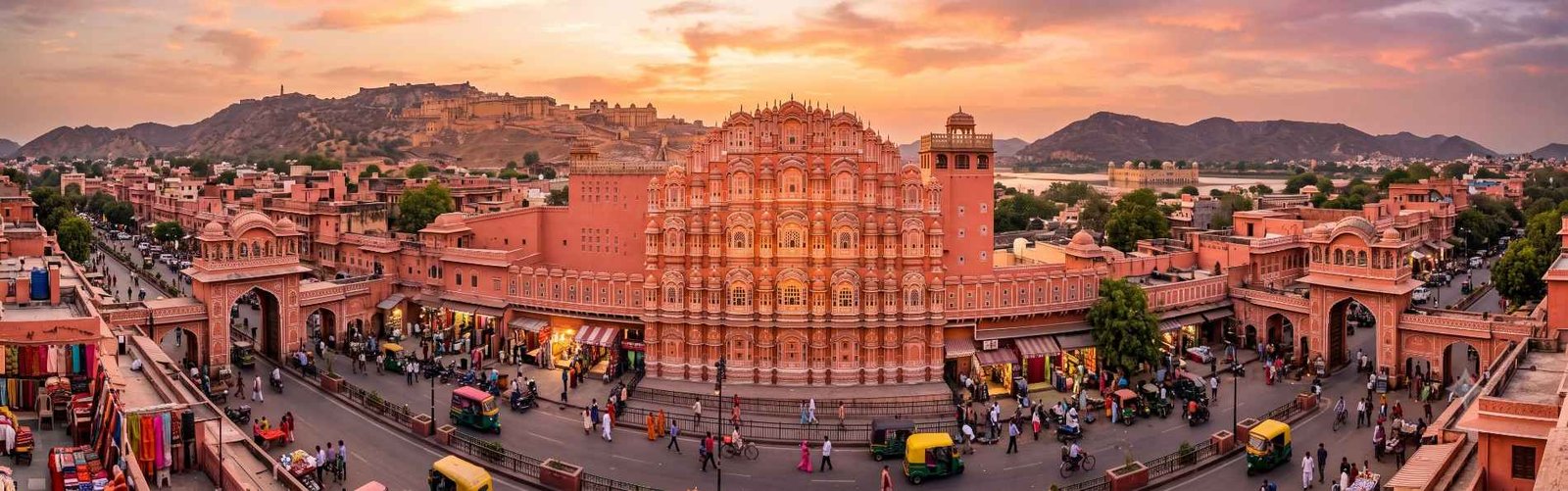
Jaipur, popularly known as the Pink City of India, is the capital of Rajasthan and one of India’s most fascinating heritage destinations. Famous for its distinctive pink-hued historic streets, magnificent forts, royal palaces, colourful bazaars and rich Rajasthani culture, Jaipur brings together centuries of history and the energy of a modern Indian city.
But why is Jaipur called the Pink City? When was Jaipur painted pink? Which places should you visit? How many days do you need in Jaipur, where should you stay, what should you eat, and how can you plan the perfect Jaipur itinerary?
This complete Jaipur Pink City travel guide covers the city’s history, famous attractions, food, shopping, accommodation, transportation, photography spots, itineraries and practical travel tips to help you plan your visit.
Table of Contents
Jaipur Pink City at a Glance
| Quick Fact | Details |
|---|---|
| City | Jaipur |
| State | Rajasthan, India |
| Nickname | The Pink City |
| Founded | 1727 |
| Founder | Maharaja Sawai Jai Singh II |
| Historic Area | Jaipur Walled City |
| Famous For | Forts, palaces, bazaars, architecture and Rajasthani culture |
| UNESCO Status | Historic Walled City of Jaipur was inscribed in 2019 |
| Ideal First Visit | 2–3 days |
Why Is Jaipur Called the Pink City?
Jaipur became famous as the Pink City after much of the historic city was painted in a distinctive pink or terracotta shade in 1876 in connection with the visit of the Prince of Wales.
The colour became an important part of Jaipur’s identity and is particularly associated with the historic walled city. Today, the pink façades, historic gates, bazaars and heritage buildings create the distinctive appearance that travellers around the world associate with Jaipur.
The story of the Pink City, however, is about much more than its colour. Jaipur’s identity also comes from its carefully planned streets, royal architecture, historic markets, forts, astronomy, crafts and living traditions.
What Is the Pink City in Jaipur?
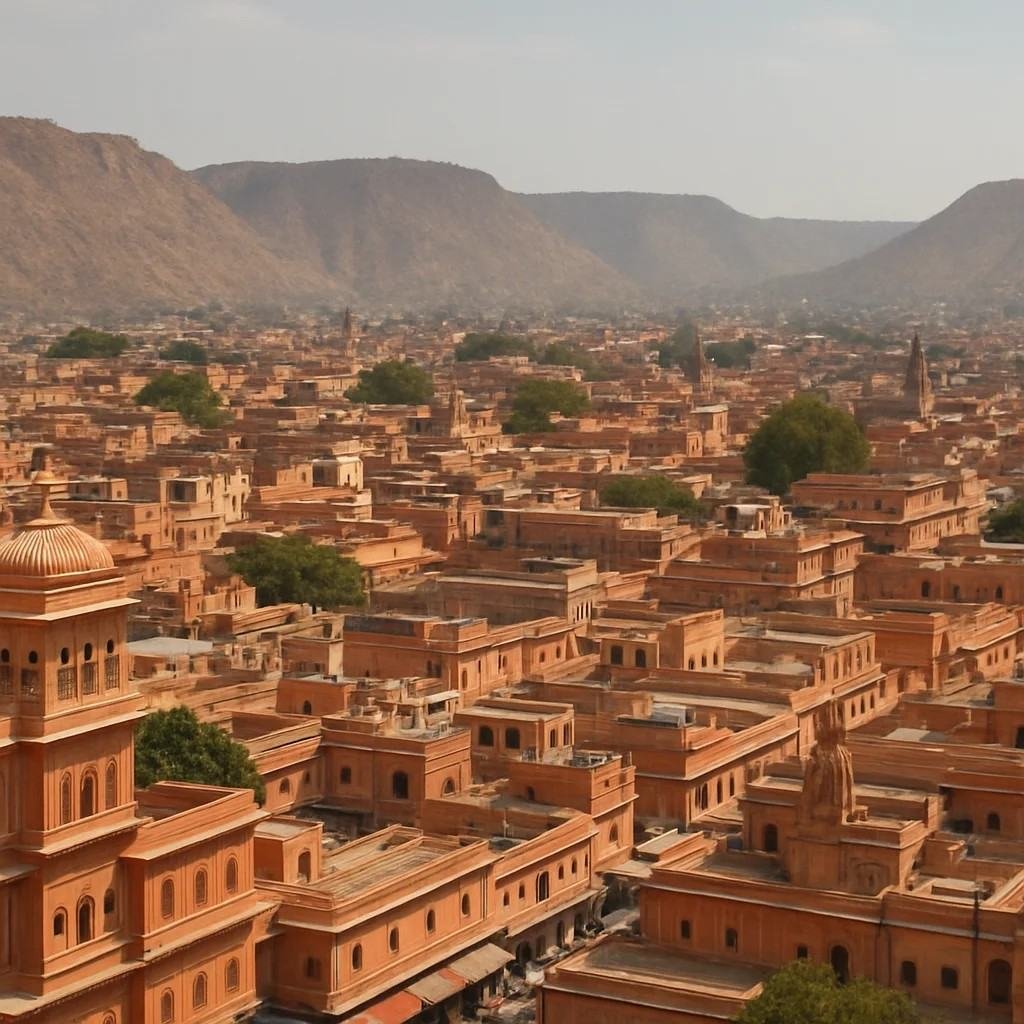
When people refer to the Pink City of India, they are generally talking about Jaipur’s historic walled city.
This is the part of Jaipur where many of the city’s best-known heritage attractions and traditional markets are located, including Hawa Mahal, City Palace, Jantar Mantar, Johari Bazaar and Bapu Bazaar.
The modern city of Jaipur extends far beyond this historic area, with contemporary neighbourhoods, hotels, restaurants, shopping centres and residential areas.
For visitors, exploring the historic walled city on foot is one of the best ways to understand why Jaipur became known as the Pink City.
The History of Jaipur Pink City
When Was Jaipur Founded?
Jaipur was founded in 1727 by Maharaja Sawai Jai Singh II, the ruler of Amber.
The city was established on the plains and was designed as a planned urban centre. Its development represented a significant change from the older hill-based capital of Amber.
Sawai Jai Singh II worked with architect and planner Vidyadhar Bhattacharya in developing the city’s organised layout.
Maharaja Sawai Jai Singh II and Jaipur’s Urban Planning
One of the most fascinating things about Jaipur is that its historic layout was deliberately planned.
The city was organised around a grid-like system, with broad streets, market areas, public squares and designated zones for different functions.
The planning was influenced by traditional Indian architectural and urban-planning principles, while also reflecting the practical requirements of a growing royal capital.
This planned structure remains one of the defining features of Jaipur’s historic walled city.
When Was Jaipur Painted Pink?
The famous pink transformation took place in 1876, when Jaipur was painted in preparation for the visit of the Prince of Wales.
The pink colour became associated with hospitality and eventually became one of the strongest visual symbols of Jaipur.
Today, the historic city continues to be recognised for its coordinated pink-toned architecture.
Is All of Jaipur Pink?
No.
Modern Jaipur is much larger than the historic walled city and contains many areas with contemporary architecture.
The term Pink City is primarily associated with the historic part of Jaipur and its characteristic heritage buildings, markets and streets.
This distinction is useful to understand before your visit because many of Jaipur’s famous attractions outside the historic core, such as Amer Fort and Nahargarh Fort, are not located within the central walled city itself.
Jaipur’s Historic Walled City and UNESCO Heritage
The historic Walled City of Jaipur was inscribed on the UNESCO World Heritage List in 2019.
Its significance comes not simply from its pink colour but from its planned urban design, historic markets, public squares, gates, religious buildings and royal architecture.
The city’s grid-based organisation and the relationship between its streets, markets and important buildings make walking through the old city an important part of the Jaipur experience.
Instead of visiting only individual monuments, take some time to explore the streets between them. This is where you can experience the combination of architecture, shopping, crafts and everyday life that makes Jaipur different from a conventional monument-focused destination.
Best Places to Visit in Jaipur Pink City
Jaipur has enough attractions to keep you busy for several days. If this is your first visit, combine the historic Pink City with the major forts, viewpoints and cultural attractions around Jaipur.
1. Hawa Mahal – The Icon of Jaipur
Hawa Mahal, or the Palace of Winds, is one of the most recognisable landmarks associated with Jaipur.
Built in 1799 during the reign of Sawai Pratap Singh, the five-storey structure is famous for its elaborate façade and numerous small windows known as jharokhas.
The design allowed members of the royal household to observe activity and processions on the streets while maintaining privacy.
Hawa Mahal is also one of the most photographed places in Jaipur. For the classic view, don’t limit yourself to the interior. The façade is best appreciated from the area directly opposite the monument.
Suggested time: 30–60 minutes
Best for: Architecture, history and photography
2. City Palace Jaipur
Located in the heart of the historic city, City Palace Jaipur is one of the most important royal complexes in the Pink City.
The palace complex contains courtyards, royal buildings, museums and architectural details connected with Jaipur’s history. Its ornate gat
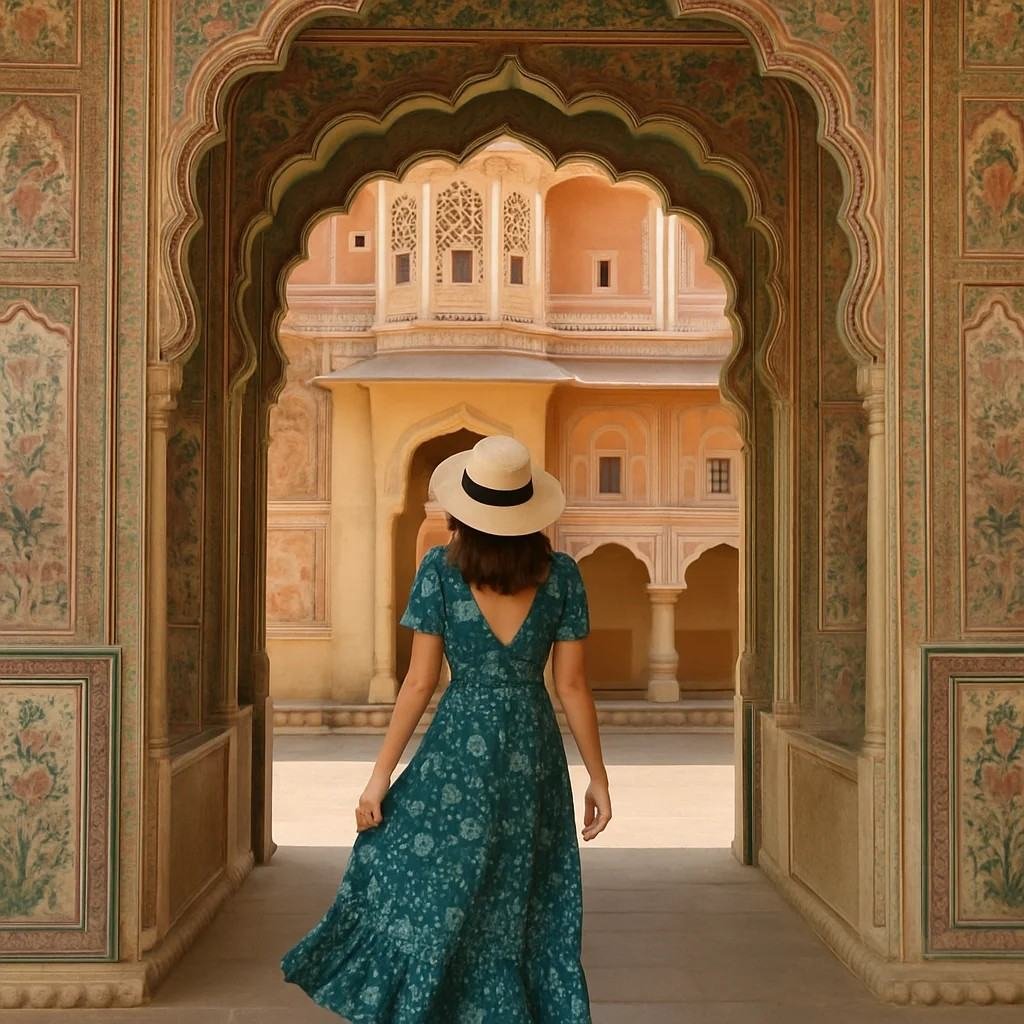
Suggested time: 1.5–2.5 hours
3. Jantar Mantar
Located close to City Palace, Jantar Mantar is a historic astronomical observatory associated with Sawai Jai Singh II.
The observatory contains large-scale astronomical instruments designed to measure time and observe celestial objects.
For first-time visitors, a guide can make the experience much more interesting by explaining how the instruments worked rather than simply viewing them as large architectural structures.
Suggested time: 45–90 minutes
Jantar Mantar is also part of Jaipur’s UNESCO heritage.
4. Amer Fort
Amer Fort, also known as Amber Fort, is one of the most important attractions around Jaipur.
Located in the Aravalli hills, the fort combines defensive architecture with grand courtyards, gateways, palaces and decorative interiors.
The fort is especially rewarding for travellers interested in Rajput history and architecture.
If you want to understand the fort in greater detail before visiting, read our complete Amer Fort Jaipur guide, which covers its history, architecture and visitor experience.
Suggested time: 2–4 hours
5. Jal Mahal – The Water Palace
Jal Mahal is one of Jaipur’s most recognisable landmarks and one of the city’s most photographed views.
The palace appears to float in the middle of Man Sagar Lake, with the surrounding Aravalli hills creating a dramatic backdrop.
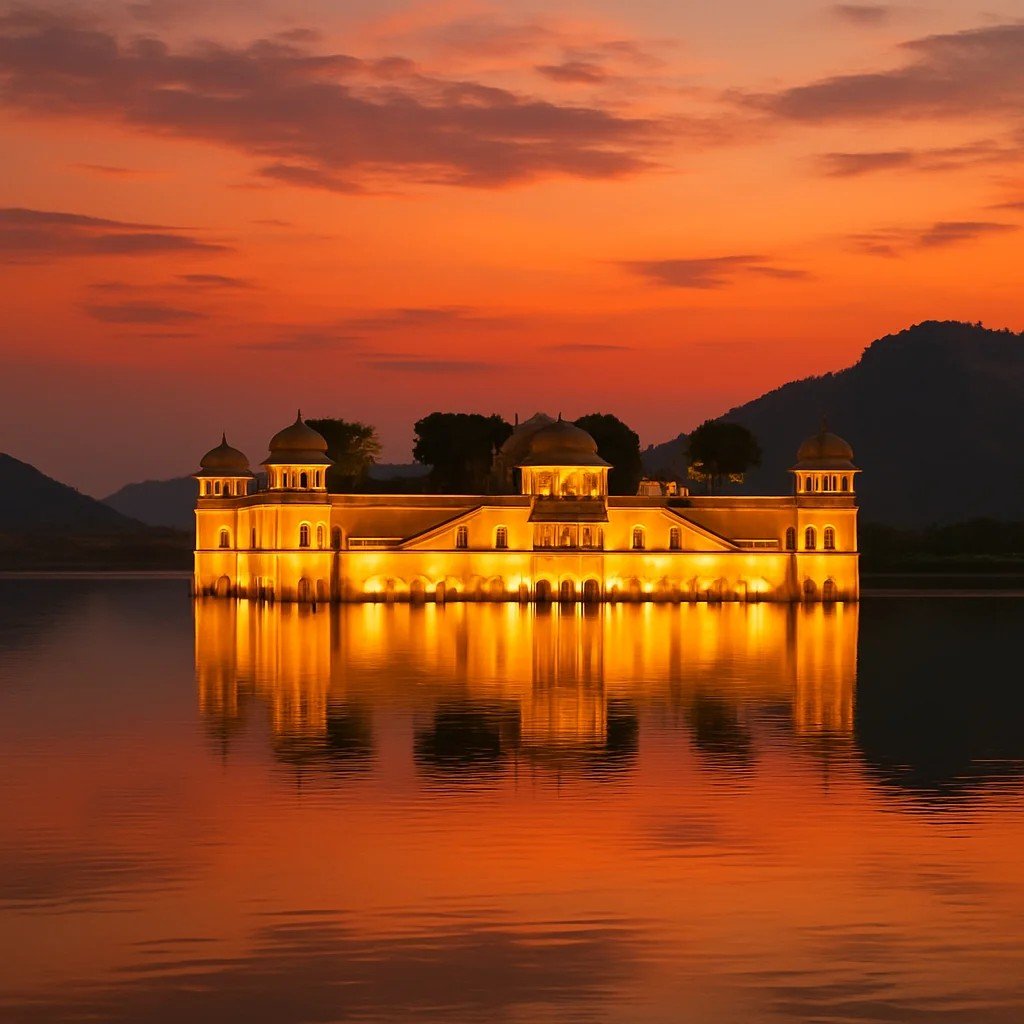
Jal Mahal works particularly well as a scenic stop when travelling between Jaipur and Amer Fort.
If you are interested in the palace’s history, location, photography opportunities and practical visitor information, continue with our detailed Jal Mahal Jaipur travel guide.
Suggested time: 20–45 minutes for the viewpoint
6. Nahargarh Fort
Located in the Aravalli hills above Jaipur, Nahargarh Fort is particularly famous for its panoramic views across the city.
The fort is a popular choice for travellers interested in photography and city views.
The elevated position also gives you a completely different perspective of Jaipur’s planned urban landscape.
Best for: Sunset views, photography and panoramic cityscapes
7. Jaigarh Fort
Jaigarh Fort is another important hilltop fort near Amer.
Unlike the more palace-focused experience of some Jaipur attractions, Jaigarh offers a stronger connection with the city’s military and defensive history.
It can be combined with Amer Fort as part of a full day exploring Jaipur’s hill forts.
8. Albert Hall Museum
Located in Ram Niwas Garden, the Albert Hall Museum is a good choice for travellers interested in art, history, decorative objects and Rajasthan’s cultural heritage.
It can easily be combined with sightseeing in central Jaipur.
9. Panna Meena ka Kund
Located near Amer Fort, Panna Meena ka Kund is a historic stepwell known for its geometric staircase design.
It is a convenient short stop when visiting the Amer area and can be combined with Amer Fort and other nearby attractions.
Best Things to Do in Jaipur Pink City
Jaipur is more than a list of monuments. Some of the most memorable experiences come from combining sightseeing with food, shopping, architecture and local culture.
Here are some of the best things to do:
- Walk through the historic Pink City.
- Photograph Hawa Mahal.
- Explore City Palace.
- Visit Jantar Mantar.
- Spend time at Amer Fort.
- Stop at Jal Mahal.
- Watch the sunset from Nahargarh Fort.
- Explore Johari Bazaar.
- Shop in Bapu Bazaar.
- Try traditional Rajasthani cuisine.
- Explore Jaipur’s handicrafts and textiles.
- Take a heritage walk through the old city.
- Enjoy a rooftop meal overlooking the historic city.
Jaipur Pink City Map and Main Attractions
Understanding Jaipur’s geography can make your itinerary much easier.
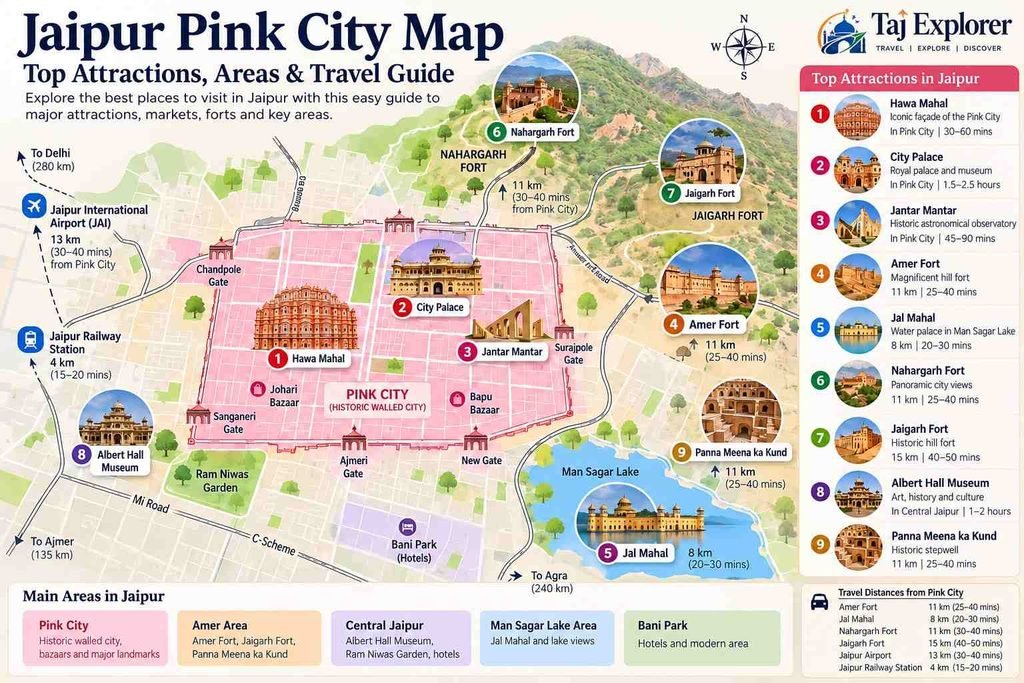
The map highlights the historic Pink City, major forts, Jal Mahal, central Jaipur, important markets and key travel points.
Main Areas of Jaipur
| Area | Main Attractions |
|---|---|
| Historic Pink City | Hawa Mahal, City Palace, Jantar Mantar, Johari Bazaar, Bapu Bazaar |
| Central Jaipur | Albert Hall Museum, Ram Niwas Garden, restaurants and shopping |
| Amer Area | Amer Fort, Panna Meena ka Kund, Jaigarh Fort |
| Man Sagar Lake | Jal Mahal |
| Aravalli Hills | Nahargarh Fort and viewpoints |
| Bani Park | Hotels, restaurants and convenient access to central Jaipur |
| C-Scheme | Modern restaurants, cafés and shopping |
Travel tip: Group nearby attractions together rather than travelling back and forth across Jaipur. For example, you can combine Amer Fort, Panna Meena ka Kund and Jaigarh Fort, while Hawa Mahal, City Palace and Jantar Mantar work well together in the historic city.
How Many Days Do You Need in Jaipur?
One Day in Jaipur
One day is enough to see the major highlights, but it will be a busy schedule.
Prioritise:
- Hawa Mahal
- City Palace
- Jantar Mantar
- Amer Fort
- Jal Mahal
Two Days in Jaipur
Two days is a better option for first-time visitors.
Day 1: Hawa Mahal, City Palace, Jantar Mantar, Pink City markets and food.
Day 2: Amer Fort, Panna Meena ka Kund, Jaigarh Fort, Jal Mahal and Nahargarh Fort.
Three Days in Jaipur
Three days allows you to slow down and include shopping, food, museums, photography and more relaxed exploration of the historic city.
For most first-time visitors, 2–3 days offers a good balance between major attractions and local experiences.
Perfect 3-Day Jaipur Pink City Itinerary
Day 1 – Explore the Historic Pink City
Morning: Start with Hawa Mahal and continue towards City Palace.
Late morning: Explore Jantar Mantar.
Afternoon: Have lunch and explore the historic bazaars.
Evening: Visit Johari Bazaar or enjoy a rooftop dinner overlooking the Pink City.
If you want to extend your trip beyond Jaipur, you can combine the city with Agra and Delhi as part of a Golden Triangle India itinerary.
Day 2 – Amer Fort and Jaipur’s Hill Forts
Morning: Start early for Amer Fort.
Late morning: Visit Panna Meena ka Kund.
Afternoon: Continue towards Jaigarh Fort.
Evening: Stop at Jal Mahal and, depending on your schedule, continue towards Nahargarh for city views.
A Jal Mahal stop fits naturally into this route because the Water Palace is located along the route between central Jaipur and the Amer area. For more details, see our Jal Mahal Jaipur guide.
Day 3 – Culture, Food and Shopping
Morning: Visit Albert Hall Museum or explore another cultural attraction.
Afternoon: Shop for Jaipur handicrafts, textiles, jewellery and blue pottery.
Evening: Enjoy traditional Rajasthani food or a local food experience.
If you’re planning to visit Jaipur as part of a Delhi–Agra–Jaipur trip, our Golden Triangle itinerary for first-time visitors can help you plan the wider journey.
Best Time to Visit Jaipur Pink City
For most sightseeing-focused travellers, October to March is generally the most comfortable period for exploring Jaipur’s forts, palaces and outdoor attractions.
| Season | What to Expect |
|---|---|
| October–November | Pleasant sightseeing conditions and comfortable evenings |
| December–February | Cooler mornings and evenings |
| March–April | Increasingly warm; early starts are useful |
| May–June | Very hot; outdoor sightseeing is best planned early |
| July–September | Monsoon conditions and greener surroundings |
If you’re planning a wider Rajasthan trip, our best time to visit Rajasthan month-by-month guide can help you compare seasons across the state.
How to Reach Jaipur
By Air
Jaipur International Airport connects the city with major destinations in India and selected international destinations.
By Train
Jaipur is an important railway hub with connections to Delhi, Agra and several other major Indian cities.
By Road
Jaipur is well connected by road with Delhi, Agra and other destinations across Rajasthan.
Delhi to Jaipur
Delhi and Jaipur are frequently combined in travel itineraries. Depending on your schedule, you can travel between the two cities by train, road or air.
A Jaipur visit from Delhi can be planned as a day trip, an overnight trip or as part of a longer Rajasthan journey.
If you’re planning the complete Delhi–Agra–Jaipur circuit, compare your options with our best Golden Triangle itinerary for first-time visitors.
Where to Stay in Jaipur
Choosing the right area can make a major difference to your Jaipur experience.
Historic Pink City
Best for travellers who want to stay close to the old city’s historic streets, markets and major landmarks.
Bani Park
A convenient option for travellers looking for a balance between accommodation choices and sightseeing access.
C-Scheme
A good option for travellers who prefer modern restaurants, cafés and a contemporary city atmosphere.
MI Road
A central location with convenient access to shopping, restaurants and transport.
Heritage Hotels
For a more traditional Rajasthan experience, Jaipur’s heritage properties offer historic architecture, courtyards and a royal atmosphere.
Shopping in Jaipur Pink City
No Jaipur travel guide is complete without exploring the city’s colourful markets.
Jaipur is known for its colourful textiles, traditional crafts, decorative arts, jewellery and handmade products. Exploring the city’s historic bazaars is an opportunity to see the craftsmanship and design traditions associated with Rajasthan.
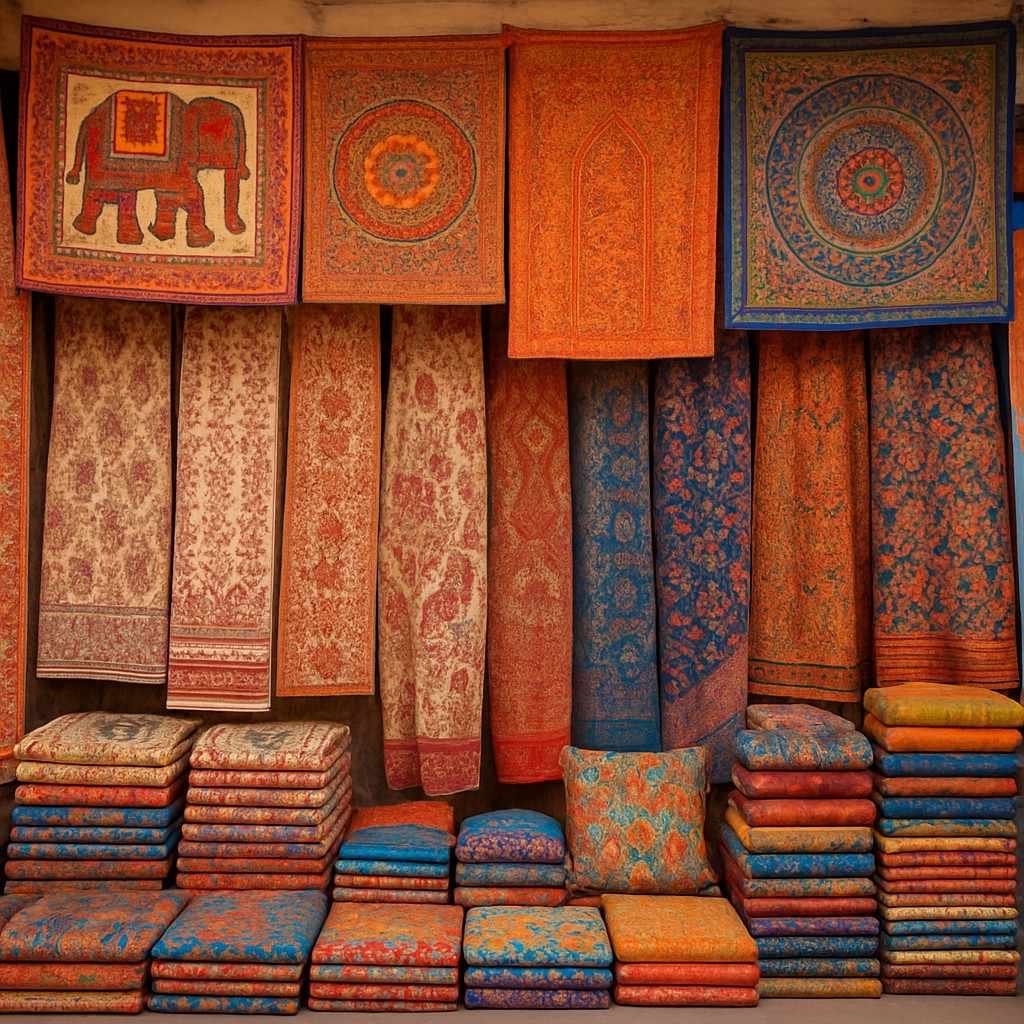
Johari Bazaar
Johari Bazaar is particularly associated with jewellery, gemstones and traditional shopping.
Visitors interested in traditional Rajasthani jewellery can find Kundan and Meenakari-inspired designs alongside contemporary pieces.
Bapu Bazaar
Bapu Bazaar is popular for textiles, handicrafts, souvenirs, traditional footwear and other colourful Jaipur products.
Tripolia Bazaar
Tripolia Bazaar is known for traditional shopping, including lac bangles and handicrafts.
Chandpole Bazaar
Chandpole is another historic market area where visitors can browse traditional products and handicrafts.
What to Buy in Jaipur
Some popular Jaipur souvenirs and handicrafts include:
- Jaipur blue pottery
- Block-printed textiles
- Bandhani fabrics
- Traditional jewellery
- Lac bangles
- Jaipuri quilts
- Traditional juttis and mojaris
- Rajasthani handicrafts
- Decorative homeware
When buying higher-value jewellery or handicrafts, compare prices carefully and ask about materials and authenticity.
If you’re looking for more ideas for authentic Indian souvenirs, explore our guide to the best gifts and souvenirs from India.
What to Eat in Jaipur Pink City
Rajasthani cuisine is an important part of the Jaipur experience.
The region’s traditional food has developed around local ingredients and the climate of Rajasthan, resulting in dishes that are rich, flavourful and often generously spiced.
Must-Try Jaipur Foods
Pyaaz Kachori
A crispy pastry filled with a spicy onion mixture and commonly enjoyed as a breakfast or snack.
Dal Baati Churma
One of Rajasthan’s best-known traditional meals, combining baked wheat baati with dal and sweet churma.
Ghewar
A traditional Rajasthani sweet especially associated with festivals and celebrations.
Mirchi Bada
A popular spicy snack made using large chillies coated and fried in a gram-flour batter.
Laal Maas
A traditional Rajasthani meat preparation known for its rich flavour and chilli-based preparation.
Ker Sangri
A traditional Rajasthani preparation made from desert-region ingredients.
Mawa Kachori
A sweet variation of the traditional kachori.
If food is an important part of your Jaipur trip, you can continue your research with our guide to the best restaurants in Jaipur.
Best Things to Photograph in Jaipur
Jaipur is one of India’s most rewarding cities for travel photography.
Hawa Mahal
The iconic façade is one of the city’s essential photography subjects.
Pink City Streets
The historic streets, gateways, bazaars and pink façades provide excellent opportunities for architectural and street photography.
Jal Mahal
The palace and Man Sagar Lake create one of Jaipur’s most recognisable compositions, particularly around golden hour.
For more detailed information about the palace, viewpoint and photography opportunities, read our Jal Mahal Jaipur travel guide.
Nahargarh Fort
Nahargarh provides a panoramic perspective across Jaipur and is especially popular around sunset.
Amer Fort
The courtyards, gateways, decorative architecture and hilltop setting offer many different photography opportunities.
If you’re particularly interested in Amer’s architecture and history, our Amer Fort Jaipur guide provides additional information before your visit.
Practical Jaipur Travel Tips
- Start outdoor sightseeing early during warmer months.
- Wear comfortable shoes because forts and historic attractions involve considerable walking.
- Carry drinking water during full sightseeing days.
- Group nearby attractions together to reduce travel time.
- Keep some flexible time for Jaipur’s markets.
- Check current monument timings and ticket information before visiting.
- Respect photography restrictions inside museums, palaces and religious sites.
- Consider hiring a knowledgeable local guide if you want deeper historical context.
- Keep some cash available for smaller market purchases.
- During summer, avoid planning strenuous outdoor sightseeing in the hottest part of the afternoon.
- Allow extra time for traffic when travelling between central Jaipur and the hill forts.
Jaipur Pink City for First-Time Visitors
If this is your first trip to Jaipur, don’t try to see every attraction in a single day.
Instead, divide your trip into different experiences:
Heritage: City Palace, Hawa Mahal and Jantar Mantar
Royal Rajasthan: Amer Fort and Jaigarh Fort
Views: Nahargarh Fort and Jal Mahal
Shopping: Johari Bazaar and Bapu Bazaar
Food: Rajasthani cuisine and traditional sweets
Culture: Crafts, architecture and local markets
This approach gives you a better understanding of Jaipur rather than simply collecting photographs of individual monuments.
Jaipur as Part of India’s Golden Triangle
Jaipur is one of the three major destinations of India’s Golden Triangle, together with Delhi and Agra.
A typical route is:
Delhi → Agra → Jaipur → Delhi
The route can also be travelled in the opposite direction depending on your arrival and departure plans.
Jaipur adds a very different character to the journey, with Rajput architecture, hill forts, colourful bazaars and Rajasthani cuisine complementing Delhi’s urban heritage and Agra’s Mughal monuments.
If you’re planning the complete circuit, start with our Golden Triangle India travel guide and then use our Golden Triangle itinerary for first-time visitors to structure your trip.
Jaipur Tour Options
The right Jaipur experience depends on how much time you have.
Travellers coming from Delhi may prefer a same-day private Jaipur experience, while those exploring Rajasthan can benefit from an overnight or multi-day itinerary.
For travellers who want transportation, sightseeing and itinerary planning handled together, explore Taj Explorer’s India tour packages.
Is Jaipur Worth Visiting?
Jaipur offers a combination that is difficult to find in one city: a carefully planned historic core, monumental forts, royal palaces, colourful markets, distinctive architecture and a strong food and craft culture.
The real appeal of the Pink City is not simply the colour of its buildings. It is the relationship between the historic city plan, architecture, markets, crafts, food and everyday life.
Give yourself enough time to experience Jaipur rather than simply ticking off its most famous monuments.
Frequently Asked Questions About Jaipur Pink City
Why is Jaipur called the Pink City?
Jaipur became known as the Pink City after the historic city was painted pink in 1876 in connection with the visit of the Prince of Wales. The colour became a defining part of Jaipur’s identity.
When was Jaipur founded?
Jaipur was founded in 1727 by Maharaja Sawai Jai Singh II, the ruler of Amber.
Who designed Jaipur?
The city’s planned layout is associated with architect and planner Vidyadhar Bhattacharya, who worked with Sawai Jai Singh II.
Which part of Jaipur is the Pink City?
The term mainly refers to Jaipur’s historic walled city, where the characteristic pink façades, historic bazaars, gates and heritage buildings are concentrated.
How many days are enough for Jaipur?
One day covers the major highlights, but two to three days gives first-time visitors more time for forts, palaces, markets, food and local experiences.
What are the best places to visit in Jaipur?
Major attractions include Hawa Mahal, City Palace, Jantar Mantar, Amer Fort, Jal Mahal, Nahargarh Fort, Jaigarh Fort and Albert Hall Museum.
What is the best time to visit Jaipur?
October to March is generally the most comfortable period for sightseeing, although Jaipur can be visited throughout the year with appropriate planning.
What should I buy in Jaipur?
Popular purchases include blue pottery, block-printed textiles, jewellery, lac bangles, traditional footwear, handicrafts and Jaipuri quilts.
Is Jaipur part of the Golden Triangle?
Yes. Jaipur is one of the three main destinations of India’s Golden Triangle, along with Delhi and Agra.
Is Jal Mahal worth visiting?
Jal Mahal is a popular scenic and photography stop because of its distinctive location in Man Sagar Lake.
If you want to learn more about its history, location and photography opportunities, read the Jal Mahal Jaipur travel guide.
Can Jaipur be visited from Delhi in one day?
Yes. Jaipur can be visited as a long day trip from Delhi, although an overnight stay allows a more relaxed experience and gives you more time for the city’s forts, markets and evening atmosphere
Final Thoughts: Experience the Real Jaipur Pink City
Jaipur Pink City is much more than a famous nickname. It represents a historic city shaped by royal ambition, careful urban planning, architecture, craftsmanship, food and hospitality.
From the honeycomb façade of Hawa Mahal and the royal courtyards of City Palace to the hilltop grandeur of Amer Fort, the reflections of Jal Mahal and the panoramic views from Nahargarh, Jaipur offers something different at almost every turn.
If you have only one day, focus on the highlights. If you have two or three days, slow down and explore the markets, food and historic streets as well.
And if you’re combining Jaipur with Delhi and Agra, make it part of a thoughtfully planned Golden Triangle India itinerary rather than treating the city as a quick stop.
For travellers looking to combine sightseeing, transportation and accommodation into a complete journey, explore Taj Explorer’s India tour packages.
Ready to explore Jaipur? Start planning your Jaipur journey and discover the history, architecture, food and experiences that make the Pink City one of India’s most memorable destinations.