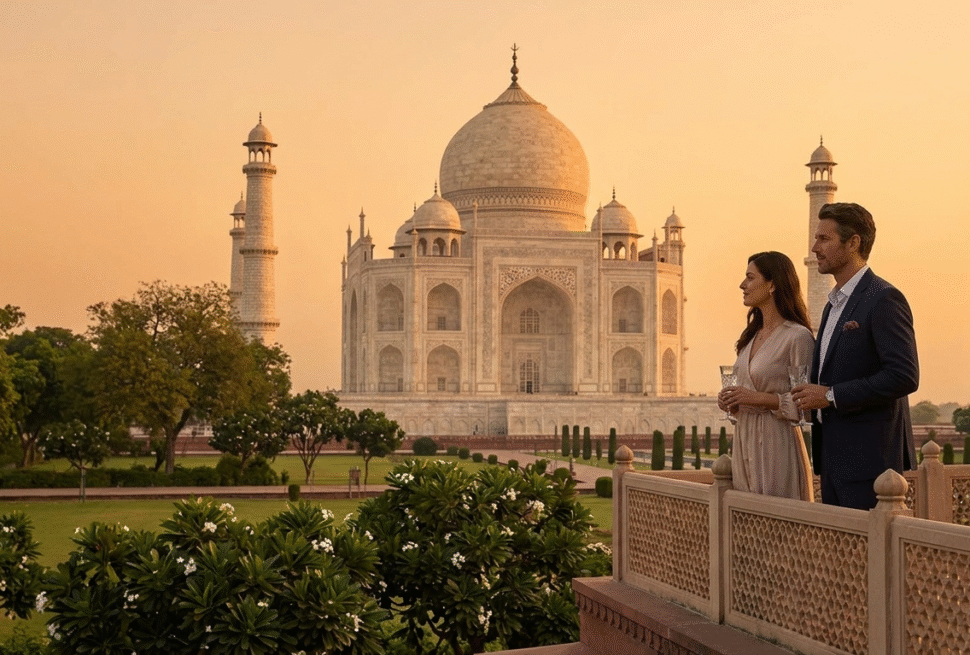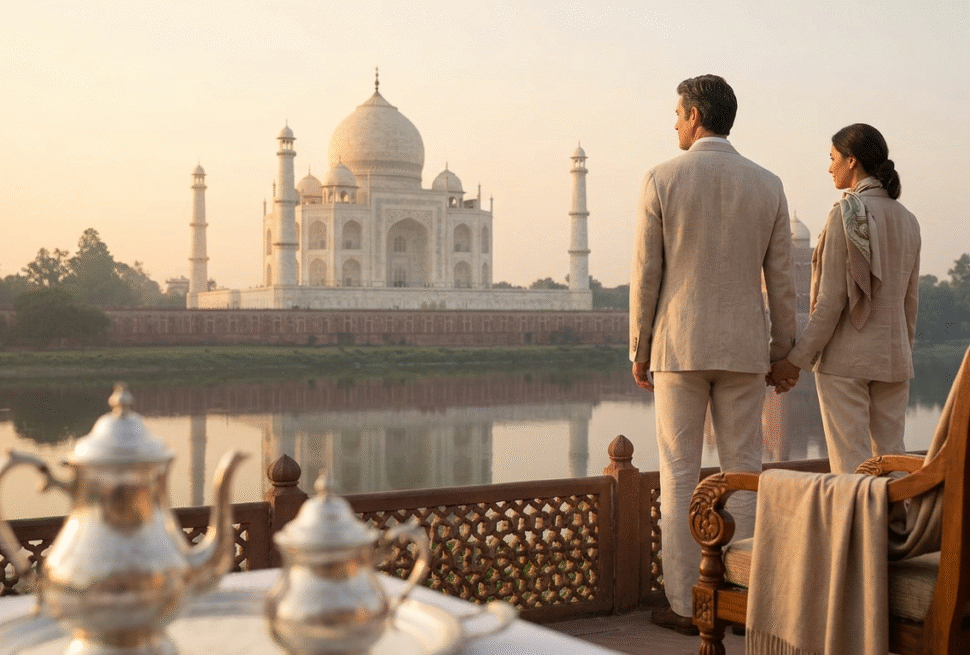
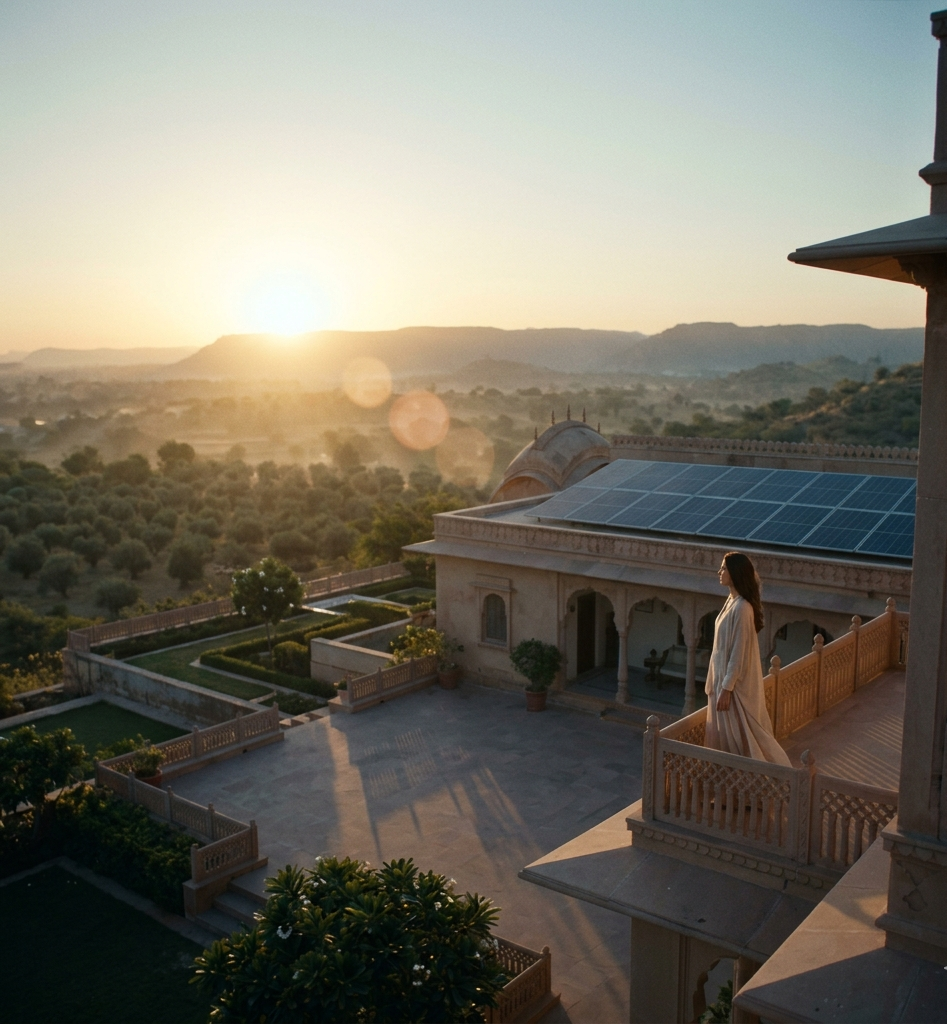
The landscape of luxury travel in India is undergoing a profound structural transformation as it moves into the 2026 travel season. For the modern premium traveler, the traditional metrics of luxury—opulence and ostentation—are being replaced by a philosophy defined as “Silent Majesty”. This high-end form of exploration is characterized by privacy, historical depth, and a meaningful cultural immersion that resonates on a visceral level. In this new era, travel is no longer viewed as a simple escape from real life, but rather as an expression of self and a way to feel more deeply connected to the world’s enduring narratives.
As disposable incomes rise and the affluent class expands, the Indian luxury travel market is projected to reach an impressive USD 106.5 billion by 2034. This surge is driven by a distinct shift from standard sightseeing packages to highly personalized, experience-first journeys. Today’s discerning travelers prioritize time efficiency and emotional connections over standard five-star amenities. They seek the “ink and the parchment” to write their own unique stories, whether standing in silent awe before the Taj Mahal at dawn or retreating to a private, solar-powered palace in the heart of Rajasthan.
Taj Explorer stands at the forefront of this evolution, positioning itself not merely as a tour operator but as a heritage expert dedicated to the art of “Slow Travel”. By removing the logistical friction that often accompanies international travel—from managing E-Visa requirements to providing climate-controlled private transfers—the brand ensures that the journey itself is as enjoyable as the destination. This guide provides an exhaustive analysis of the premium travel experience in India, focusing on the pillars of heritage, the emerging trends of 2026, and the meticulous curation required to deliver a truly world-class journey.
The Evolution of the Luxury Traveler: Trends Shaping 2026
The year 2026 marks a turning point where travel becomes personal rather than collective. Data indicates that travelers are now curating trips built around passions, priorities, and a personal sense of “worth it”. This shift is giving rise to several niche categories that are redefining the premium sector in India and globally.
| Trend Category | Core Characteristics | Demographic Insight |
| Noctourism | Night-focused travel (safaris, after-dark museum tours) to avoid heat and crowds. | 62% of global travelers are considering nighttime itineraries. |
| Glowmads | Travel shaped by beauty rituals and high-end wellness routines. | Over 50% of premium travelers integrate beauty activities into trips. |
| Calmcations | Low-energy retreats focused on “doing almost nothing” to restore mental clarity. | 70% of travelers actively seek relaxation-focused destinations. |
| Family Miles | Multi-generational journeys designed to create lasting family memories. | 41% of Indian travelers will prioritize family-centric travel. |
| Scientific Wellness | Bio-individual wellness programs including Ayurveda and DNA-based nutrition. | High-net-worth individuals seeking complete restoration. |
This evolution suggests that luxury travel India is no longer just about the destination, but about the “moods and meaning” created during the passage. Travelers are increasingly drawn to “destination hotels”—accommodations that are the main event rather than just a place to sleep. Furthermore, the concept of “Radical Transparency” has emerged as a status symbol, where truly prestigious properties embed sustainability, plastic-free operations, and local artisan partnerships into the luxury experience.
Taj Explorer: Redefining the Art of Heritage Journeys
In a market saturated with generic offerings,(https://tajexplorer.com/) has carved a niche by focusing on North Indian heritage with an emphasis on “Silent Majesty”. The brand’s uniqueness lies in its commitment to Slow Travel, where the transit is handled with such professional care that it feels like a seamless extension of the heritage experience. By focusing on cultural storytelling as a primary differentiator, Taj Explorer connects guests to the royal charm and Mughal history of the subcontinent in a way that standard hospitality cannot match.
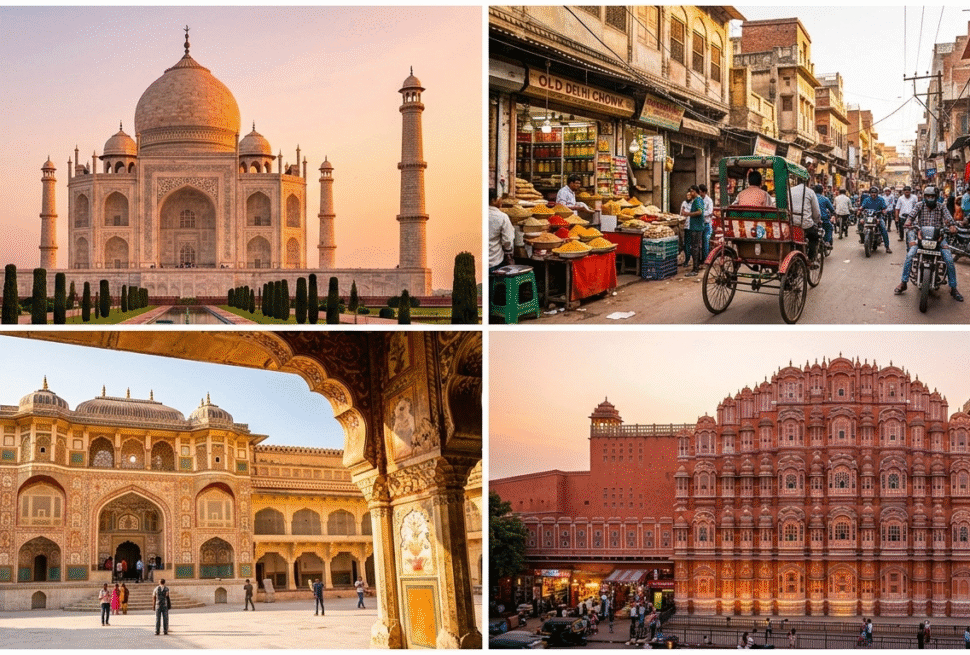
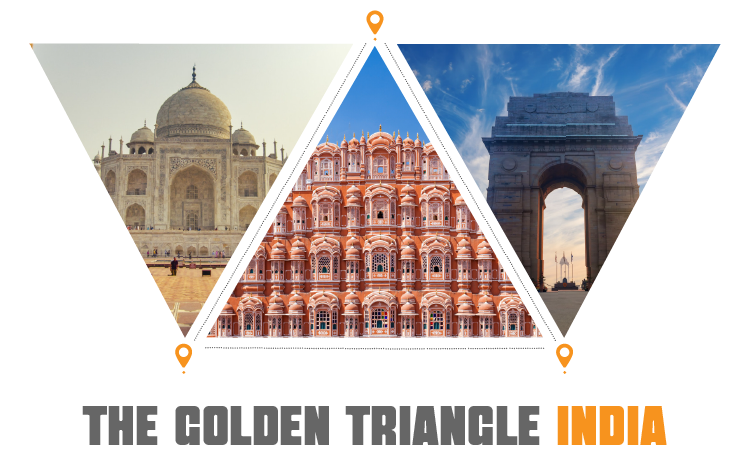
The brand’s expertise is anchored in the iconic “Golden Triangle”—the circuit connecting Delhi, Agra, and Jaipur—but extends into the spiritual heart of Varanasi and the alpine escapes of Himachal. Every itinerary is 100% bespoke, ensuring that the traveler’s personal lifestyle and interests are reflected in every stop. This philosophy was extensively detailed in the brand’s previous analysis of luxury travel India 7 remarkable heritage journeys, which highlights how hyper-personalization removes the stressors of travel, allowing for a visceral connection to the past.
Service quality at Taj Explorer is maintained through a strict screening process for destinations and professional staff. Travelers have real-time access to heritage specialists via WhatsApp, ensuring that expert human guidance is available throughout the planning and execution phases. This commitment to excellence has resulted in a consistent 5/5 review rating from a global client base, with travelers from the USA and Europe praising the “organized” and “professional service with a personal touch”.
Delhi: The Heartbeat of a Nation and Architectural Foundation
Delhi serves as the primary gateway for international luxury arrivals, often recognized under its administrative title, Delhi NCT. However, for the premium heritage traveler, the city is a layered chronicle of dynasties, from the early Delhi Sultanate to the height of Mughal architectural sophistication. Exploring Delhi through private tours allows guests to witness the evolution of India’s capital without the distractions of the modern metropolis.
Qutub Minar: A Tower of Victory and Synthesis
The Qutub Minar complex, located at the southern fringe of New Delhi, is an outstanding testimony to the architectural achievements of Islamic rulers in the 12th and 13th centuries. Standing at 72.5 meters (238 feet), it is the tallest masonry tower in India and was built as a “victory tower” to commemorate the defeat of the last Hindu kingdom in Delhi. The tower’s design is a marvel of early Indo-Islamic synthesis, featuring alternating angular and rounded flutings that taper elegantly from a base diameter of 14.32 meters to just 2.75 meters at the peak.
The tower is constructed primarily of red and buff sandstone and is eloquently carved with inscriptional bands. Interestingly, the construction involved Hindu laborers and craftsmen working under the guidance of Muslim architects, leading to a unique cultural amalgamation. This is visible in the Quwwatu’l-Islam Mosque within the complex, which was built using materials repurposed from 27 demolished Hindu and Jain temples. An iron pillar in the courtyard, dating back to the 4th century A.D., further adds to the complex’s intrigue, representing the metallurgical brilliance of ancient India.
Humayun’s Tomb: The First Garden-Tomb of the Subcontinent
Humayun’s Tomb, built in 1570, represents a pivotal moment in the evolution of Mughal architecture. It was the first garden-tomb on the Indian subcontinent and introduced the “Charbagh” layout—a four-part garden that symbolizes the paradise of the Quran. This UNESCO World Heritage site is critically important as it served as the primary architectural inspiration for the Taj Mahal.
For the luxury traveler, Humayun’s Tomb offers an experience in “Silent Majesty”. The symmetrical gardens provide a serene refuge from the city’s kinetic pace, and a private guided tour can reveal the intricate details of the high double dome and the grand alcoves known as pishtaqs. The tomb was respected throughout history, retaining its original form through centuries, which allows modern visitors to experience a visceral connection to the 16th-century Mughal court.
Old Delhi: A Sensory Immersion in Shahjahanabad
Beyond the monuments, the soul of Delhi resides in the narrow lanes of Old Delhi, or Shahjahanabad. A premium experience here involves a sensory journey via a traditional rickshaw ride through Chandni Chowk, visiting the historic Jama Masjid, which remains one of the largest mosques in India. This area offers a stark contrast to the colonial elegance of New Delhi, characterized by landmarks like India Gate and the Rashtrapati Bhavan, providing a balanced perspective on the city’s complex history.
Agra: The Epitome of Mughal Sophistication
Agra rose to prominence as the capital of the Mughal Empire and remains the undisputed epicenter of luxury travel in India. The city is a repository of Mughal sophistication, where every monument tells a story of love, power, and artistic perfection. For the discerning traveler, the highlight of any Agra tour package is the opportunity to witness the world’s most iconic landmark in total privacy.
The Taj Mahal: Standing in Silent Awe at Dawn
The Taj Mahal is an ivory-white marble mausoleum commissioned in 1631 by Emperor Shah Jahan to house the tomb of his favorite wife, Mumtaz Mahal. While it attracts millions of visitors annually, the(https://tajexplorer.com/trip/taj-mahal-sunrise-tour/) is the preferred choice for premium travelers seeking a calm and personal encounter. As the sun begins to rise, the white marble acts as a canvas, radiating colors that transition from ghostly lavender to soft pink and finally to a warm, glowing golden hue.
| Time of Day | Aesthetic Transformation of the Taj Mahal | Spiritual and Practical Benefit |
| Pre-Dawn | Ghostly white silhouette against a dark blue sky. | Total silence; a rare moment of contemplation. |
| Sunrise | Soft pink and lavender hues appearing on the dome. | Optimal lighting for photography; cool morning air. |
| Golden Hour | The marble radiates a warm, golden, ethereal glow. | Minimal crowds; a sense of personal exclusivity. |
| Full Daylight | Brilliant, bright white marble reflecting the high sun. | High clarity for viewing the Pietra Dura inlay work. |
The architectural brilliance of the Taj Mahal is found in its “Pietra Dura” or Parchin Kari—the meticulous craft of inlaying semi-precious stones like lapis lazuli and jade into floral patterns. Artisans in the nearby Taj Gunj area are direct descendants of the original 20,000 workers who built the monument, and premium tours often include exclusive access to their workshops to witness the technical preservation of this ancient art.
Agra Fort and the Sheesh Mahal
The Agra Fort, a massive red sandstone fortress, served as the imperial city for the Mughal rulers before the capital was moved to Delhi. Within its 2.5-kilometer walls lie exquisite structures like the Diwan-i-Khas and the Khas Mahal. The most evocative area for the luxury traveler is the Sheesh Mahal (Mirror Palace), where candlelight reflects off thousands of tiny mirrors to create a celestial, flickering jewel-box effect. A private historian-led tour through the fort provides a deep dive into the lives of the emperors, specifically the poignant period when Shah Jahan was imprisoned here, spending his final days looking across the river at his creation.
Baby Taj and Sunset Views from Mehtab Bagh
Often overshadowed by its larger counterpart, the tomb of Itmad-ud-Daulah, or the “Baby Taj,” is a hidden treasure admired for its delicate marble craftsmanship. It represents the transitional phase between red sandstone and white marble in Mughal history. To conclude the Agra experience, premium travelers often visit Mehtab Bagh, the “Moonlight Garden,” located across the Yamuna River. This offers a unique perspective of the Taj Mahal at sunset, providing a romantic and peaceful alternative to the crowded main complex.
Jaipur: The Pink City of Royalty and Rajputana Charm
Jaipur, the capital of Rajasthan, offers a distinct aesthetic of terracotta-colored buildings and regal “Pink City” charm. As a hub for overnight Jaipur tours, Jaipur combines the rugged strength of hilltop forts with the opulent refinement of city palaces and historic bazaars.
Amber Fort: The Hilltop Marvel
The Amber Fort (Amer Fort), located on a hill 11 kilometers from the main city, is the principal tourist attraction in Jaipur. Built in the late 16th century by Raja Man Singh I, the fort is a masterpiece of architectural brilliance, showcasing a fascinating blend of Rajput and Mughal styles. The rugged exterior walls contrast with the graceful, ornate gardens and carvings inside.
The fort is divided into four main sections, each with its own courtyard. The Ganesh Pol gateway, featuring vibrant frescoes and murals of the elephant-headed god, stands as a symbol of protection and prosperity. Within the fort, the Sheesh Mahal (Palace of Mirrors) is perhaps the most famous attraction; its convex mirrors were designed to catch flickering candlelight, keeping the palace warm during winter while creating a dazzling visual spectacle. For a truly royal experience, many travelers choose to ascend the fort on elephant back, a tradition that mirrors the victory parades of the 16th-century Rajput Maharajas.
City Palace and Jantar Mantar: The Intellectual Heart of Jaipur
The City Palace remains a living residence of the royal family, offering a curated narrative of Jaipur’s princely history through its museums and public halls. Nearby, the Jantar Mantar is an 18th-century astronomical observatory that features the world’s largest stone sundial. For the premium traveler, these sites are best explored with a private guide who can explain the mathematical precision and cultural significance of these scientific wonders.
The Art of Luxury Shopping in the Bazaars
Jaipur is globally recognized as the source for high-end gemstone jewelry and traditional textiles. The city’s bazaars are not merely markets; they are the heartbeat of Rajasthan’s artistry.
| Bazaar Name | Specialty | High-End Product Insight |
| Johari Bazaar | Jewelry and Gemstones. | Best for Kundan and Meenakari work; always request a lab certificate. |
| Bapu Bazaar | Textiles and Leathers. | Home to Bandhani (tie-dye) and block-printed fabrics; famous for Mojaris (footwear). |
| Tripolia Bazaar | Traditional Bangles. | Renowned for traditional lac bangles and high-quality brass utensils. |
| MI Road | Upscale Boutiques. | Features government emporiums and modern shops with fixed prices and A/C comfort. |
For those seeking exclusive décor, the PDKF Store at the City Palace and Saurashtra Impex offer eclectic ranges of fabrics and rugs that cater to contemporary tastes while using traditional techniques. A visit to a block-print workshop in the outskirts like Sanganer allows travelers to witness the hand-stamped heritage firsthand, ensuring that their purchases support the technical and historical preservation of local craftsmanship.
The Golden Triangle: A Foundation for Deeper Exploration
The(https://tajexplorer.com/Tour-Packages/golden-triangle-tour-packages/) is the most iconic travel circuit in India, but for the premium traveler, it often serves as the starting point for more profound explorations into the country’s diverse natural and spiritual landscapes.
Extensions to the Spiritual Heart: Varanasi and Rishikesh
Many travelers choose to extend their(https://tajexplorer.com/trip/golden-triangle-tour-with-varanasi/) to experience “Devotion at Dawn”. This includes sunrise boat tours on the Ganges and witnessing the evening Ganga Aarti ceremony, a spiritually uplifting experience that blends light, music, and devotion.
For those seeking physical and mental restoration, a(https://tajexplorer.com/trip/golden-triangle-tour-with-haridwar-and-rishikesh/) offers access to the “Yoga Capital of the World”. Luxury retreats like Ananda in the Himalayas focus on “Scientific Wellness,” using colonial estates to offer Ayurvedic treatments, meditation, and personalized nutrition plans that align with the 2026 trend of “Calmcations”.
Wildlife Safaris: The Majesty of the Bengal Tiger
For the nature-focused explorer, extensions to heritage journeys provide private 4×4 safari experiences to witness the majestic Bengal tiger in its natural habitat. These adventures are “consciously luxurious,” meaning the comfort of a luxury camp is balanced with strict adherence to responsible wildlife watching guidelines that support local conservation efforts.
Niche Experiences: The Pillars of “Silent Majesty”
The differentiator in luxury travel today is the “off-the-beaten-path” exploration that offers depth and exclusivity. Taj Explorer curates several niche experiences that allow travelers to connect with the past in total privacy.
The Geometric Marvels of the Stepwells
India’s stepwells are “inverted palaces” that showcase centuries of subterranean engineering and geometric artistry. At sites like Panna Meena Ka Kund in Jaipur, Taj Explorer arranges “Golden Hour Sundowners,” allowing guests to enjoy refreshments while the setting sun highlights the hypnotic patterns of the 16th-century stone steps. In the Shekhawati region, these stepwells function as subterranean art galleries, providing a cool, quiet environment for historical reflection.
Artisanal Immersion and Dawn Histories
Modern luxury consumers demand meaningful interactions with the cultures they visit. This includes exclusive access to workshops where travelers can witness the creation of hand-tufted Indian carpets using the ancient “Talim” script. This is not just a tour; it is a cultural masterclass focused on the technical preservation of craft.
Similarly, visiting the “Ghost City” of(https://tajexplorer.com/luxury-travel-india-7-remarkable-heritage-journeys/) with a private historian allows guests to witness the Diwan-i-Khas and the Buland Darwaza before the arrival of daytime crowds. This provides a rare moment of historical reflection that defines high-end luxury travel.
Wellness and Yoga: The Science of Restoration
In 2026, 58% of travelers cite mental or physical health as a key motivation for their journeys. India, the birthplace of yoga, is uniquely positioned to offer “Glow-cations”—trips integrated with wellness rituals. Premium itineraries now often include:
- Sunrise Yoga Facing the Taj Mahal: Practicing Hatha asanas in the presence of the monument of love, combining wonder with wellness.
- Heritage Garden Sessions: Mindful meditation and breathing sessions conducted in the calm courtyards of Rajasthan’s palace hotels.
- Ayurvedic Consultations: Personalized treatments and organic, seasonal meals designed to balance individual body types or “doshas”.
These experiences are designed to “ease travel fatigue” and provide a “path to joy, presence, and inner peace”. By focusing on individual needs—what a person is lacking in their own practice—these personalized sessions elevate travel from a simple vacation to a transformative life event.
Seamless Logistics: Removing Friction from the Journey
The hallmark of true luxury is the removal of the mundane stressors that often accompany travel. Taj Explorer ensures a “VIP experience” by handling all technicalities, allowing the guest to focus entirely on the cultural narrative.
VIP Airport Meet and Assist
The arrival in a new country can be overwhelming. To address this, VIP meet and assist services at Delhi’s IGI Airport ensure that travelers are greeted at the aerobridge and whisked through immigration in an electric buggy.
| Service Feature | Benefit to the Luxury Traveler |
| Gate Meet & Greet | Immediate personalized attention upon exiting the aircraft. |
| Buggy Service | Avoids the long walks through large international terminals. |
| Dedicated Porter | Hands-free travel without the worry of managing heavy luggage. |
| Fast-Track Immigration | Immediate assistance with airport formalities and customs procedures. |
| Private Transfer | Seamless transition to a climate-controlled vehicle and hotel drop-off. |
These services, often referred to as “Atithya,” are inspired by the traditional ethos Atithi Devo Bhava (Guest is God), ensuring the journey is simplified and stress-free from the very first moment.
Private Chauffeurs and Climate-Controlled Comfort
For luxury travelers, using a private car rental with a professional driver is the safest and most comfortable way to explore the subcontinent. This provides the flexibility and privacy that define modern high-end travel, allowing for spontaneous stops at scenic overlooks or rural villages without the constraints of a group schedule. Chauffeurs are professionally trained to provide effortless and stress-free transit between cities, ensuring that the “transit is as enjoyable as the destination”.
Travel Insights and Practical Advice for 2026
To maximize the value of a heritage journey, strategic planning is essential. The “Luxury Guest Mindset” of 2026 prioritizes time efficiency and emotional depth.
Optimal Timing for the North India Circuit
The best period to visit Delhi, Agra, and Rajasthan is between mid-September and March. During these months, the weather is pleasant and cool (typically 10-25°C), the monsoon rains have ceased, and the skies are fresh and clear. This is also the sweet spot for wildlife sightings in Ranthambore, as animals congregate around drying water sources.
- October to November: Peak festival season with Diwali and the Pushkar Camel Fair; ideal post-monsoon clarity.
- December to February: Maximum international demand; essential to book Taj Mahal tickets and heritage hotels well in advance.
- March: Pleasant spring temperatures; perfect for garden walks and photography sessions.
Responsible and Sustainable Luxury
In 2026, environmental consciousness has shifted from a corporate responsibility to a status symbol. Truly prestigious properties are embracing “Radical Transparency,” which includes plastic-free operations and direct partnerships with local artisan communities. Premium travelers are encouraged to be “consciously luxurious”—supporting the local economy through their own local chauffeur and by shopping for genuine handmade silks, spices, and fine arts that provide wealth distribution back into the communities they visit.
Frequently Asked Questions
Is it safe to travel in private vehicles with chauffeurs in India? Yes, utilizing private air-conditioned cars with professional chauffeurs is the safest and most comfortable method for premium travelers. It allows for maximum flexibility, privacy, and security while navigating the vibrant streets of India.
What is the recommended duration for a Golden Triangle heritage tour? While same-day tours are available for those with limited time, a 7-day luxury itinerary is recommended to avoid “tourist fatigue” and allow for a relaxed, “Slow Travel” pace that permits deeper immersion into the heritage sites.
What are the visa requirements for international visitors in 2026? Most international visitors require a visa. The Indian E-Visa system is well-established for travelers from the USA, UK, and Europe. It is essential to present a printed copy of your approved Electronic Travel Authorization (ETA) at immigration, and your passport must extend at least 6 months beyond your departure date.
What should premium travelers pack for a heritage tour? Comfortable walking shoes are a must for exploring expansive grounds like the Taj Mahal and Amber Fort. While luxury venues often have relaxed dress codes, carrying a light shawl or layer is helpful for early morning sunrise sessions or visits to spiritual sites.
How do I handle currency and payments at local bazaars? While high-end boutiques and hotels accept major credit cards, carrying a small amount of local currency is recommended for tips and small purchases in traditional bazaars. Your private guide or heritage specialist can advise on reliable locations for currency exchange.
Can I customize my tour with specific wellness or culinary activities? Absolutely. Taj Explorer specializes in “Hyper-Personalization,” allowing you to integrate daily yoga, private cooking classes with renowned chefs, or after-hours museum visits into your core heritage itinerary.
Conclusion: The Path to Silent Majesty
The year 2026 heralds a new golden age for luxury travel in India, where the value of a journey is measured by the depth of the emotional connection it fosters. The paradigm of “Silent Majesty” allows travelers to move beyond the superficial and stand in visceral awe before the monuments that have shaped the global human story. By choosing a curated, customized tour package, you are not merely visiting landmarks; you are engaging with a living history that is handled with meticulous professional care.
From the soft lavender sunrise reflecting on the Taj Mahal’s marble to the hypnotic geometry of Jaipur’s ancient stepwells, every moment is an opportunity to reconnect with the “soulful” side of exploration. Whether you are a first-time visitor seeking the foundational elegance of the Golden Triangle or a returning traveler looking for niche artisanal immersions, India offers an unmatched depth of experience for the discerning mind. We invite you to begin your journey of discovery and allow our heritage experts to provide the ink for your next great narrative.
Ready to experience the Silent Majesty of India? Contact us to begin crafting your bespoke luxury itinerary.