


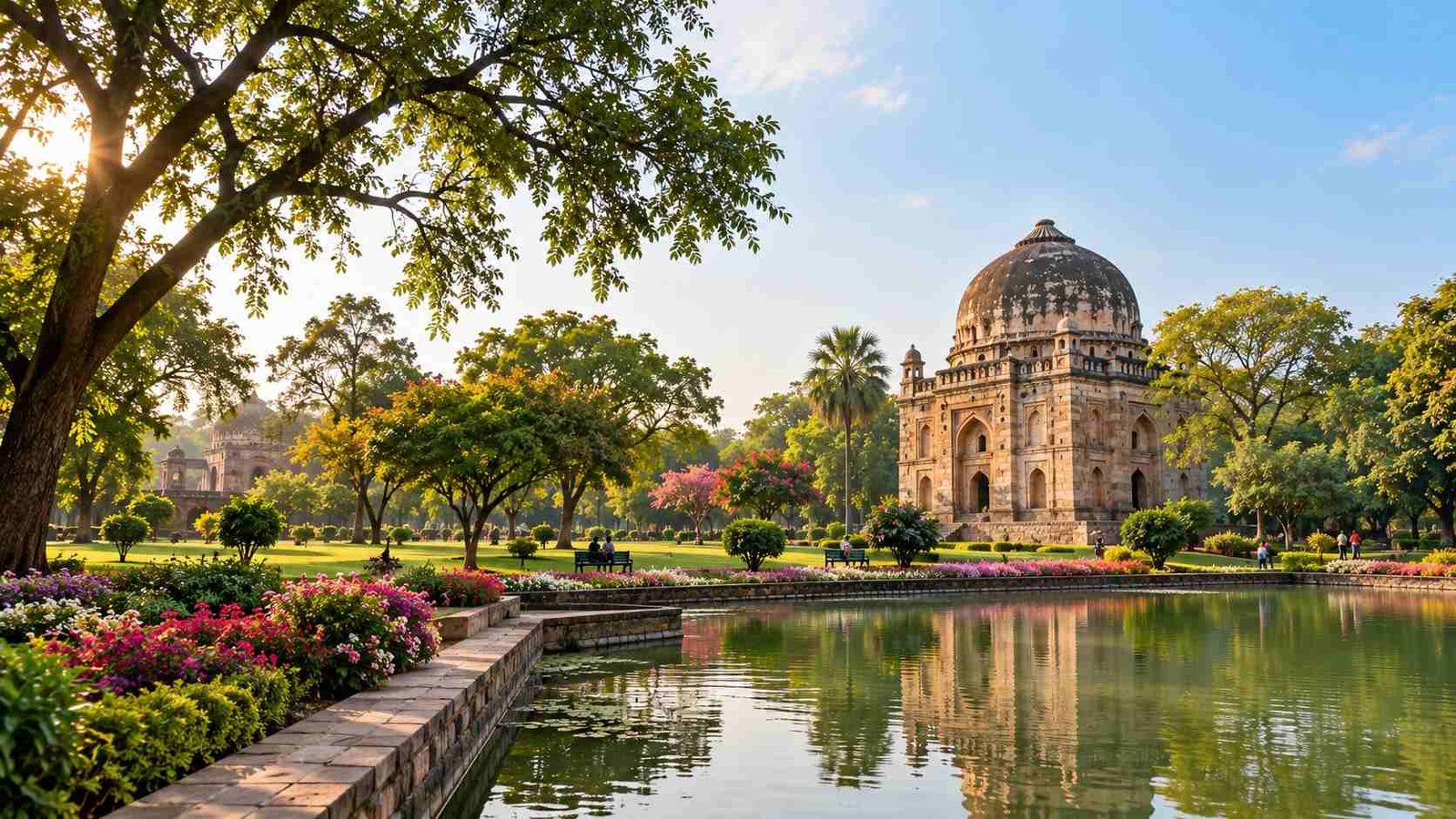
Delhi is known for its historic monuments, bustling markets, and rich culture, but the city also offers plenty of peaceful green spaces. From landscaped gardens and ancient tombs to forest trails and lakeside paths, the best parks in Delhi offer something for every kind of traveller. If you’re planning a wider sightseeing itinerary, our guide to the top tourist places in Delhi can help you pair time outdoors with the capital’s best-known attractions.
Whether you want to enjoy an early morning walk, plan a family outing, photograph historic architecture, or escape the busy streets, these parks provide a refreshing break. Some are perfect for picnics, while others offer birdwatching, shaded walking paths, and glimpses of Delhi’s history. Explore these beautiful parks in Delhi to discover the city’s natural side, find relaxing peaceful places in Delhi, and enjoy memorable outdoor experiences.
If you want to explore more than Delhi’s parks and gardens, consider joining a guided sightseeing experience. A half-day Delhi sightseeing tour is suitable for travellers with limited time, while a full-day Delhi sightseeing tour gives you more time to explore the capital’s famous landmarks, historic sites and cultural attractions with Taj Explorer.
Best Parks in Delhi at a Glance
Choosing between the many parks in Delhi becomes easier when you know what each place does best. Some are ideal for a relaxed morning walk, while others deserve more time because of their historic buildings, natural habitats, or location near other attractions.
The table below compares 15 destinations for different travel styles. Check official websites or local notices before leaving, since opening hours, admission charges, and access arrangements can change.
| Park or Green Space | Best For | Area |
|---|---|---|
| Lodhi Garden | History, walking, photography | Central Delhi |
| Sunder Nursery | Heritage gardens, picnics | Nizamuddin |
| Deer Park Delhi | Woodland walks, nearby cafés | Hauz Khas |
| Nehru Park Delhi | Morning exercise, open lawns | Chanakyapuri |
| Sanjay Van | Forest trails, nature walks | Mehrauli–Vasant Kunj |
| Garden of Five Senses | Landscaped gardens, photography | Saket |
| Jahanpanah City Forest | Woodland walks, quiet surroundings | South Delhi |
| Buddha Jayanti Park | Relaxation, greenery | Central Delhi |
| Bharat Darshan Park | Monument replicas, family visits | Punjabi Bagh area |
| Yamuna Biodiversity Park | Ecology, nature education | North Delhi |
| Japanese Park | Open spaces, family outings | Rohini |
| Mehrauli Archaeological Park | History, heritage walks | Mehrauli |
| Kamla Nehru Ridge | Nature trails, historic remains | North Delhi |
| Millennium Indraprastha Park | Casual walks, open space | Central Delhi |
| Asola Bhatti Wildlife Sanctuary | Wildlife habitats, guided nature walks | Southern Delhi |
1. Lodhi Garden
If you want to experience Delhi’s history without spending the entire morning inside a monument, Lodhi Garden is an excellent place to begin. The garden combines green lawns, mature trees, water features, and historic tombs associated with the Delhi Sultanate and the Lodhi period.
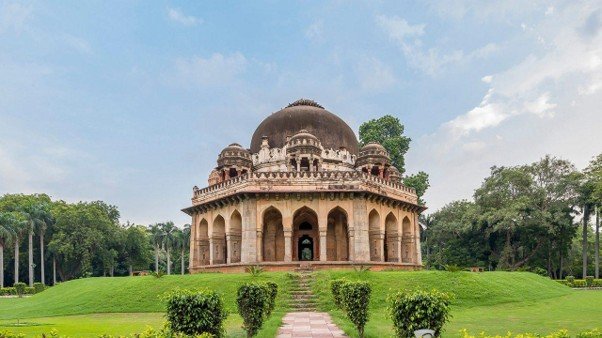
Its open layout makes it popular with local walkers, runners, photographers, and people looking for a quiet break. You can admire the old stone buildings, follow the paths beneath the trees, or sit for a while and watch everyday life unfold around you. Among the famous parks in Delhi, this one is especially rewarding because history forms part of an ordinary outdoor visit.
What to see and how to plan your visit
Allow around 60–90 minutes for a relaxed visit. If you enjoy architectural photography, give yourself longer to examine the domes, arches, and stonework. Early morning is usually the most comfortable time for walking, particularly during Delhi’s warmer months.
The garden sits near Khan Market, making it easy to combine the two areas in one outing. If you want to explore more of the capital’s historic landmarks after your walk, browse Taj Explorer’s guide to historical places in Delhi. Check current park timings before setting out, and remember that commercial photography or organised shoots might require permission. Entry to the garden has traditionally been free, but confirm current arrangements before your visit.
2. Sunder Nursery
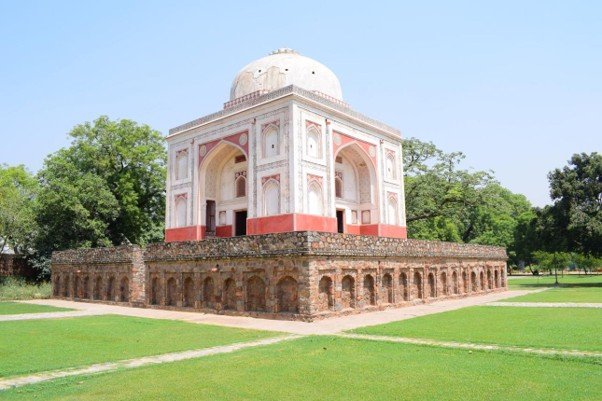
Sunder Nursery is one of the most appealing heritage gardens in Delhi for visitors who enjoy landscaped grounds and historic architecture. The 90-acre site contains restored monuments, planted gardens, water features, and open areas for a leisurely walk. Its history reaches back to the Mughal period, and the site opened to the public after extensive restoration work in 2018. Delhi Tourism’s Sunder Nursery guide provides background and visitor information.
The garden is particularly good for couples, photographers, families, and anyone who wants a slower sightseeing experience. You’ll find plenty to examine as you walk, from old stone structures to carefully planned planting areas. Compared with a quick stop at a monument, Sunder Nursery gives you room to spend time outdoors.
What to see and how to plan your visit
Set aside about two hours if you want to explore without rushing. The garden is next to Humayun’s Tomb, so you can plan both visits on the same day. Cafés and refreshments have been available in and around the complex, but check current options before relying on them.
Admission charges and opening hours can differ by visitor category and season. Confirm the latest information through the official Delhi Tourism page before visiting. For anyone searching for the best gardens in Delhi, this is a strong choice for combining greenery, architecture, and a little history. For more sightseeing ideas, use this guide to top tourist places in Delhi to plan other stops during your visit.
3. Deer Park, Hauz Khas
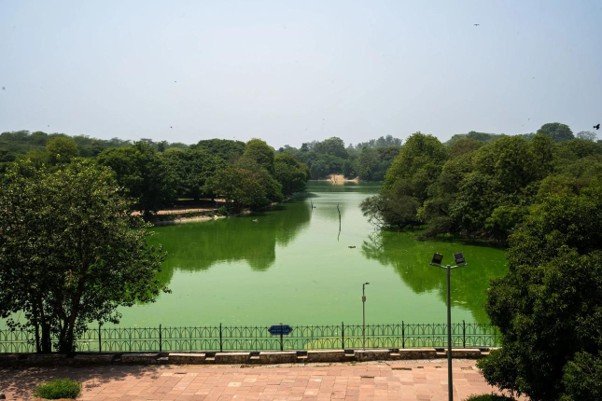
Deer Park Delhi sits beside Hauz Khas Village, a South Delhi neighbourhood known for cafés, restaurants, and historic remains. The park’s paths pass through wooded areas and open green spaces, making it a useful stop for travellers who want a walk before lunch or an afternoon exploring the neighbourhood.
Although the park is known by its traditional name, don’t plan your visit around seeing deer. Recent local reporting indicates that the former deer enclosure no longer holds its previous herd. The area remains worth considering for its trees, walking routes, and proximity to the Hauz Khas reservoir and historic complex.
What to see and how to plan your visit
Allow around 45–90 minutes for a casual walk. You can combine the park with a visit to Hauz Khas Village, although the village’s cafés and the archaeological complex have separate access arrangements and opening times.
The Green Park and Hauz Khas areas have Metro connections, but the best station depends on your entrance and final destination. Check your route before leaving. If you’re looking for peaceful places in Delhi, arrive early on a weekday for a quieter walk, and avoid feeding wildlife.
4. Nehru Park, Chanakyapuri
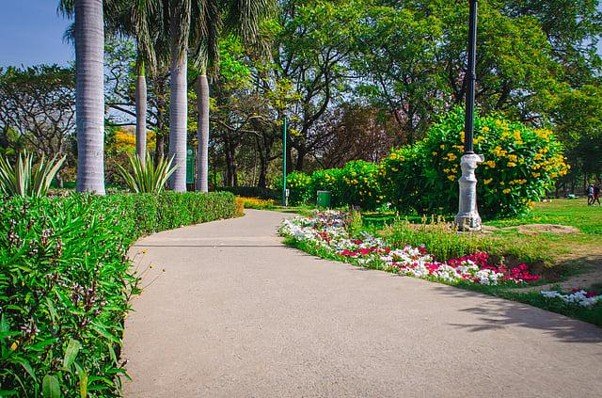
Nehru Park Delhi is a spacious public park in Chanakyapuri, the diplomatic district of the capital. Its open lawns and walking routes attract people who come to exercise, relax, or spend time outdoors without planning a full sightseeing trip. The park has a more recreational feel than the city’s historic gardens.
For visitors staying in central Delhi, Nehru Park can provide a comfortable outdoor break between museums, markets, and monuments. You may see people walking, jogging, exercising, or relaxing beneath the trees. It is one of the practical walking parks in Delhi for anyone who prefers open paths and a straightforward visit.
What to see and how to plan your visit
Allow 45–75 minutes for a relaxed visit, or longer if you want to exercise. Check current access rules for any organised activities or facilities you plan to use. The park’s broad lawns also make it suitable for casual photography, although event arrangements can affect some areas.
Before visiting, check the park timings and your route from the nearest Metro station or hotel. An early start is useful during summer, when temperatures can rise quickly. Nehru Park is a good option if you want green space without devoting most of your day to one attraction.
5. Sanjay Van
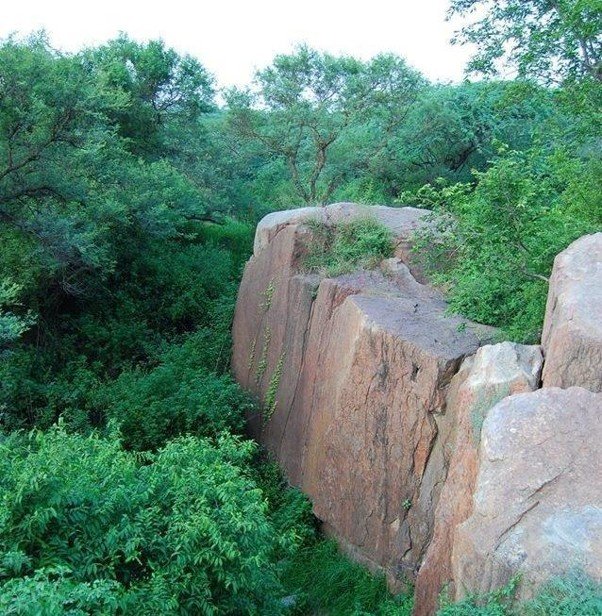
Sanjay Van feels quite different from Delhi’s manicured gardens. This extensive wooded area lies between Mehrauli and Vasant Kunj, with uneven ground, natural vegetation, and paths that pass through quieter parts of the forest. It is a good option for travellers interested in forest parks in Delhi and the city’s remaining natural habitats.
The forest’s appeal lies in its terrain and wildlife rather than formal flower beds or visitor attractions. Birds, trees, and changing patches of shade give the area a different character from a landscaped urban park. However, trails can be difficult to follow, and facilities are limited in some sections.
What to see and how to plan your visit
Plan around 60–120 minutes for a walk, depending on your route and pace. Wear closed walking shoes, carry drinking water, and visit during daylight. Going with a companion or joining a reputable guided walk is sensible if you don’t know the area.
Sanjay Van suits nature lovers who want a break from traffic and buildings. It is less suitable for visitors who need paved paths, frequent seating, or clear signs at every turn. Check current access conditions before setting off, and don’t approach or feed wildlife.
6. Garden of Five Senses
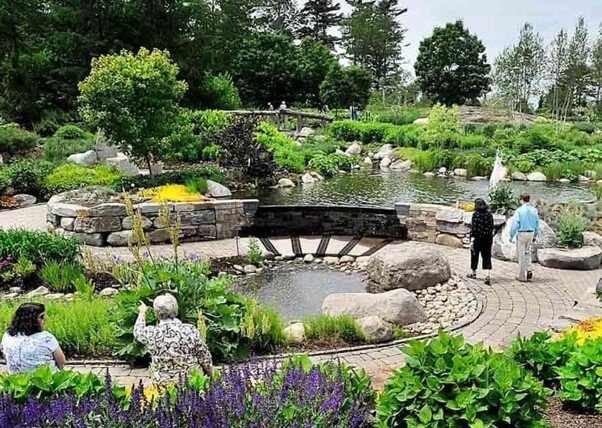
The Garden of Five Senses in Saket is designed around gardens, sculptures, landscaping, and spaces that invite visitors to pause and look around. Its planned layout gives it a different feel from the city’s large woodland areas. If you enjoy carefully arranged planting and outdoor photography, add it to your list of Delhi parks and gardens.
The garden works well for couples, small groups, and travellers who want a leisurely outing. Depending on the season, different parts of the grounds can look quite different. Its landscaped setting also makes it a useful option for people who prefer established paths over rough forest trails.
What to see and how to plan your visit
Allow roughly 60–90 minutes to explore the gardens and take photographs. Check whether any public event or private booking affects access on your chosen date. Facilities and refreshment options should also be confirmed before you rely on them.
The garden is in the Saket area, so check Metro connections and the final distance from the station to the entrance. Admission charges and operating hours should be verified before travel. Among the outdoor spaces in Delhi, this is a good choice for a planned visit rather than an unstructured hike.
7. Jahanpanah City Forest
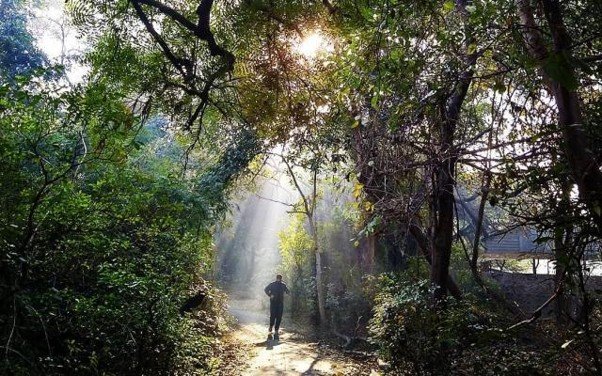
Jahanpanah City Forest is a large wooded area in South Delhi, with access points near several residential neighbourhoods. The forest is appealing if you want a walk surrounded by trees rather than manicured lawns. Its natural setting makes it one of the nature parks in Delhi worth researching before your trip.
The terrain and trail conditions vary across the forest. Some paths are uneven, and visitors should not expect the same signs, toilets, or refreshments found in a developed tourist garden. That makes route planning especially useful for travellers unfamiliar with the area.
What to see and how to plan your visit
Allow around an hour for a short walk, but choose your route carefully and leave enough time to return before dark. Carry water, wear suitable shoes, and keep your phone charged. Don’t assume every entrance leads to the same facilities or that every trail is open.
If your main goal is a simple family outing with playgrounds and convenient services, another park might suit you better. Jahanpanah is more appealing to people who enjoy woodland walks and quiet surroundings. Confirm current access arrangements before making a special trip.
8. Buddha Jayanti Park
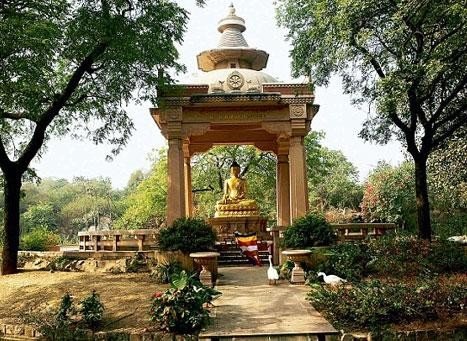
Buddha Jayanti Park is a landscaped green space associated with a memorial to Buddha. Its lawns and planted areas provide a quieter setting for a walk or a short break from Delhi’s busy roads. If you’re interested in Delhi green spaces that have a cultural connection, this park is worth considering.
The experience here is mainly about relaxing outdoors and appreciating the setting. You can take a gentle walk, look at the memorial area, and spend some time among the trees. As with other public parks, the atmosphere changes with the weather and the number of visitors.
What to see and how to plan your visit
Allow around 45–60 minutes for a casual visit. Check the current opening hours and entrance arrangements before leaving, particularly if you plan to arrive early or visit near closing time.
Wear comfortable shoes and bring water during warmer weather. If you’re combining the park with other attractions, check distances first so you don’t spend more time in traffic than outdoors. It works best as a relaxed stop rather than a full-day destination.
9. Bharat Darshan Park
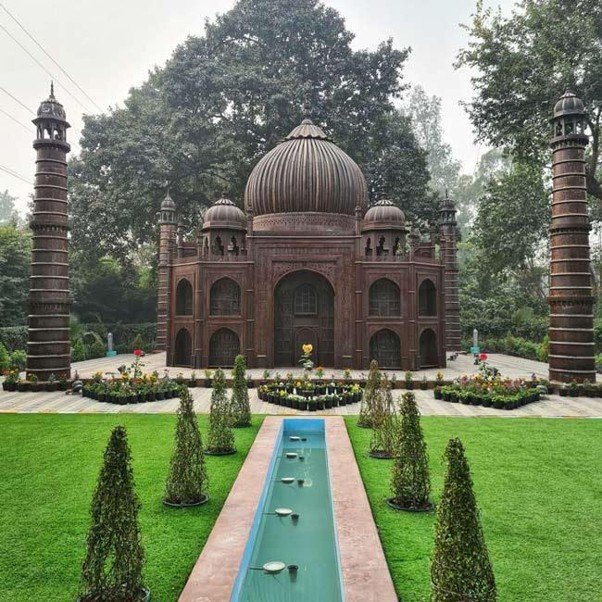
Bharat Darshan Park takes a different approach to sightseeing. Instead of focusing on natural scenery or old tombs, the park is known for replicas of well-known Indian monuments made using recycled materials. It gives visitors a chance to see representations of landmarks from different parts of the country in one place.
For families and travellers with limited time, the idea is easy to appreciate. You can walk between the replicas, compare architectural styles, and take photographs without travelling to every original monument. It is a distinctive addition to a guide covering family picnic spots in Delhi and attractions for mixed-age groups.
What to see and how to plan your visit
Allow around 60–90 minutes, depending on how much time you spend photographing the structures. Check the park’s official ticketing information, opening hours, and any rules for cameras or group visits before arriving.
This park is especially useful for visitors who want a sightseeing experience that differs from a conventional garden. However, the replicas cannot replace visiting the original monuments, where you can experience their actual scale, setting, and history. Treat Bharat Darshan Park as a separate attraction with its own appeal.
10. Yamuna Biodiversity Park
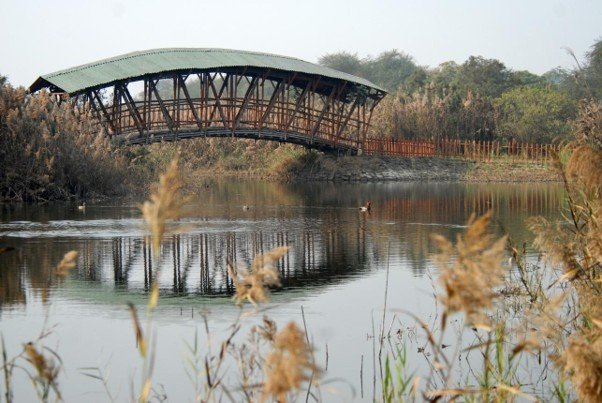
Yamuna Biodiversity Park focuses on ecological restoration and the habitats associated with the Yamuna floodplain. Wetlands, native vegetation, and grassland environments make it quite different from a conventional city garden. It belongs among the biodiversity parks in Delhi that appeal to visitors interested in nature education and habitat conservation.
The main reason to visit is to understand the natural environment rather than to find cafés, playgrounds, or elaborate flower displays. Wildlife observation can be rewarding, particularly for people interested in birds and wetland ecosystems. Access rules matter here, as some biodiversity sites manage visits through educational or guided programmes.
What to see and how to plan your visit
Before making the journey, confirm whether the park is open to general visitors on your chosen date. Ask about guided walks, advance arrangements, permitted routes, and photography restrictions. Don’t assume that access rules match those of a standard municipal park.
If entry is available, allow enough time for a guided visit or a slow walk through the permitted areas. Carry water, wear comfortable shoes, and follow instructions about staying on marked paths. This is a good choice for curious travellers who want to learn how urban green areas support native habitats.
11. Japanese Park, Rohini
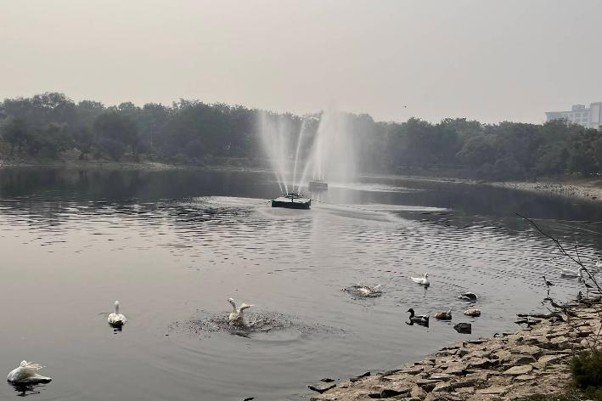
Japanese Park, also known as Swarn Jayanti Park, is a large recreational space in Rohini, North Delhi. Its open grounds and walking areas make it suitable for people who want room to move around without committing to a long forest hike. For travellers visiting this part of the city, it is one of the more accessible public gardens to consider.
The park is particularly relevant for families and visitors who prefer an informal outdoor outing. You can enjoy the greenery, walk around the grounds, and check which recreational facilities are operating during your visit. Its location also makes it more practical for people staying in North Delhi than for those based in the far south.
What to see and how to plan your visit
Allow about 60–90 minutes for a relaxed walk. Check current facilities and access conditions before travelling, especially if you’re planning to use a particular recreational area or visit with children.
Rohini has Metro connections, but the best station depends on the entrance and your route. Confirm directions before departure. Japanese Park is a useful reminder that the best parks in Delhi aren’t all concentrated around the historic centre; several worthwhile green spaces sit in residential districts.
12. Mehrauli Archaeological Park
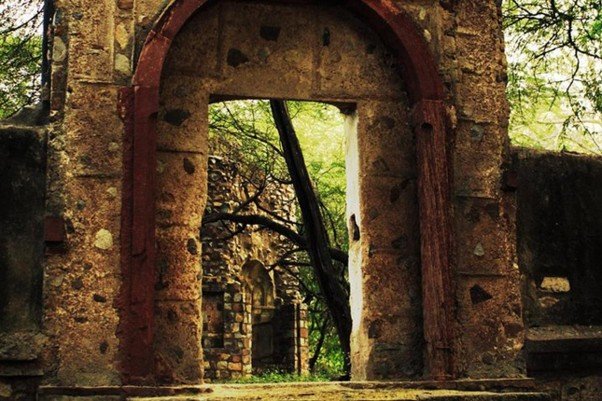
Mehrauli Archaeological Park is a strong choice for visitors who enjoy history as much as greenery. The grounds contain historic structures from different periods, including tombs and other architectural remains. Walking between the ruins gives you a sense of how Delhi developed over many centuries, making this one of the most interesting parks with historical monuments in Delhi.
Unlike a formal garden, the site requires a little more attention to navigation and walking conditions. Paths can be uneven, and not every structure has detailed information beside it. A knowledgeable guide can help explain what you’re seeing and put the buildings into historical context.
What to see and how to plan your visit
Set aside around 90–120 minutes if you want to explore several structures. Wear shoes suitable for uneven ground, carry water, and avoid entering restricted or unstable areas. Check current access conditions before visiting, especially if you want to see a particular monument.
The archaeological park is in Mehrauli, close to other historic attractions in South Delhi. Plan your route in advance because the larger area contains several separate sites. You can find more ideas in our guide to historical places in Delhi if you want to build a heritage-focused day around your visit. For history lovers, this is a rewarding alternative to visiting only Delhi’s best-known monuments.
13. Kamla Nehru Ridge
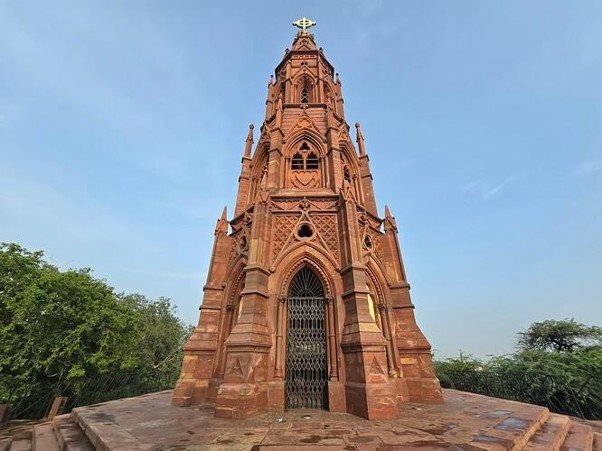
Kamla Nehru Ridge forms part of the wider Delhi Ridge, a landscape associated with the northern extension of the Aravalli system. Its terrain includes trees, rocky stretches, and historic remains. The area gives visitors a different view of Delhi, particularly if they want to walk through a natural setting rather than spend the day among monuments and shopping streets.
The ridge is better suited to visitors who are comfortable with uneven paths and limited facilities. Historic structures add interest to the walk, but you should research their locations before setting out. The area’s natural character also makes it important to respect vegetation and avoid disturbing wildlife.
What to see and how to plan your visit
Allow around 60–90 minutes for a short walk, with extra time if you plan to visit specific historic sites. Confirm which entrances are accessible and whether any sections have temporary restrictions. Visit during daylight and carry enough water for the route.
Kamla Nehru Ridge can be a rewarding stop for nature lovers and people interested in Delhi’s history. It is less suitable for visitors who need paved paths or want a fully serviced garden. Check local conditions before treating it as a casual evening stroll.
14. Millennium Indraprastha Park
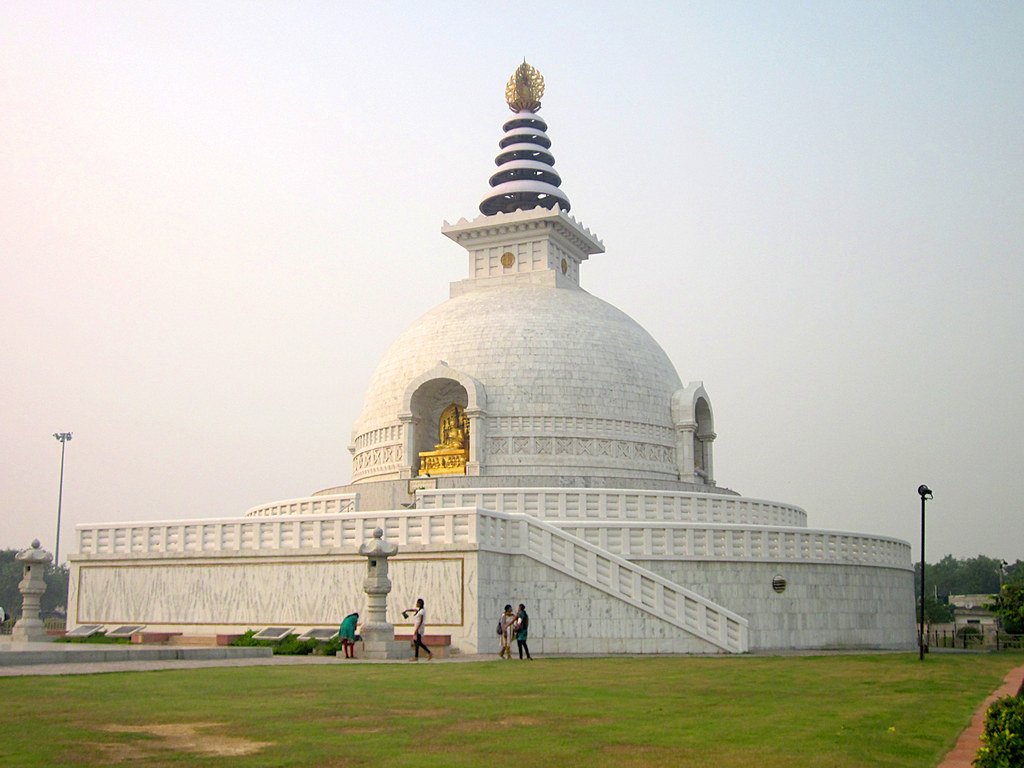
Millennium Indraprastha Park is a green space in central Delhi that can suit a short walk or a break between other activities. Its appeal depends on the sections open and the facilities available during your visit. If you’re comparing parks in Delhi for a flexible itinerary, check its current condition before deciding how much time to set aside.
For travellers staying near central Delhi, the park might fit into a day that includes other attractions. It is best approached as a recreational stop rather than a major heritage destination. Confirm which areas are accessible and whether maintenance work or events affect the grounds.
What to see and how to plan your visit
Allow roughly 45–60 minutes if current access conditions support a casual walk. Check the latest opening hours, entry rules, and available facilities before travelling. Reliable, current information matters more here than relying on an old travel listing.
If you’re planning several attractions in one day, compare the park’s location with your other stops before adding it. A little route planning can save a long detour through traffic. For a first visit to Delhi, prioritise the parks that match your interests and have confirmed visitor access.
15. Asola Bhatti Wildlife Sanctuary

Asola Bhatti Wildlife Sanctuary lies along the southern edge of Delhi, within the wider Aravalli hills region. Its terrain includes rocky ground, scrub vegetation, restored mining lakes, and habitats for native wildlife. It is a different sort of outing from a manicured garden, with a stronger focus on conservation and the natural environment.
The sanctuary is worth considering for visitors who enjoy birdwatching and guided nature walks. Wildlife sightings depend on conditions and luck, so don’t plan your day around seeing a particular animal. Among the wildlife sanctuaries near Delhi, Asola Bhatti is a useful place to learn about the region’s remaining natural habitats.
What to see and how to plan your visit
Check the official sanctuary guidance before travelling. Entry arrangements, guided programmes, opening hours, and permitted routes can change, and independent access should never be assumed. Wear closed shoes, carry water, and follow all instructions from sanctuary staff or guides.
Allow at least two hours if your booking or guided programme permits a substantial visit. The sanctuary lies away from many central tourist attractions, so plan transport carefully. It is a better choice for nature-focused travellers than for anyone hoping for a quick stop between monuments.
Which Park in Delhi Is Best for You?
The right choice depends on what you want from your time outdoors. History lovers will enjoy Lodhi Garden and Mehrauli Archaeological Park, while people who prefer landscaped grounds may like Sunder Nursery or the Garden of Five Senses. Travellers looking for a woodland setting should research Sanjay Van and Jahanpanah City Forest before visiting.
Families might prefer parks with established paths and convenient access. Birdwatchers and nature enthusiasts should check whether guided visits are available at the biodiversity parks and sanctuary. If you’re staying in central Delhi, choosing a nearby garden can save time and leave more of the day for sightseeing.
Best parks in Delhi by travel style
| Your Interest | Suggested Choice | Why It Fits |
|---|---|---|
| History and architecture | Lodhi Garden | Historic tombs within landscaped grounds |
| Heritage gardens | Sunder Nursery | Restored monuments and formal gardens |
| Photography | Garden of Five Senses | Sculptures and designed spaces |
| Woodland walks | Sanjay Van | Natural forest setting and uneven trails |
| Archaeology | Mehrauli Archaeological Park | Historic ruins across a large site |
| Family sightseeing | Bharat Darshan Park | Replicas of Indian monuments |
| Nature education | Yamuna Biodiversity Park | Ecological habitats and guided learning, subject to access |
| Wildlife-focused outings | Asola Bhatti Wildlife Sanctuary | Conservation landscape and nature programmes |
Best Time to Visit Parks in Delhi
For long walks and outdoor sightseeing, October through March is generally the most comfortable period to plan around. Winter mornings can be cool, while spring brings seasonal changes to many gardens. Delhi’s summer heat can make exposed lawns and open trails uncomfortable, particularly in the middle of the day.
Monsoon weather changes the look of the city’s green spaces, but rain can also leave paths muddy or uneven. For woodland areas, check local conditions before departure. Air quality can also vary, especially during winter, so review the forecast if you’re sensitive to pollution or planning a long walk.
Morning or evening: which is better?
Morning is a sensible choice for walking, photography, and nature observation. Temperatures are usually more manageable than in the afternoon, and some parks are livelier with local walkers and exercise groups. However, the opening time varies by location and season.
Evening visits work well at parks that permit late access, especially if you want softer light for photographs. Don’t assume every forest or sanctuary stays open after sunset. Confirm the current closing time and leave enough time to return safely.
Tips for Visiting Parks in Delhi
A little preparation makes Delhi parks and gardens easier to enjoy, especially if you’re visiting from overseas. Delhi’s size means two parks that look close on a map can still require a substantial drive, depending on traffic. Group nearby attractions together and check your route before leaving your hotel. For help choosing additional stops, see Taj Explorer’s guide to the top tourist places in Delhi.
Wear comfortable walking shoes and carry drinking water. For exposed gardens, bring sun protection during warmer months. Forest trails require extra care because surfaces can be uneven and facilities may be limited. Keep to permitted paths, avoid feeding animals, and take your rubbish with you.
Getting around and checking park access
The Delhi Metro is useful for reaching many parts of the city, but some parks still require a taxi, auto-rickshaw, or additional walk from the station. Check the nearest Metro station for your chosen entrance rather than relying on a general neighbourhood name. Early morning visits might also require transport before convenient train services begin.
For every destination, verify entry fees, opening hours, and any booking requirements before departure. Some heritage sites charge admission, while others are public recreational spaces. Biodiversity parks and wildlife sanctuaries can have separate rules for guided visits, photography, and visitor access.
Safety, photography, and park etiquette
Visit unfamiliar forest areas during daylight, carry a charged phone, and consider joining a guided walk if the route is difficult to follow. Stay away from wildlife and never feed animals. Respect signs, restricted zones, and any instructions from park staff.
If you want to use a tripod, fly a drone, or arrange a professional photo shoot, check the rules first. Personal photography and commercial filming may be treated differently. A few minutes of preparation can prevent a wasted journey or an unwelcome surprise at the entrance.
Frequently Asked Questions About Parks in Delhi
What are the best parks in Delhi for tourists?
Lodhi Garden and Sunder Nursery are excellent starting points because they combine greenery with historic architecture. If you prefer forest trails, consider Sanjay Van after checking current access and safety conditions. The best choice depends on your location and interests.
Which parks in Delhi have free entry?
Lodhi Garden and several public recreational parks have traditionally offered free entry. Ticketed gardens, heritage attractions, and protected nature sites can have different charges or visitor rules. Check the official information for each location before setting out.
Which park in Delhi is best for morning walks?
Lodhi Garden and Nehru Park are good options for morning walks. Both have open green spaces and established paths. Arrive early during warmer months, and check seasonal opening hours before leaving your accommodation.
Are there parks in Delhi with historical monuments?
Yes. Lodhi Garden contains historic tombs, while Sunder Nursery has restored Mughal-era monuments. Mehrauli Archaeological Park is another good choice if you want to spend more time examining historic structures and archaeological remains.
Which parks in Delhi are good for families?
Bharat Darshan Park is worth considering for its monument replicas. Sunder Nursery suits families who enjoy landscaped gardens and open spaces. Before visiting with young children, check available toilets, food options, walking distances, and current admission arrangements.
What is the best time to visit parks in Delhi?
October through March is generally comfortable for outdoor sightseeing, although winter mornings can be chilly and air quality may be poor on some days. Early mornings are useful during hotter months because temperatures are usually lower.
Can tourists visit Delhi’s forests and wildlife sanctuaries?
Yes, where public access is permitted. Sanjay Van, Jahanpanah City Forest, and Asola Bhatti Wildlife Sanctuary each have different terrain and access considerations. Check official guidance before travelling, and use a guide where recommended.
How can I reach Delhi’s parks by Metro?
Many parks are reachable by Metro plus a short taxi ride or walk. Sunder Nursery is near JLN Stadium station, while other parks have different transport options depending on their entrances. Check current directions before departure.
Conclusion
Delhi’s green spaces give you another way to experience the capital. You can spend the morning walking among historic tombs at Lodhi Garden, explore the restored grounds of Sunder Nursery, or choose a nature-focused visit to Asola Bhatti when access is available. If you’d like to add guided sightseeing to your plans, explore Delhi tours with Taj Explorer for more ways to see the city.
If this is your first visit, start with one or two parks near the other attractions on your itinerary. If you have a few extra days, the Delhi-to-Agra two-day trip guide can help you consider destinations beyond the capital. Check the weather, confirm current opening arrangements, and leave enough time to enjoy the place without rushing. That’s the easiest way to make Delhi’s parks a worthwhile part of your trip.