11 Places Every American Tourist Should Visit in India
Picking a destination to visit in India is the hardest part of planning this trip. The country is huge. Every state feels like its own world.
We’ve been running tours for American travelers for years now, and we keep coming back to the same 11 places. Not because they’re the only good ones. Because they cover the range of what India actually is: Mughal history, desert forts, sacred rivers, hill stations, and beaches, all in one country.
Table of Contents
Here’s where we send first-time visitors, and why.
1. Delhi
Most American guests land in Delhi, and honestly, we recommend giving it 2 full days instead of rushing through in one.
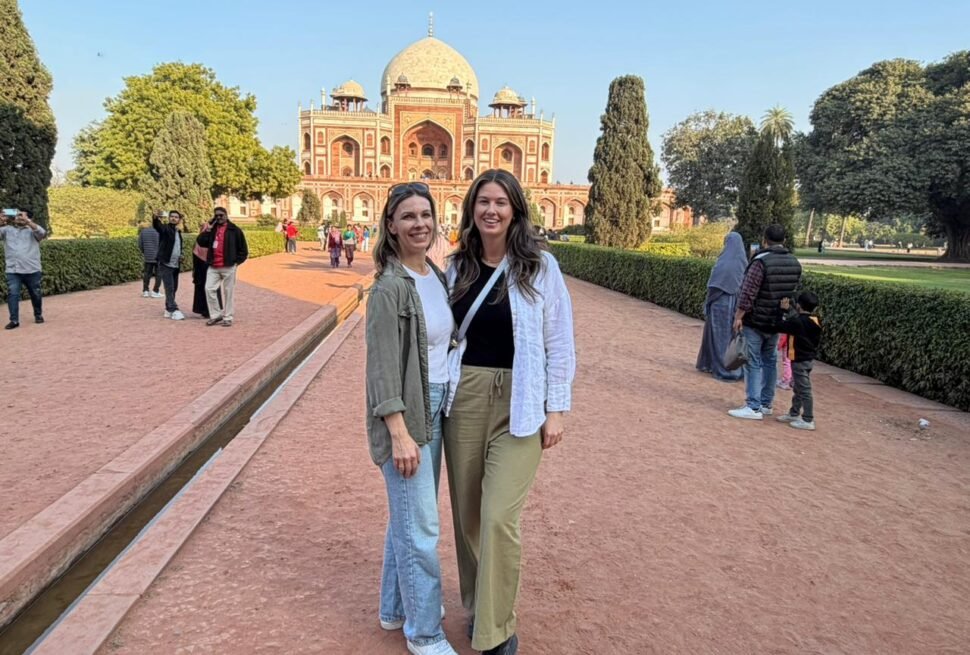
Old Delhi and New Delhi feel like two different centuries. In the morning, walk through Chandni Chowk, past Jama Masjid, and grab a plate of parathas at Paranthe Wali Gali. In the afternoon, see Humayun’s Tomb and India Gate, both far quieter and easier to photograph.
Our Delhi tours usually start here, with a private car and driver so you’re not fighting Delhi traffic on your own.
Practical tip: October to March is the best window. Summers in Delhi hit 40°C (104°F), which is rough if you’re not used to it.
2. Agra (the Taj Mahal)
This is why most Americans come to India in the first place, and it earns the hype.
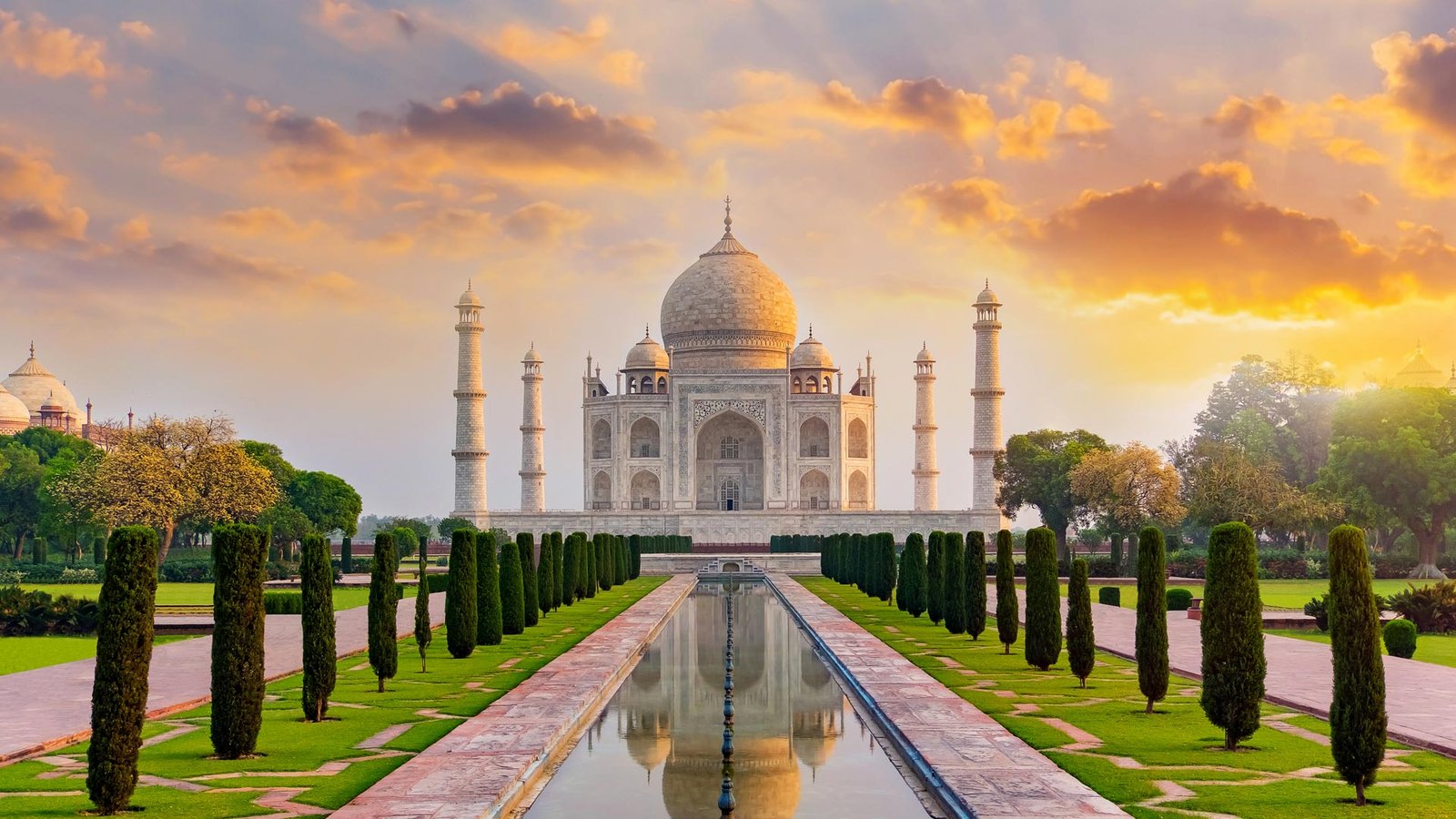
Sunrise entry is worth the early alarm. The Taj Mahal at 6:30 AM, before the tour buses arrive, is a different experience than the same monument at noon with 5,000 other visitors. We’ve found guests remember the sunrise version for years.
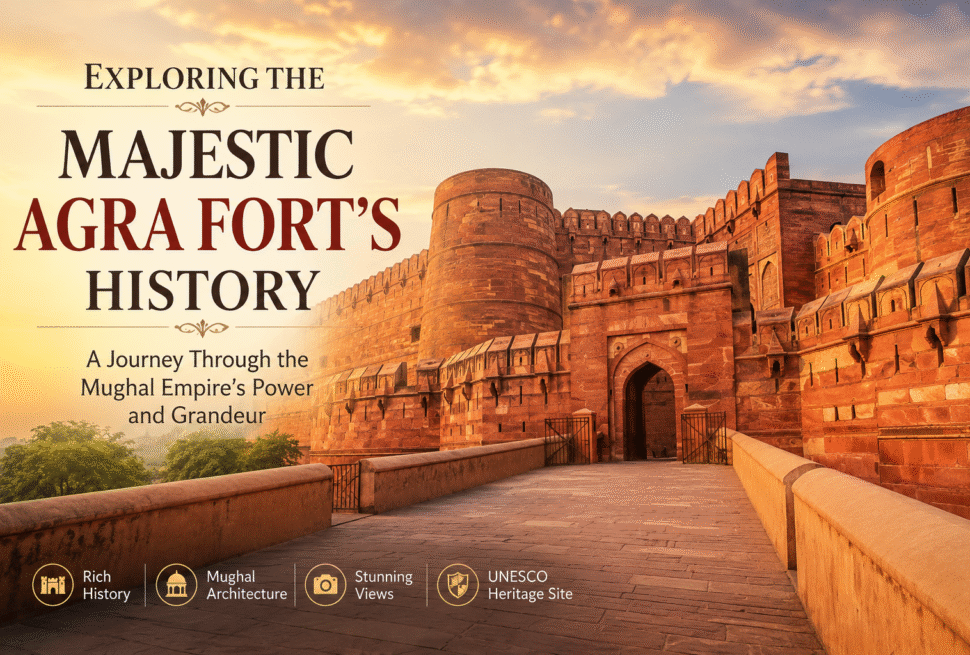
Beyond the Taj, spend a few hours at Agra Fort and, if you have time, cross the river to Mehtab Bagh for the classic reverse view of the monument at sunset.
Our Taj Mahal tours and Agra day trips from Delhi run year-round, though we always suggest an overnight stay if your schedule allows it. One day is enough to see the Taj Mahal and Agra Fort. It’s not enough to actually enjoy Agra.
Scam to avoid: Guides outside the ticket counter offering to “skip the line.” Buy tickets online or through your tour operator before you arrive.
Entry fees and timings: The Taj Mahal opens 30 minutes before sunrise and closes at sunset, closed on Fridays. Foreign visitors pay ₹1,300 (about $16), which includes a small bottle of water and shoe covers. Agra Fort is open daily, 6 AM to 6 PM, and foreign tickets run about ₹650 ($8).
3. Jaipur
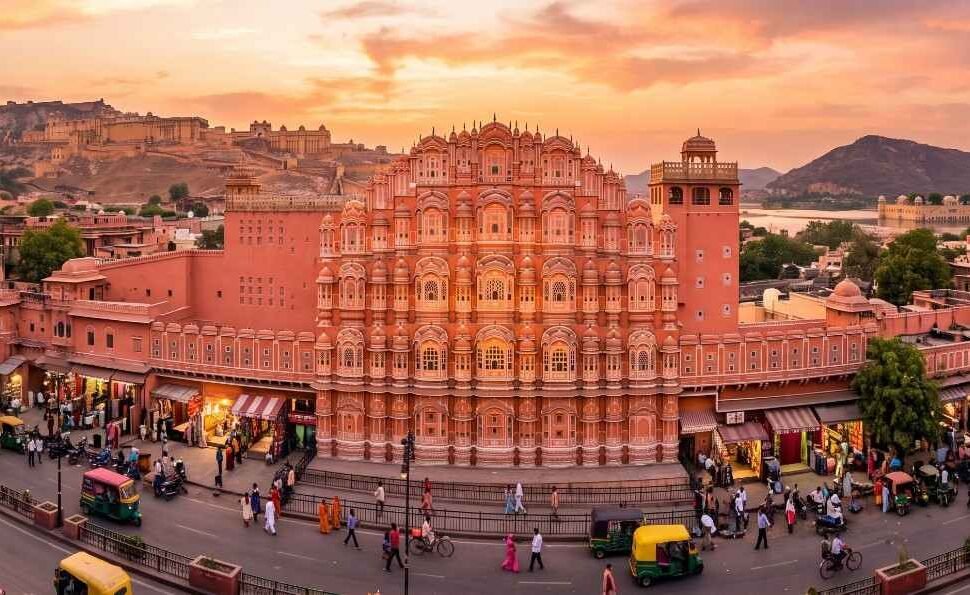
The Pink City is where the Golden Triangle route earns its name. Amber Fort in the morning light, City Palace, Hawa Mahal, and the Jantar Mantar observatory all sit within a short drive of each other.
Jaipur is also where most guests do their first real shopping in India. Johari Bazaar for gemstones, Bapu Bazaar for textiles and juttis (traditional shoes). Bargaining is expected. Start at half the asking price and work up from there.
Our Jaipur tours are usually the third stop on a Golden Triangle tour, right after Delhi and Agra, and it’s rarely anyone’s least favorite city on the trip.
Practical tip: Book Amber Fort tickets online in advance during peak season (November to February). The line at the gate can run over an hour.
For food, don’t leave Jaipur without trying laal maas, a fiery Rajasthani mutton curry, and a plate of pyaaz kachori from a stall near Chaura Rasta.
4. Udaipur
If Jaipur is the desert capital, Udaipur is the lake city, and it’s the one guests ask to extend their stay in most often.
Lake Pichola at sunset, with the City Palace lit up behind it, is one of the most photographed views in Rajasthan for a reason. Take a boat ride out to Jagmandir Island in the late afternoon and watch the light change over the water.
We usually pair Udaipur with a Rajasthan-focused itinerary rather than the standard Golden Triangle, since it adds a day of travel from Jaipur. For travelers with 10+ days in India, it’s one of our most requested add-ons.
Practical tip: Stay on the lake side if your budget allows it. Even a mid-range hotel with a lake view changes the whole feel of the trip.
City Palace is worth a slow morning, not a rushed hour. Entry runs about ₹300 to ₹700 ($4 to $8) depending on which sections you add on.
5. Jodhpur
The Blue City sits a few hours from Udaipur and gets skipped more than it should.
Mehrangarh Fort towers over the old city and gives you the postcard shot: blue houses stretching out below, desert on the horizon. Walking the narrow lanes below the fort, past spice shops and turban sellers, is where Jodhpur actually shows its character.
We recommend at least one full day here if you’re already routing through Rajasthan for Jaipur and Udaipur.
Jodhpur’s old city, right below the fort, has some of the best rooftop restaurant views in Rajasthan. Sit down for chai around sunset and you’ll understand why guests keep asking us to add an extra night here.
6. Varanasi
This is the destination that surprises American travelers the most, in a good way.
Varanasi sits on the Ganges and is one of the oldest continuously inhabited cities in the world. The evening Ganga Aarti ceremony at Dashashwamedh Ghat, with fire, chanting, and hundreds of oil lamps, isn’t something you can fully prepare for. A sunrise boat ride past the ghats the next morning shows a completely different side of the city: quiet, still, and deeply personal for the people bathing and praying along the river.
It’s intense. It’s also one of the few places in India where you feel like you’re seeing daily life exactly as it’s been for centuries, not a version staged for tourists.
Our Varanasi extensions usually attach to a Golden Triangle or North India itinerary, flying in from Delhi or Agra.
Practical tip: Dress modestly and ask before photographing cremation rituals at the ghats. Some areas are off-limits to cameras entirely.
Most guests fly into Varanasi from Delhi, about 1 hour 20 minutes, rather than take the train. If you have an extra day, Sarnath, where Buddha gave his first sermon, sits about 30 minutes outside the city.
7. Amritsar
The Golden Temple in Amritsar is one of the most welcoming religious sites we send guests to, regardless of their own faith.
Anyone can enter, and everyone eats together at the langar, the free community kitchen that serves tens of thousands of meals a day. Watching volunteers cook, serve, and clean without pause is honestly more moving for a lot of guests than the temple itself.
If your dates line up, the Wagah Border ceremony near the Pakistan border, with its high-kicking soldiers and crowd chants, is worth the short drive out.
We add Amritsar extensions onto Golden Triangle itineraries for guests who want a religious and cultural stop outside the standard Delhi-Agra-Jaipur route.
The Golden Temple is open 24 hours and free to enter. Cover your head, remove your shoes at the entrance, and expect to walk barefoot on marble, which gets hot by midday in summer. Most guests spend 2 to 3 hours here, longer if you stay for the evening prayers.
8. Rishikesh
For guests who want mountains, rivers, and a slower pace after the cities, Rishikesh is where we point them.
It sits at the foot of the Himalayas, along the Ganges, and it’s where yoga as most Americans know it actually took shape. Morning yoga sessions along the riverbank, the evening aarti at Triveni Ghat, and a walk across Lakshman Jhula suspension bridge cover most of what makes the town worth visiting.
It also works well as a shorter add-on, 2 to 3 days, for travelers coming from Delhi who want a break from monuments and shopping.
9. Himachal Pradesh (Shimla and Manali)
If you have more than 10 days in India, Himachal is where the trip starts to feel completely different from the Golden Triangle.
Shimla, the old British hill station, has a walkable Mall Road, colonial architecture, and toy train views that are worth the slow ride up. Manali, further north, is the base for mountain drives, apple orchards, and views of snow-capped peaks even in the warmer months.
Our Himachal extensions work well for guests who’ve already done Delhi, Agra, and Jaipur on a previous trip and want to see a different side of the country this time.
Practical tip: The road from Delhi to Manali takes 12 to 14 hours by car. Most guests either fly into Kullu or break the drive into 2 days.
10. Kerala backwaters
Kerala is a long way from Delhi, both in distance and in feel. It’s green, humid, and slow, in the best sense.
A night or two on a houseboat through the backwaters near Alleppey, drifting past rice paddies and small villages, is one of the most relaxing things you can do in India. Pair it with a couple of days in Kochi, where colonial history, Chinese fishing nets, and a strong food scene all sit inside one small city.
We usually recommend Kerala as its own trip, or as an extension for guests spending 2 weeks or more in India.
11. Goa
If your trip needs a beach at the end, Goa is where most of our guests land.
North Goa (Baga, Calangute, Anjuna) is livelier, with beach shacks, markets, and nightlife. South Goa (Palolem, Agonda) is quieter, better for guests who want a couple of days to just do nothing after 2 weeks of temples and forts.
It’s a good closing stop on a longer India itinerary, especially if you’re flying out of Goa or Mumbai afterward.
Getting between these places
India is bigger than most Americans expect. Delhi to Agra is only 3 to 4 hours by road or 100 minutes by the Gatimaan Express train. Agra to Jaipur is another 4 to 5 hours by car. But Delhi to Kerala is a 3-hour flight, and Delhi to Manali is closer to 12 hours by road.
For the Golden Triangle and its nearby extensions (Varanasi, Amritsar, Rajasthan), we almost always recommend a private car and driver over public transport or self-driving. Roads are manageable between major cities, but traffic patterns, signage, and driving norms take some getting used to, and a driver who knows the route saves hours.
For anything further out, like Kerala, Goa, or Himachal from Delhi, flying makes more sense than a long overland drive. Domestic flights in India are frequent and reasonably priced, usually $40 to $90 one-way on routes like Delhi to Kochi or Delhi to Goa.
How many of these can you actually fit into one trip?
It depends on how many days you have.
- 7 to 8 days: Delhi, Agra, Jaipur. The classic Golden Triangle tour, with maybe one extension (Varanasi or Amritsar) if you’re willing to move fast.
- 10 to 12 days: Golden Triangle plus Udaipur or Jodhpur, giving you a fuller picture of Rajasthan.
- 14+ days: Golden Triangle plus one longer extension: Kerala, Himachal, or a combination of Varanasi and Amritsar.
We build most of our itineraries around this exact logic. Start with the Golden Triangle as the backbone, then add extensions based on how much time and energy you have left.
Frequently asked questions
What is the best destination to visit in India for a first trip?
For most American travelers, the Golden Triangle (Delhi, Agra, Jaipur) is the best place to start. It covers the Taj Mahal, Mughal architecture, and Rajasthani culture in a route that doesn’t require much internal flying.
How many days do you need in India?
7 days covers the Golden Triangle comfortably. 10 to 14 days lets you add Rajasthan cities like Udaipur or a cultural extension like Varanasi or Amritsar. 2 weeks or more is where a beach or hill station add-on starts to make sense.
Is it safe for American tourists to travel in India?
Yes, with normal travel precautions. Millions of foreign tourists visit India every year, and popular circuits like the Golden Triangle are well set up for it. We recommend traveling with a licensed guide and private driver, especially for first-time visitors.
What’s the best time of year to visit these places?
October through March is best for Delhi, Agra, Jaipur, and Rajasthan generally. Kerala works well from September to March. Himachal is best avoided in peak winter unless you specifically want snow, and Goa is best from November to February.
Do American tourists need a visa for India?
Yes. Most American travelers apply for an e-Visa online before departure, which covers tourist stays of up to 90 days. Apply at least 2 to 3 weeks ahead, since processing can stretch during peak season.
How much does a trip like this cost?
It depends on hotel category and how many places you visit, but a 7-day Golden Triangle tour with a private driver, mid-range hotels, and guided sightseeing typically runs $1,200 to $2,500 per person, not including international flights.
Planning your route
Eleven places is a lot to choose from, and you don’t need all of them in one trip.
If this is your first time in India, start with the Golden Triangle tour and pick one extension that matches what you actually want: rivers and temples in Varanasi, Sikh culture in Amritsar, or mountains in Himachal.
If you’ve been before, Udaipur, Jodhpur, Kerala, and Goa are where most of our returning guests go next.
Either way, these 11 remain the destinations to visit in India that we recommend most, and the ones our guests talk about long after they’ve flown home.