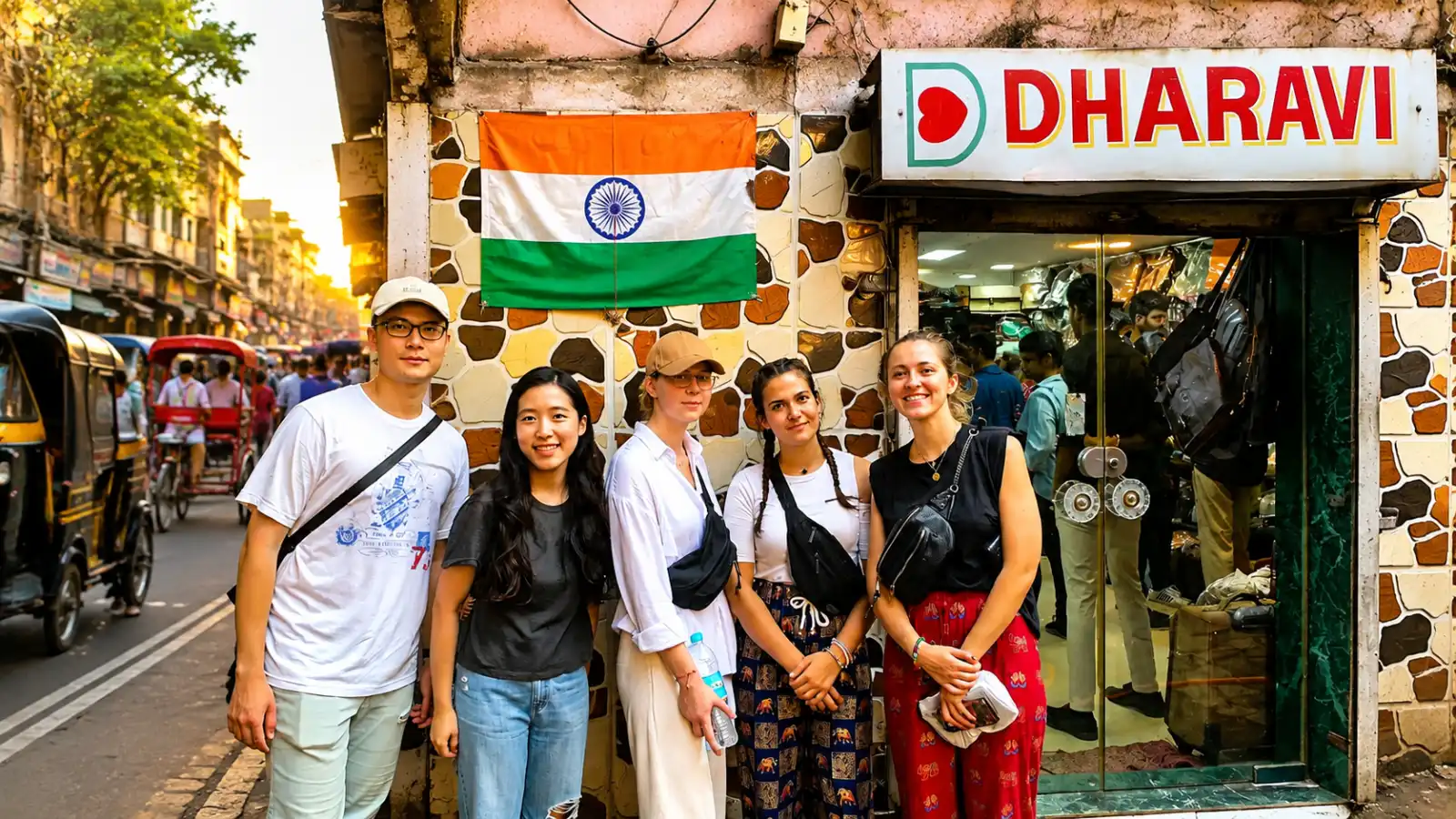
“A rickshaw brushes past. Someone hands you a steaming cup of chai. The smell of cardamom and fresh jalebis fills the air. A day later, you’re watching a craftsman in Mumbai stitch a leather bag by hand while children race through a narrow lane after school”
Welcome to two of India’s busiest streets: where the real stories aren’t behind glass in a museum. They’re happening right in front of you.
When people dream about visiting India, they often picture the Taj Mahal at sunrise or the Gateway of India overlooking the Arabian Sea. Those landmarks deserve every bit of their fame. But after helping travellers explore India for years, we’ve noticed something interesting.
When guests tell us about their favourite memories, they rarely begin with a monument.
Instead, they remember the old man selling spices who insisted they smell freshly ground cinnamon before buying anything. They remember sharing a table with strangers over breakfast in Old Delhi. They remember the leather artisan in Mumbai proudly explaining how he learned his craft from his father. Those are the moments that stay with you.
If you want to understand India beyond the postcards, Chandni Chowk in Delhi and Dharavi in Mumbai are two places you shouldn’t miss.
One is more than 350 years old The other represents modern Mumbai’s energy and determination Together, they tell a story that no monument can.
Table of Contents
Why These Streets Matter More Than You Think
It’s easy to walk through a busy market and only see the crowd. Look a little closer, and you’ll notice something different.
You’ll see families running shops that have been open for generations.
You’ll hear five different languages in the space of a few minutes.
You’ll watch people greet each other by name, share tea, and continue traditions that have survived changing cities, changing governments, and changing times.
That’s why we always recommend adding at least one local walking experience to your trip.
You don’t just see a destination.
You begin to understand the people who make it what it is.
Chandni Chowk: Where Every Lane Has a Story
The first thing you’ll notice in Chandni Chowk isn’t a building.
It’s the energy.
Rickshaws somehow find space in impossibly narrow lanes.
Vendors call out today’s specials.
Fresh bread comes out of old ovens.
Someone is bargaining over wedding jewellery while another person waits patiently for a plate of hot jalebis.
At first, it feels chaotic.
Ten minutes later, it starts making sense.
Everyone has somewhere to be.
Everyone has a role.
That’s what makes Chandni Chowk feel alive.
Unlike many famous markets around the world, this isn’t a place created for tourists.
People come here to shop, work, pray, celebrate festivals, and catch up with neighbours—just as they’ve done for generations.
A Market That Has Never Stopped Evolving
Chandni Chowk was built in the 17th century during the reign of Mughal Emperor Shah Jahan. Over time, it grew into one of India’s most famous trading districts, attracting merchants from across Asia.
Today, the market looks different, but its purpose hasn’t changed.
It’s still where Delhi comes to buy spices, wedding outfits, silver jewellery, fabrics, sweets, and thousands of everyday essentials.
That’s what makes it feel authentic.
It isn’t preserved like a museum.
It’s still part of daily life.
Five Things You’ll Notice Within the First 15 Minutes
1. The Smell of Spices Before You Even See Them
Walk towards Khari Baoli, and you’ll smell cardamom, cloves, cinnamon, dried chillies, and black pepper long before you reach the market.
We’ve seen travellers stop in their tracks just to take it all in.
It’s one of those moments that photographs simply can’t capture.
2. Rickshaws That Somehow Never Crash
The streets look impossible.
Yet drivers move through them with incredible patience and precision.
Watching the traffic is almost entertainment on its own.
3. Tiny Tea Stalls With Big Conversations
One of our favourite travel tips?
Pause for ten minutes.
Order a cup of chai.
Watch the neighbourhood wake up.
Some of our best conversations in Delhi have started over a small glass of tea.
4. History Around Every Corner
Within a short walk, you’ll pass centuries-old temples, mosques, gurudwaras, and colonial-era buildings.
It’s a reminder that Old Delhi has always been home to different communities living side by side.
5. Food Worth Standing in Line For
If locals are willing to queue, that’s usually a good sign.
If you’d rather explore these food lanes with someone who knows where the locals actually eat, our Old Delhi Food Tasting Tour with Chandni Chowk combines iconic food stops with the stories behind the neighbourhood, making it a great option for first-time visitors who want more than just a meal.
Some of our favourite stops include:
- Paranthe Wali Gali for stuffed parathas.
- Natraj Dahi Bhalla for soft lentil dumplings with yoghurt.
- Fresh jalebis straight from the pan.
- Daulat Ki Chaat if you’re visiting during winter.
Don’t try to eat everything.
Share dishes instead.
You’ll taste more and enjoy the experience without feeling rushed.
The Secret Isn’t the Main Road
Here’s something we tell almost every first-time visitor.
Don’t spend your entire visit on the main street.
Turn into the smaller lanes.
That’s where Chandni Chowk slows down.
You might find a craftsman making wedding decorations by hand, a shop selling spices for three generations, or a hidden haveli tucked behind modern storefronts.
Those quiet discoveries often become the highlight of the day.
Quick Tips Before You Visit
- Best time: 9:00 AM–11:00 AM
- Walking: Around 4–5 km
- Best season: October to March
- Photography: Always ask before taking close-up portraits.
- Carry: Water, comfortable shoes, and some cash for small food stalls.
A Moment You’ll Probably Remember
One of our guests once told us something that perfectly summed up Chandni Chowk.
“I came here expecting a market. I left feeling like I’d spent the morning inside someone’s neighbourhood.”
We couldn’t have said it better.
Because Chandni Chowk isn’t about ticking off attractions.
It’s about slowing down long enough to notice the stories unfolding around you.
And just when you think you’ve seen India’s busiest streets…
Mumbai has another story waiting.
Dharavi: The Mumbai Most People Get Wrong
If Chandni Chowk is where you discover India’s history, Dharavi is where you discover its resilience.
Before our guests visit Dharavi, many ask the same question:
“Is it really worth visiting?”
We understand why.
Most people know Dharavi from documentaries or movies. Those stories often focus on only one part of the neighbourhood.
The reality is much more interesting.
By the end of the tour, people aren’t talking about what they expected to see.
They’re talking about the entrepreneur who built a leather workshop from a single sewing machine.
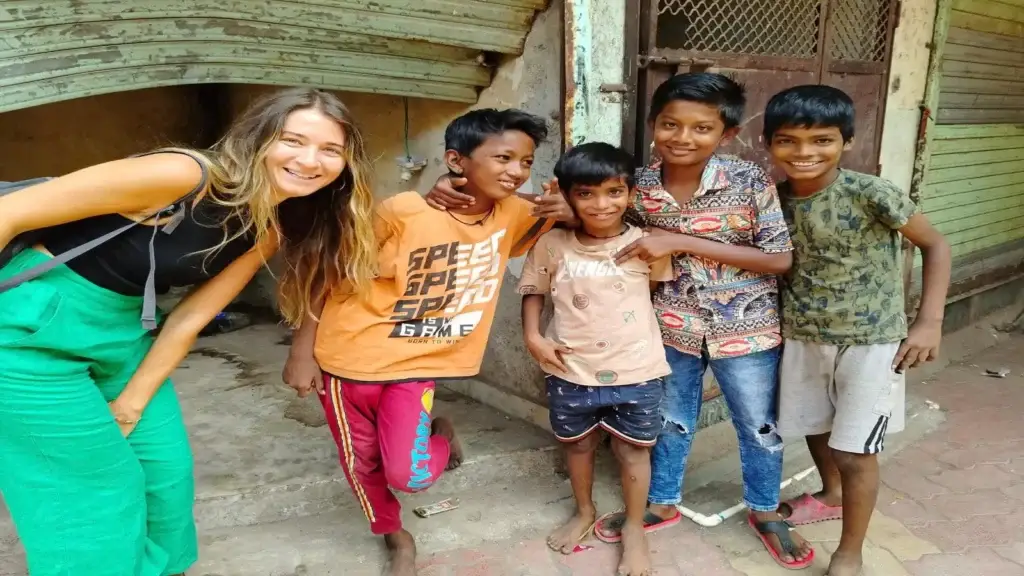
The family making clay pots exactly as their grandparents did.
The bakery filling an entire lane with the smell of fresh bread before sunrise.
That’s the Dharavi we want people to experience.
First Impressions Can Be Wrong
Travel has a funny way of changing opinions.
We’ve seen it happen countless times.
People arrive curious but unsure.
Within an hour, they’re asking questions they never expected to ask.
“How long has this pottery business been here?”
“Where are these leather bags sold?”
“I had no idea so much recycling happened here.”
That’s because Dharavi isn’t a place you simply look at.
It’s a place you learn from.
What You’ll Actually See in Dharavi
Forget the headlines for a moment.
Picture this instead.
A narrow lane where neighbours greet each other by name.
A tailor carefully stitching school uniforms.
Children laughing on their way home.
A bakery pulling fresh bread from the oven.
An artisan shaping clay with hands that have learned the same movement over decades.
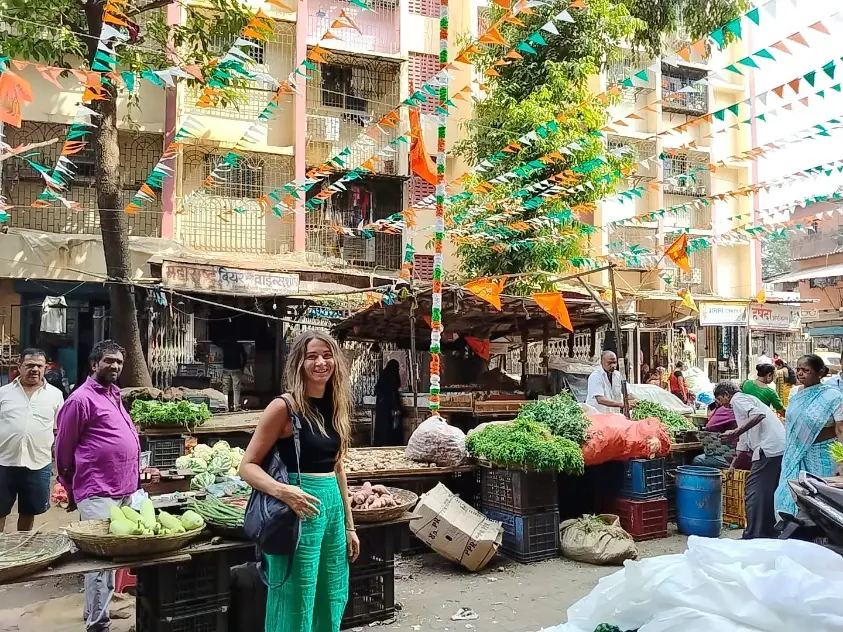
This is everyday life.
Nothing is staged.
Nothing is performed for visitors.
You’re simply walking through a working neighbourhood where thousands of people live, create, and earn a living.
Three Places That Stay With You
Leather Workshops
Dharavi is home to hundreds of small leather businesses.
Wallets.
Handbags.
Belts.
Travel accessories.
Many are handmade from start to finish.
Watching a craftsman measure, cut, stitch, and polish each piece reminds you that quality still begins with skilled hands—not machines.
Kumbharwada , Mumbai’s Pottery Village
One of the quietest corners of Dharavi is also one of the oldest.
Kumbharwada has been home to traditional potters for more than a century.
Rows of clay pots dry in the sun.
Families work together.
Children learn skills from their parents just as previous generations did.
It’s hard to believe you’re still in the middle of Mumbai.
The Recycling Industry
One of Dharavi’s biggest contributions often goes unnoticed.
Every day, recyclable materials collected across Mumbai are sorted, cleaned, and prepared for reuse here.
It’s demanding work.
But it also helps reduce waste across one of the world’s busiest cities.
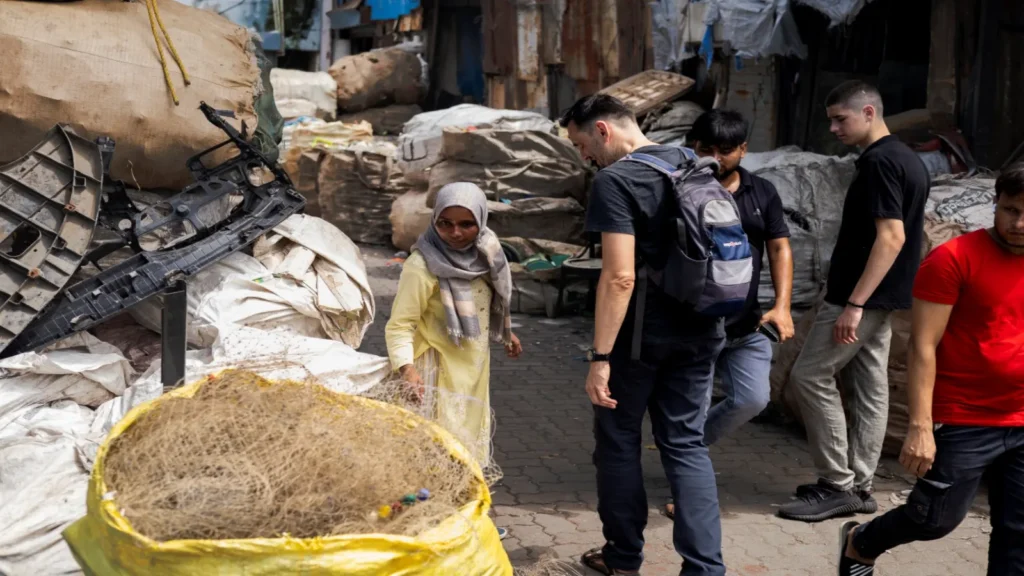
Many visitors leave with a new appreciation for the people behind this invisible part of Mumbai’s economy.
Why a Local Guide Makes All the Difference
You can walk through Dharavi on your own.
But you’ll only see streets.
A local guide helps you understand the people behind them.
They explain how workshops operate, introduce you to local business owners, and answer questions with honesty and respect.
From our experience, visitors leave with a much deeper understanding when the stories come directly from people connected to the community.
If you’re interested in experiencing this side of Mumbai, our Dharavi Slum Tour in Mumbai takes you through the neighbourhood with knowledgeable local guides who focus on its industries, culture, and everyday life—not stereotypes.
Respect Makes Every Visit Better
Dharavi isn’t a tourist attraction.
It’s someone’s home.
A little respect goes a long way.
Before You Visit
Ask before taking photographs.
Dress comfortably and modestly.
Stay with your guide.
Support local businesses whenever possible.
Keep an open mind.
The goal isn’t to “see a slum.”
It’s to understand a community.
Mumbai’s Best Stories Are Served on a Plate
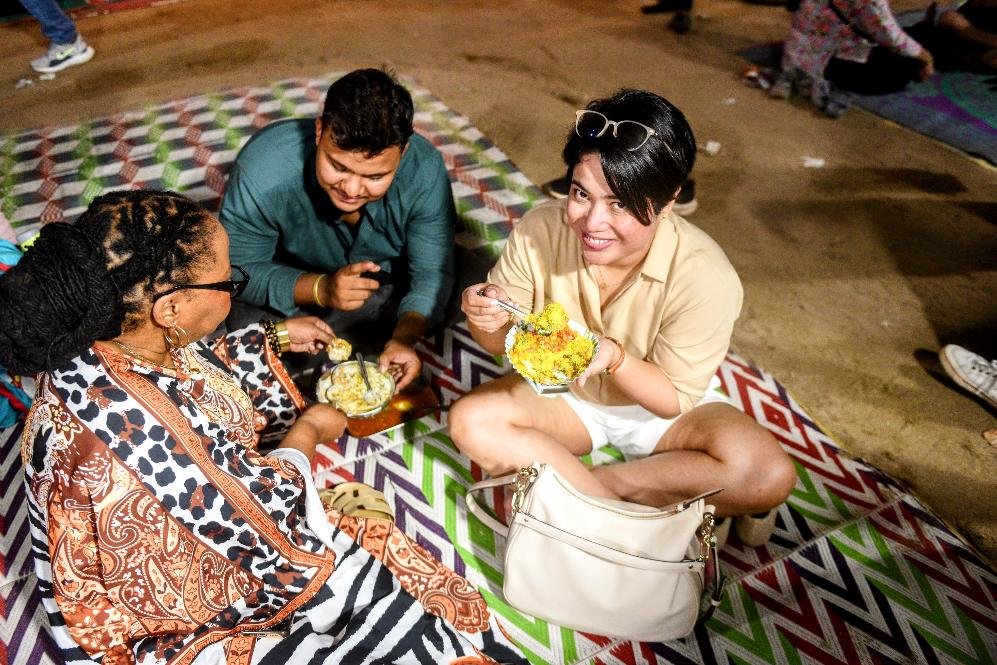
After spending the morning exploring Dharavi, there’s one more side of Mumbai waiting to be discovered—its food.
Just as Chandni Chowk tells Delhi’s story through spices, sweets, and generations-old recipes, Mumbai tells its story through its street food. Every neighbourhood has a favourite stall, every family has a recommendation, and every dish carries a piece of the city’s history.
Our guests are often surprised by how much they learn simply by eating with locals. Whether it’s a buttery plate of Pav Bhaji, a freshly made Vada Pav, crunchy Bhel Puri by the beach, or a glass of cutting chai, these simple dishes offer a genuine taste of Mumbai’s everyday life.
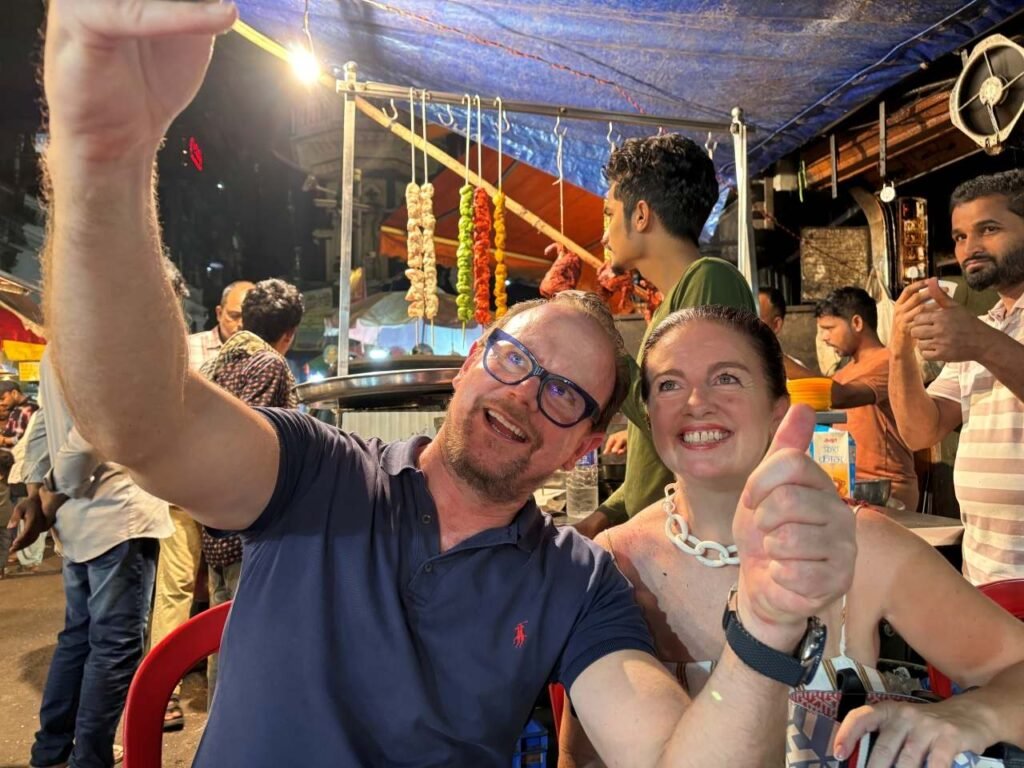
If food is your favourite way to experience a destination, our Mumbai Food Tour takes you beyond the famous snacks to historic cafés, hidden food streets, and family-run eateries where locals have been eating for decades.
Visitors enjoy authentic Mumbai street food while exploring the city’s famous food streets with a local guide.
Chandni Chowk vs Dharavi: Two Cities, One Lesson
| Chandni Chowk | Dharavi |
|---|---|
| Smells of spices and fresh jalebis | Smells of fresh bread, leather, and clay |
| Mughal-era streets | Modern working community |
| Famous for markets and food | Famous for craftsmanship and entrepreneurship |
| Best explored slowly on foot | Best experienced with a local guide |
| Rich in history | Rich in human stories |
They look completely different.
But they leave you with the same feeling.
The most memorable part of India isn’t always a famous monument.
Sometimes it’s a conversation.
A smile.
A shared cup of chai.
Or watching someone proudly show you the work they’ve spent a lifetime perfecting.
That’s the India we hope every traveller gets to experience.
Plan Your Trip: Making the Most of Chandni Chowk and Dharavi
By the time you’ve explored Chandni Chowk and Dharavi, you’ll probably notice something.
Neither place tries to impress you.
They don’t need to.
Their charm comes from real people living real lives. That’s why they leave such a lasting impression.
If you’re planning to visit both, a little preparation will make your experience much smoother.
Quick Travel Tips
Best Time to Visit
The most comfortable months are October to March.
The weather is cooler, making it much easier to walk through busy markets and narrow lanes.
If you’re visiting during summer, start early in the morning to avoid the afternoon heat.
Wear Comfortable Shoes
You’ll spend most of your time walking.
Expect around:
- Chandni Chowk: 4–5 km
- Dharavi: 2–3 km
Comfortable sneakers are much better than sandals.
Pack Light
You don’t need much.
Carry:
- A reusable water bottle
- Sunglasses
- Power bank
- Small backpack
- Cash for local shops and food stalls
The lighter you travel, the easier it is to explore.
Respect the Community
One thing we always tell our guests is simple: you’re visiting someone’s neighbourhood, not an open-air museum. Be respectful, ask before taking portraits, smile, and stay curious. We’ve found that people are often happy to share their stories when they’re approached with genuine interest and kindness.
Common Mistakes First-Time Visitors Make
❌ Trying to Rush
You can’t experience Chandni Chowk in one hour.
Slow down.
Sit for chai.
Watch people.
That’s where the magic is.
❌ Only Visiting Famous Spots
Some of the best experiences happen away from the main road.
Turn into a side lane.
Visit a local bakery.
Watch an artisan work.
Those moments often become the highlight of the day.
❌ Judging Dharavi Before Visiting
Many travellers arrive with assumptions.
Almost everyone leaves with a different perspective.
Keep an open mind.
You’ll discover a hardworking community filled with entrepreneurs, artists, and skilled craftspeople.
A Perfect Two-Day Itinerary
Day 1 : Old Delhi
Start your morning in Chandni Chowk.
- Walk through Khari Baoli Spice Market
- Visit Jama Masjid
- Explore hidden heritage lanes
- Try fresh Jalebi, Parathas, and Dahi Bhalla
- End the day at the Red Fort or enjoy sunset at Raj Ghat
Day 2 : Mumbai
Start your morning with a Dharavi Slum Tour in Mumbai.
You’ll meet local artisans, visit pottery and leather workshops, and learn how thousands of small businesses keep this community thriving.
After lunch, discover another side of the city through its food.
From buttery Pav Bhaji to iconic Vada Pav and historic Irani cafés, every stop tells a different story about Mumbai.
Finish the evening with a walk along Marine Drive as the sun sets over the Arabian Sea.
Frequently Asked Questions
Is Chandni Chowk worth visiting?
Absolutely.
If you enjoy local food, history, photography, and people-watching, it’s one of the most rewarding places in Delhi.
Is Dharavi safe for tourists?
Yes.
Guided daytime tours are safe and offer the best way to understand the neighbourhood respectfully while supporting local communities.
How much walking is involved?
Expect around 4–5 km in Chandni Chowk and 2–3 km in Dharavi.
Wear comfortable shoes and stay hydrated.
Can I take photographs?
Yes, but always ask before photographing people or private workshops.
Respect comes first.
Should I visit with a guide?
From our experience, yes.
A local guide helps you discover hidden places, explains the stories behind the streets, and introduces you to people you would probably never meet on your own.
Final Thoughts: India Isn’t Just Seen, It’s Felt
You’ll probably take hundreds of photos during your trip to India. The Taj Mahal at sunrise, the Gateway of India, and colourful streets filled with life will all find a place in your camera roll.
But years later, those photos probably won’t be the first thing you remember.
Instead, you’ll remember the cup of chai shared with a stranger in Chandni Chowk, the aroma of spices drifting through Khari Baoli, the craftsman in Dharavi proudly showing you a handmade leather bag, or the bakery owner who insisted you taste fresh bread before you left.
Those small moments stay with you because they’re real. Over the years, we’ve seen travellers return home with thousands of photos, but it’s the unexpected conversations and everyday experiences they talk about the most.
So yes, visit the famous monuments. Stand before the Taj Mahal, watch the sunset at Marine Drive, and explore the landmarks you’ve always dreamed of seeing.
But don’t stop there.
Leave time for the streets. Walk a little slower, say yes to a cup of chai, and spend a few extra minutes talking to the people who call these neighbourhoods home.
Because sometimes, the busiest streets tell the most unforgettable stories.