

Know All About the Golden Temple Amritsar, Punjab, India – History, Architecture & Visitor’s Guide
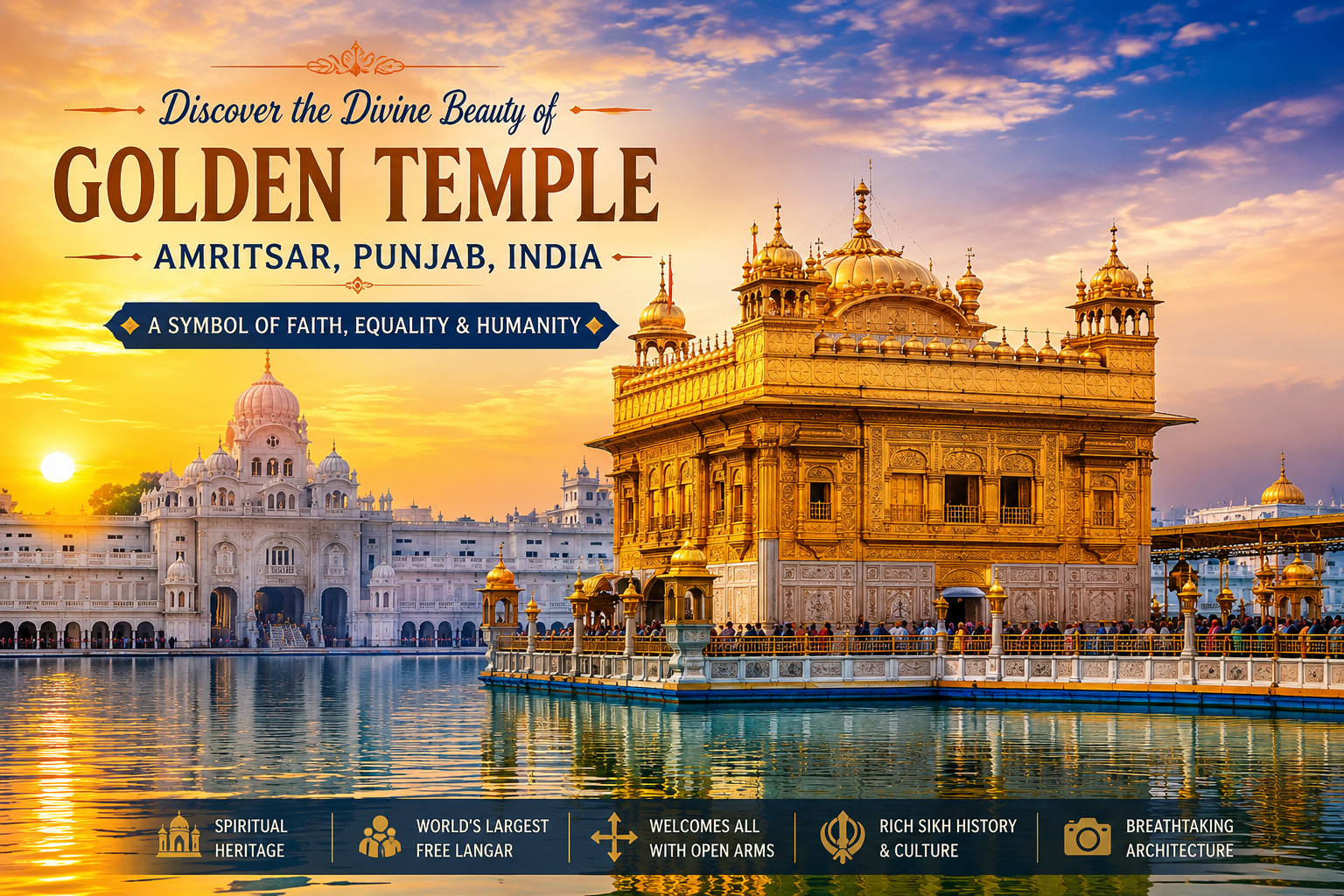
The Golden Temple Amritsar Punjab India, also known as Sri Harmandir Sahib or Darbar Sahib, is one of the world’s most inspiring spiritual destinations. Revered as India’s Golden Temple, this sacred Sikh shrine welcomes millions of pilgrims and travelers every year, regardless of religion, nationality, or background.
Located in the heart of Amritsar, Punjab, the temple is admired not only for its breathtaking gold-covered structure but also for its timeless message of equality, compassion, and selfless service. Surrounded by the sacred Amrit Sarovar (Pool of Nectar), the shimmering temple creates an unforgettable sight at sunrise and after sunset when thousands of lights illuminate its golden façade.
If you’re planning a North India itinerary, consider combining Amritsar with Taj Explorer’s Golden Triangle Tour with Amritsar for a seamless cultural and heritage experience.
Whether you’re planning a spiritual pilgrimage, a cultural journey through Punjab, or adding Amritsar to your luxury India itinerary, the Golden Temple of Amritsar promises an experience unlike any other. Its peaceful atmosphere, magnificent architecture, soulful hymns, and world-famous community kitchen (Langar) leave visitors with memories that last a lifetime.
At Taj Explorer, we recommend including Amritsar in a customized North India itinerary or combining it with a Golden Triangle tour for an unforgettable heritage experience.
Why the Golden Temple Is One of India’s Most Important Spiritual Landmarks
Among all religious monuments in the country, the Golden Temple in India occupies a unique place. It is the holiest shrine in Sikhism and serves as the spiritual center for millions of Sikhs around the world.
Unlike many religious sites, Punjab India Golden Temple welcomes everyone without discrimination. People of every faith, culture, and nationality are invited to enter its sacred grounds, share a meal, and experience the Sikh principles of humility, equality, and service.
Every day, tens of thousands of visitors walk barefoot along the marble pathway surrounding the holy pool while devotional hymns echo through the complex. The peaceful environment offers a welcome escape from the busy streets of Amritsar.
The temple becomes especially magnificent during major Sikh festivals such as:
- Vaisakhi
- Guru Nanak Gurpurab
- Guru Ram Das Ji’s Birthday
- Guru Tegh Bahadur Martyrdom Day
- Diwali
During Diwali, thousands of earthen lamps and spectacular fireworks transform the complex into one of the most beautiful religious celebrations in India.
Golden Temple India History: A Journey Through Time
Understanding the Golden Temple India history helps visitors appreciate its profound religious and cultural significance.
Foundation of the Sacred Shrine
The origins of the Golden Temple Amritsar India date back to the late 16th century. The site was envisioned by Guru Ram Das, the fourth Sikh Guru, who founded the city of Amritsar around a sacred water tank.
Construction of the temple began under Guru Arjan in 1581 and was completed in 1588. In 1604, Guru Arjan placed the Guru Granth Sahib inside the shrine, making it the spiritual heart of Sikhism.
For the latest information on temple history, ceremonies, and visitor guidelines, visit the official Shiromani Gurdwara Parbandhak Committee (SGPC) website.
One remarkable aspect of the temple’s history is that its foundation stone was laid by the revered Sufi saint Mian Mir, symbolizing harmony between different faiths.
Challenges and Reconstruction
Throughout history, Golden Temple Punjab history has witnessed repeated invasions and destruction.
During the 18th century, Afghan invaders attacked the shrine several times. However, the Sikh community consistently rebuilt it with unwavering determination, preserving its spiritual identity through every challenge.
The present-day structure largely dates back to the reconstruction led by Sikh leaders in the mid-1700s.
Maharaja Ranjit Singh’s Golden Gift
One of the defining moments in India Gold Temple history came in 1830 when Maharaja Ranjit Singh sponsored an extensive renovation.
He ordered the upper floors of the shrine to be covered with pure gold leaf, transforming Harmandir Sahib into the magnificent Golden Temple admired today.
More than 750 kilograms of gold were reportedly used to decorate the temple’s domes and exterior, giving the shrine its iconic golden appearance reflected beautifully in the sacred waters.
Operation Blue Star and Restoration
A significant chapter in Golden Temple Punjab history occurred in 1984 during Operation Blue Star, when military action inside the complex caused severe damage to the shrine and resulted in tragic loss of life.
Following the conflict, the Sikh community united once again to restore the temple with remarkable dedication, ensuring that it continued to serve as a symbol of faith, resilience, and hope.
Today, visitors see a beautifully restored sanctuary that reflects centuries of devotion and perseverance.
The Magnificent Architecture of the Golden Temple Amritsar
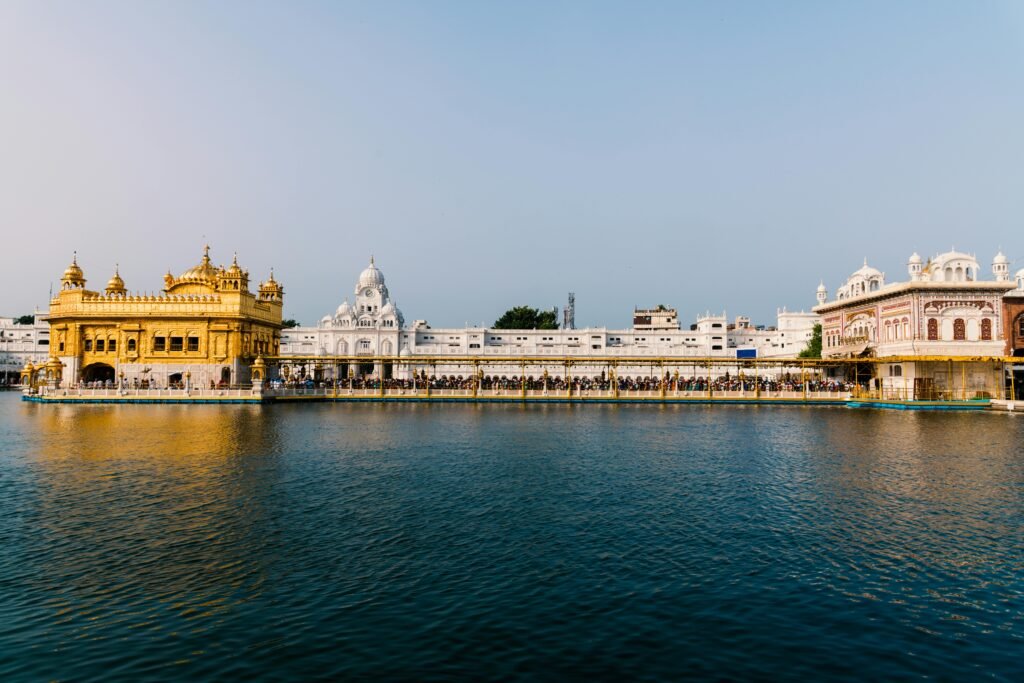
Few monuments in Asia combine spiritual symbolism and artistic brilliance as beautifully as Golden Temple in Amritsar India.
Situated in the center of the sacred Amrit Sarovar, the temple appears to float gracefully on the water, connected to the marble pathway by a narrow causeway.
This remarkable design symbolizes the spiritual journey from the material world toward enlightenment.
A Blend of Architectural Styles
The architecture represents a harmonious fusion of:
- Sikh architecture
- Rajput craftsmanship
- Mughal artistry
- Indo-Islamic influences
Unlike many temples built on elevated platforms, the Golden Temple of Amritsar was intentionally constructed at a lower level. Visitors descend a flight of steps before entering the shrine, symbolizing humility before God.
Exterior Beauty
The temple’s dazzling exterior is one of its greatest attractions.
Highlights include:
- Gold-plated upper structure
- Marble lower walls with intricate carvings
- Magnificent gold dome inspired by an inverted lotus
- Delicate floral engravings
- Ornamental balconies
- Beautifully decorated arches
- Reflective views across the holy pond
At sunrise and sunset, the shimmering reflections create one of India’s most photographed landscapes.
Stunning Interior Design
Inside the shrine, visitors discover an extraordinary display of craftsmanship.
The interiors feature:
- Gold-embossed ceilings
- Precious stone inlay work
- Hand-painted floral motifs
- Exquisite frescoes
- Ornamental marble panels
- Sacred Sikh verses inscribed in elegant calligraphy
Continuous devotional music (Kirtan) performed throughout the day enhances the peaceful atmosphere, making every visit deeply moving for pilgrims and travelers alike.
The Spiritual Meaning Behind the Four Entrances
One of the most unique aspects of India’s Golden Temple is its four entrances, facing north, south, east, and west.
These gateways symbolize that people from every direction, religion, caste, nationality, and social background are equally welcome.
This powerful architectural feature reflects the Sikh principles of:
- Equality
- Brotherhood
- Compassion
- Universal acceptance
- Service to humanity
It is this message of openness that continues to inspire millions of visitors from around the world each year.
Daily Ceremonies at the Golden Temple Amritsar
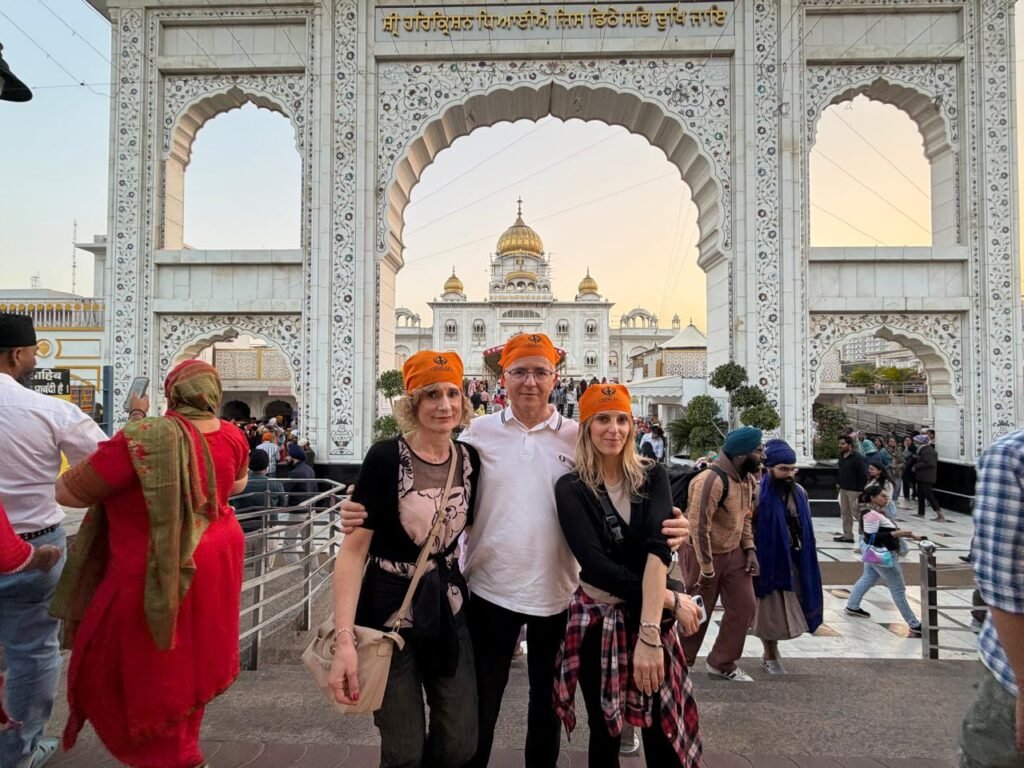
One of the most memorable aspects of visiting the Golden Temple Amritsar Punjab India is witnessing its sacred daily ceremonies. These centuries-old rituals are performed with great devotion and reflect the spiritual traditions of Sikhism. Whether you arrive early in the morning or stay until nightfall, each ceremony offers a peaceful and deeply moving experience.
Prakash Ceremony – The Morning Ritual
The day begins before sunrise with the Prakash Ceremony, one of the most sacred rituals at the Golden Temple in India.
During this ceremony, the Guru Granth Sahib, the holy scripture of Sikhism, is respectfully carried from the Akal Takht to the sanctum of the temple in a beautifully decorated palanquin. Devotees accompany the procession while devotional hymns (Kirtan) fill the air, creating an atmosphere of peace and reverence.
Visitors often describe this ceremony as one of the most spiritual experiences in India’s Golden Temple.
Sukhasan Ceremony – The Evening Ritual
As the day comes to an end, the Sukhasan Ceremony marks the closing of the shrine.
The Guru Granth Sahib is respectfully placed inside an ornate palanquin and carried back to the Akal Takht while hymns are sung by the congregation. The scripture is then ceremonially placed on a decorated bed for the night.
Watching this peaceful procession under the illuminated golden domes is an unforgettable experience for anyone visiting the Golden Temple Amritsar India.
Experience the World’s Largest Community Kitchen (Langar)
No visit to Golden Temple in Amritsar India is complete without experiencing its world-famous Langar, a remarkable tradition that symbolizes equality and selfless service.
Every visitor—regardless of religion, nationality, age, or social status—is invited to sit together on the floor and enjoy a freshly prepared vegetarian meal free of charge.
The Langar is entirely supported by volunteers and donations from devotees around the world.
Every day, approximately 100,000 people are served, while the number often doubles during major festivals.
Meals typically include:
- Fresh chapati (Indian bread)
- Dal (lentils)
- Seasonal vegetables
- Rice
- Kheer or sweet dessert on special occasions
- Drinking water and tea
The scale of the operation is extraordinary. Thousands of volunteers help prepare food, wash utensils, serve meals, and maintain cleanliness throughout the day.
For many travelers, participating in the Langar becomes the highlight of their visit to Punjab India Golden Temple, offering a firsthand experience of Sikh values such as humility, generosity, and community service.
Things to See Inside the Golden Temple Complex
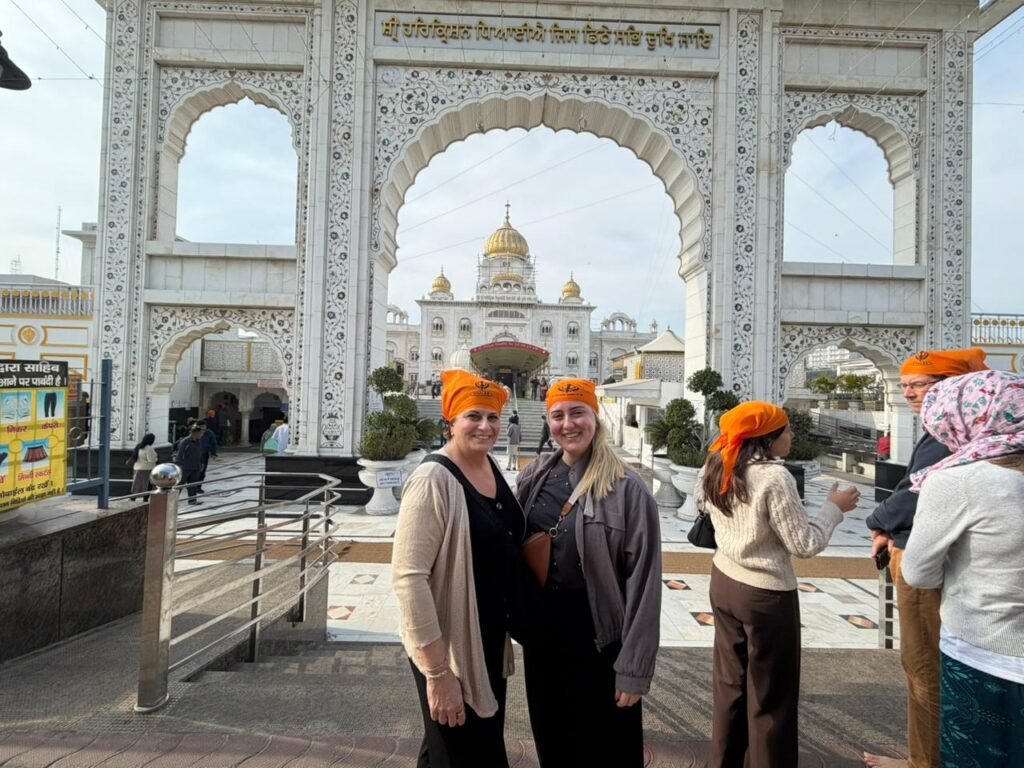
The Golden Temple Amritsar Punjab India is much more than its iconic golden shrine. The sprawling complex is home to several historic and spiritual landmarks that visitors should explore.
Akal Takht
Standing directly opposite the Golden Temple, the Akal Takht is one of the five highest seats of authority in Sikhism.
Established by Guru Hargobind, it represents justice, courage, and temporal authority. Important religious announcements and community decisions are made here.
Amrit Sarovar
The sacred pool surrounding the Golden Temple of Amritsar is known as the Amrit Sarovar, meaning “Pool of Nectar.”
Pilgrims believe its holy waters possess spiritual significance, and many devotees take a ceremonial dip before offering prayers inside the shrine.
The reflection of the golden temple shimmering across the calm waters creates one of India’s most iconic views.
Guru Ram Das Langar Hall
The Langar Hall is one of the busiest sections of the complex.
Here, thousands of volunteers work tirelessly throughout the day to prepare and serve meals. Visitors are welcome not only to eat but also to participate in voluntary service, known as Seva, by helping clean, cook, or distribute food.
Sikh Central Museum
History enthusiasts should not miss the Central Sikh Museum.
The museum showcases:
- Paintings of Sikh Gurus
- Historical manuscripts
- Traditional weapons
- Rare photographs
- Stories of Sikh martyrs
- Important events in Sikh history
It provides valuable insights into the evolution of Sikh culture and heritage.
Ber Baba Budha Ji Tree
Inside the complex stands the sacred Ber Baba Budha Ji Tree, believed to be more than 400 years old.
According to Sikh tradition, Baba Budha supervised the construction of the Golden Temple while sitting beneath this tree.
Today it remains an important place of prayer for many devotees.
Historic Clock Tower
Located near the main entrance, the colonial-era Clock Tower welcomes visitors into the complex.
Although rebuilt over time, it continues to serve as one of the recognizable landmarks of the Golden Temple in India.
Fascinating Facts About India’s Golden Temple
Even frequent travelers are surprised by some remarkable facts about India Gold Temple.
1. Four Entrances Welcome Everyone
Unlike many religious sites, the temple has four entrances facing all directions, symbolizing equality and openness to people from every religion, caste, and nationality.
2. Foundation Stone Was Laid by a Muslim Saint
The foundation stone was laid by the respected Sufi saint Mian Mir, highlighting the message of interfaith harmony.
3. Over Three Million Visitors Every Month
The Golden Temple receives millions of pilgrims and tourists each month, making it one of the most visited religious sites in the world.
4. Home to the World’s Largest Free Kitchen
The Langar serves approximately one lakh meals daily and many more during Sikh festivals, making it the largest free community kitchen in the world.
5. Built Below Ground Level
Unlike most temples that stand on elevated platforms, the Golden Temple Amritsar India is built lower than the surrounding land to symbolize humility.
6. Gold Covers the Upper Structure
The temple’s magnificent appearance comes from hundreds of kilograms of gold used to decorate its upper floors and dome during the reign of Maharaja Ranjit Singh.
Best Places to Visit Near the Golden Temple
Your journey doesn’t end after visiting Golden Temple in Amritsar India. The surrounding city is filled with historic landmarks, vibrant markets, and cultural attractions that beautifully complement your visit.
1. Jallianwala Bagh (600 meters)
Located just a few minutes’ walk from the temple, Jallianwala Bagh commemorates one of India’s most significant moments in the struggle for independence. Visitors can still see preserved bullet marks and memorials dedicated to those who lost their lives during the tragic events of 1919.
2. Gurudwara Baba Atal Rai (750 meters)
This distinctive nine-storey tower honors Baba Atal Rai, the son of Guru Hargobind. The shrine offers panoramic views of Amritsar and showcases remarkable Sikh architecture.
3. Durgiana Temple (1.3 km)
Often compared to the Golden Temple because of its beautiful lake setting, Durgiana Temple is dedicated to Goddess Durga and attracts thousands of Hindu pilgrims every year.
4. Gobindgarh Fort (2.1 km)
A beautifully restored heritage fort, Gobindgarh Fort offers cultural performances, museums, Punjabi cuisine, laser shows, and exhibitions showcasing the history of Punjab.
5. Hall Bazaar (2.1 km)
Hall Bazaar is one of the city’s most vibrant shopping destinations, where visitors can purchase:
- Punjabi juttis
- Phulkari embroidery
- Traditional jewelry
- Dry fruits
- Papad and pickles
- Souvenirs
- Authentic Amritsari street food
Its lively atmosphere makes it a favorite stop for both domestic and international tourists.
Best Time to Visit the Golden Temple Amritsar
The Golden Temple Amritsar Punjab India welcomes visitors throughout the year, but the experience varies with each season. Choosing the right time can make your journey even more memorable.
October to March – The Ideal Season
Winter is widely regarded as the best time to visit the Golden Temple in India. Pleasant temperatures ranging from 8°C to 22°C make sightseeing comfortable, allowing you to explore the temple complex, heritage sites, and bustling markets without the intense summer heat.
This season is also perfect for combining Amritsar with destinations like Delhi, Agra, Jaipur, or Himachal Pradesh.
April to June – Summer Season
Summers in Punjab can be extremely hot, with temperatures often exceeding 40°C. If you’re visiting during this time, plan your temple visit early in the morning or after sunset when the weather is more comfortable and the illuminated temple creates a magical atmosphere.
July to September – Monsoon Season
The monsoon brings occasional rainfall and cooler temperatures. While the temple remains open throughout the season, the reduced tourist crowds make it an excellent time for peaceful exploration and photography.
Festivals Worth Experiencing
If you want to witness India’s Golden Temple at its most vibrant, plan your visit during:
- Vaisakhi
- Guru Nanak Gurpurab
- Diwali
- Guru Ram Das Ji Gurpurab
During these celebrations, the temple is beautifully decorated with lights, flowers, and thousands of oil lamps, creating one of the most spectacular religious celebrations in India.
How to Reach the Golden Temple
The Golden Temple in Amritsar India is easily accessible from major Indian cities and international destinations.
By Air
Sri Guru Ram Dass Jee International Airport is located approximately 13 km from the temple and offers regular domestic and international flights.
By Train
Amritsar Junction Railway Station is one of North India’s busiest railway stations, connecting Amritsar with Delhi, Mumbai, Jaipur, Kolkata, Chandigarh, and other major cities.
By Road
Amritsar enjoys excellent road connectivity through national highways. Luxury buses, taxis, and private vehicles regularly operate from:
- Delhi
- Chandigarh
- Jammu
- Shimla
- Dharamshala
For maximum comfort, many travelers choose private chauffeur-driven vehicles, especially when combining Amritsar with the Golden Triangle circuit.
Visitor Guidelines for the Golden Temple
Respecting the traditions of the Golden Temple of Amritsar enhances your experience and helps preserve the sanctity of this sacred site.
Dress Modestly
Wear clothing that covers your shoulders and knees. Respectful attire is expected from all visitors.
Cover Your Head
Both men and women must cover their heads before entering the temple complex. Scarves and head coverings are available free of charge near the entrance.
Remove Footwear
Shoes and socks must be removed before entering. Free shoe storage facilities are provided.
Wash Hands and Feet
Visitors should wash their hands and feet in the designated areas before entering the main complex.
Maintain Silence
The temple is an active place of worship. Speak softly and avoid disturbing worshippers.
Photography
Photography is permitted in most outdoor areas, but visitors should avoid photographing inside the sanctum or disturbing religious ceremonies.
Participate in Langar
Don’t miss the opportunity to enjoy the free community meal. Visitors are also welcome to volunteer in food preparation or cleaning as part of Seva, the Sikh tradition of selfless service.
Respect Religious Customs
Follow the queue system, avoid smoking or consuming alcohol nearby, and always respect ongoing prayers and ceremonies.
Why Visit the Golden Temple with Taj Explorer?
At Taj Explorer, we believe every journey should be meaningful, comfortable, and unforgettable. Our carefully designed Punjab and North India tours allow travelers to experience the Golden Temple Amritsar India with knowledgeable local guides, comfortable transportation, and thoughtfully planned itineraries.
Whether you’re interested in spirituality, architecture, photography, or cultural heritage, our private tours ensure you experience Amritsar beyond the ordinary.
Explore our Golden Triangle Tour Packages to combine Delhi, Agra, Jaipur, and Amritsar in one unforgettable private journey.
Many international travelers combine Amritsar with our:
- Golden Triangle Tours
- Golden Triangle with Amritsar
- Golden Triangle with Himachal Pradesh
- Golden Triangle with Varanasi
- Luxury North India Tours
- Customized Private India Tours
With Taj Explorer, you enjoy:
- Private air-conditioned transportation
- Experienced local guides
- Flexible itineraries
- Handpicked accommodations
- Personalized travel planning
- 24/7 travel assistance
Our mission is to help you discover India’s most iconic destinations while enjoying comfort, authenticity, and exceptional service.
Frequently Asked Questions
Is the Golden Temple free to visit?
Yes. Entry to the Golden Temple in India is completely free for everyone, regardless of nationality or religion.
How much time should I spend at the Golden Temple?
Most visitors spend 2–4 hours exploring the complex, while those wishing to attend ceremonies or enjoy Langar may stay longer.
Can non-Sikhs visit the Golden Temple?
Absolutely. People from all religions and backgrounds are warmly welcomed.
What is the best time of day to visit?
Early morning offers peaceful surroundings and beautiful sunrise reflections, while evening provides spectacular illuminated views of the Golden Temple of Amritsar.
Is photography allowed?
Photography is allowed in most outdoor areas but should always be respectful of worshippers and temple rules.
Final Thoughts
The Golden Temple Amritsar Punjab India is far more than a magnificent monument. It is a living symbol of faith, equality, compassion, and service that continues to inspire millions of visitors every year.
From its fascinating Golden Temple India history and breathtaking architecture to its world-famous Langar and serene spiritual atmosphere, every corner of this sacred shrine tells a story of resilience, devotion, and humanity.
Whether you’re exploring Punjab for the first time or planning a comprehensive North India journey, the Golden Temple Amritsar India deserves a place at the top of your travel itinerary.
With Taj Explorer’s personalized tours, experienced guides, and seamless travel services, you can discover not only Punjab India Golden Temple but also India’s most iconic cultural and historical destinations in comfort and style.
Ready to experience the Golden Temple and India’s most iconic destinations? Contact Taj Explorer today to plan your personalized private tour.