Essential Tips for Traveling to India: A First-Time Visitor’s Complete Guide
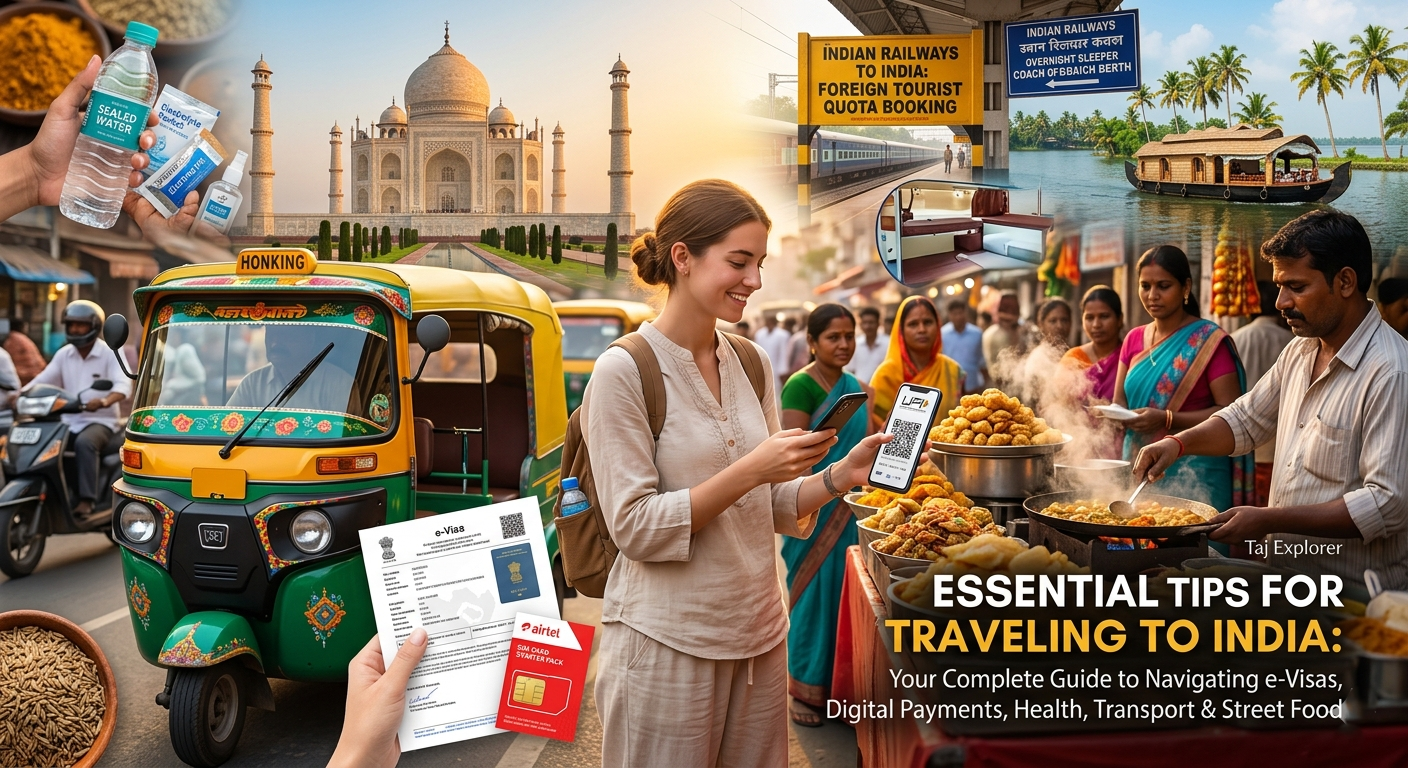
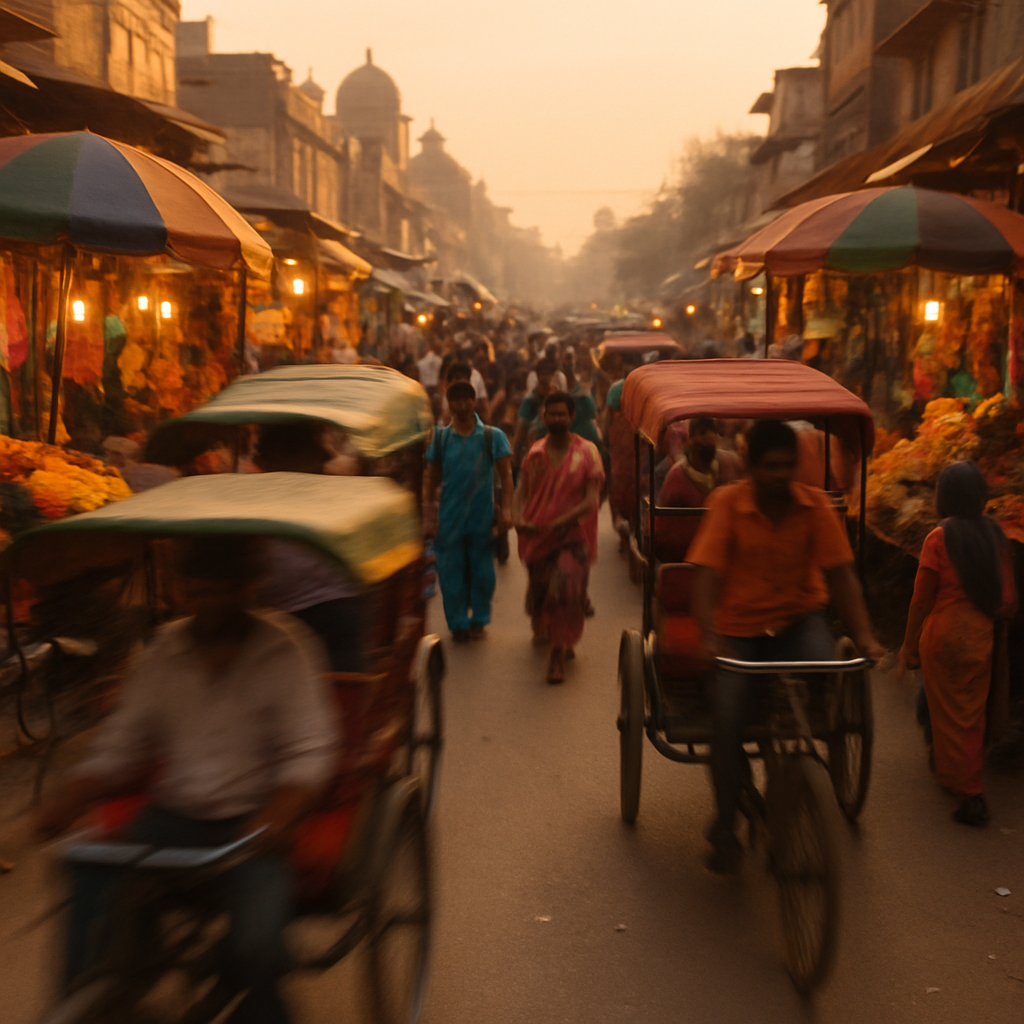
Imagine stepping out of the airport terminal and immediately catching the scent of roasted cumin mixed with the rhythmic honking of motorized rickshaws. That first moment of traveling to India usually hits all five senses simultaneously, which is exactly why many visitors experience a brief wave of arrival anxiety. In practice, this vibrant welcome is just the outer shell of a deeply functional daily rhythm.
Have you ever heard people describe the country as a place of overwhelming chaos? You’ve likely heard that narrative, but a good India travel guide will tell you it is far more accurately a “Land of Layers.” Peeling back that first bustling layer reveals a society operating on its own unique logic, where patience quickly becomes your most valuable currency.
According to veteran globetrotters, assuming the whole country looks and acts like Delhi is the most common beginner mistake. To truly discover India, you must understand its regional diversity; think of the snowy peaks of the northern Himalayas and the tropical palm-fringed backwaters of southern Kerala as entirely different environments sharing a single border. Moving between these areas requires shifting your expectations regarding climate, local languages, and even how spicy your evening meal will be.
For travelers seeking a smooth and personalized experience, Taj Explorer specializes in curated luxury India tours, heritage travel experiences, and customized journeys across the country. Whether you are planning a private Golden Triangle itinerary or a luxury Taj Mahal tour, seamless planning makes all the difference.
Navigating these diverse regions naturally triggers a predictable emotional cycle for first-time visitors. Travel psychologists and seasoned backpackers alike note that guests often move from initial shock, into deep curiosity, and finally toward profound appreciation. As you adjust to the new pace, the initial sensory overload transforms into an ability to spot quiet, beautiful moments right in the middle of a crowded street.
Before you can confidently explore India and experience those moments yourself, you need a solid foundation in the practical essentials. Securing your digital e-Visa, understanding baseline health precautions like bottled water safety, and decoding the domestic train booking system are your first crucial steps. Once these logistical pillars are firmly in place, you can stop worrying about the background details and focus entirely on the journey ahead.
Skipping the Queue: A Practical Guide to the Indian e-Tourist Visa and Entry Requirements
Getting permission to enter India is now simpler than ever. Most international travelers can apply online through the official Indian e-Visa portal without mailing their passports to an embassy.
To avoid the formatting errors that commonly trigger application rejections, gather your materials before opening the portal. The Indian e-visa application process for tourists requires three critical items:
- A square digital photograph of your face against a white background.
- A clear passport PDF scan of your main information page.
- A valid credit card to process the fee.
Travelers of Indian heritage have a completely different pathway available. If you hold Overseas Citizen of India (OCI) status, which functions as a lifelong visa, you bypass the e-TV system entirely. Traveling to India with OCI card privileges means you simply present this document alongside your valid passport at immigration for seamless entry. With your digital paperwork approved and securely saved on your phone, the biggest administrative hurdle is officially behind you.
Timing Your Arrival: Decoding India’s Seasonal Weather to Avoid the Monsoon Mud
Asking When should I go to India? is a bit like asking for the weather in all of Europe at once. Because the country stretches from the snowy Himalayas in the north to the tropical beaches of the south, regional climates vary wildly. However, finding the best time to visit India—weather by month and climate patterns considered—usually comes down to three seasonal rhythms.
To pinpoint the exact month for your specific destination, use this general breakdown:
Peak Season (October to March)
This period offers pleasant temperatures ideal for visiting northern destinations like the Taj Mahal, Jaipur forts, and Delhi monuments. It is also the most popular time for luxury Golden Triangle tours.
Travelers interested in private cultural journeys often choose packages like the Golden Triangle Tour Packages from Delhi for comfortable sightseeing during the cooler months.
Shoulder Season (April to May)
Temperatures rise sharply across northern India, but fewer crowds and discounted luxury hotels make this a smart time for budget-conscious travelers seeking premium experiences.
Monsoon Season (June to September)
Heavy rains transform landscapes into lush green scenery, especially in southern India and Kerala. While sightseeing can occasionally be disrupted, monsoon travel offers unique photography opportunities and quieter tourist attractions.
Traveling outside the busy winter months offers a massive advantage for budget-conscious explorers. During the warm spring “Shoulder Season,” luxury hotels and domestic flights often drop their prices by up to 40%. Meanwhile, the summer monsoon isn’t just a light shower; it is a torrential, rhythmic weather cycle that transforms southern landscapes into vibrant green paradises, even if it occasionally washes out northern sightseeing plans. Understanding these regional peaks ensures you pack the right clothes and set realistic daily expectations.
Staying Healthy in the Heat: Essential Vaccinations and the ‘Boiled, Peeled, Cooked’ Rule
Prepping for a new climate is just as crucial as packing your suitcase, making solid India travel advice invaluable. When researching traveling to India vaccines, scheduling a clinic visit early is key. Doctors universally suggest essential vaccinations and health precautions for India, like Hepatitis A and Typhoid, to act as your internal armor against unfamiliar microbes.
Upon arrival, surviving the frequent 40-degree heat requires more than just drinking sealed bottled water. Heavy sweating depletes vital minerals that plain water alone cannot replace. This is where hydration salts—simple electrolyte packets dissolved in purified water—become your ultimate defense against heat exhaustion and daily dehydration.
Dining safely revolves around one golden rule: “Boil it, peel it, cook it, or forget it.” This straightforward mantra is your best shield against “Delhi Belly,” a common stomach upset caused by encountering new regional bacteria. Stick to piping hot meals or thick-skinned fruits like bananas, and politely skip raw street salads or ice cubes.
To handle these physical adjustments smoothly, pack a targeted health kit containing:
- Probiotics to support your digestion.
- Electrolyte packets for rapid hydration.
- Hand sanitizer for pre-meal cleaning.
- Prescribed antibiotics from your doctor.
Mastering the Digital Rupee: How to Use UPI and Local SIM Cards to Pay Like a Local
Stepping off the plane, your first instinct might be to rely on your home network, but a crucial part of India trip planning involves embracing the local digital economy. While cash is helpful, you will quickly encounter the “no change” dilemma at small street stalls. Vendors often prefer digital transfers over breaking a large 500-rupee note for a 20-rupee cup of chai.
Solving this requires a reliable internet connection and an Indian phone number, making a local SIM card versus international roaming options an easy choice. A local number lets you receive an OTP (One-Time Password)—the essential texted security code required to register for domestic travel apps. Save hours of running around the city by handling this right at the airport arrivals hall:
- Locate the official Airtel or Jio kiosks immediately after clearing customs.
- Present your passport, printed e-Visa, and first hotel address.
- Ask for the pre-loaded “tourist pack” and have the agent activate it on-site before you leave.
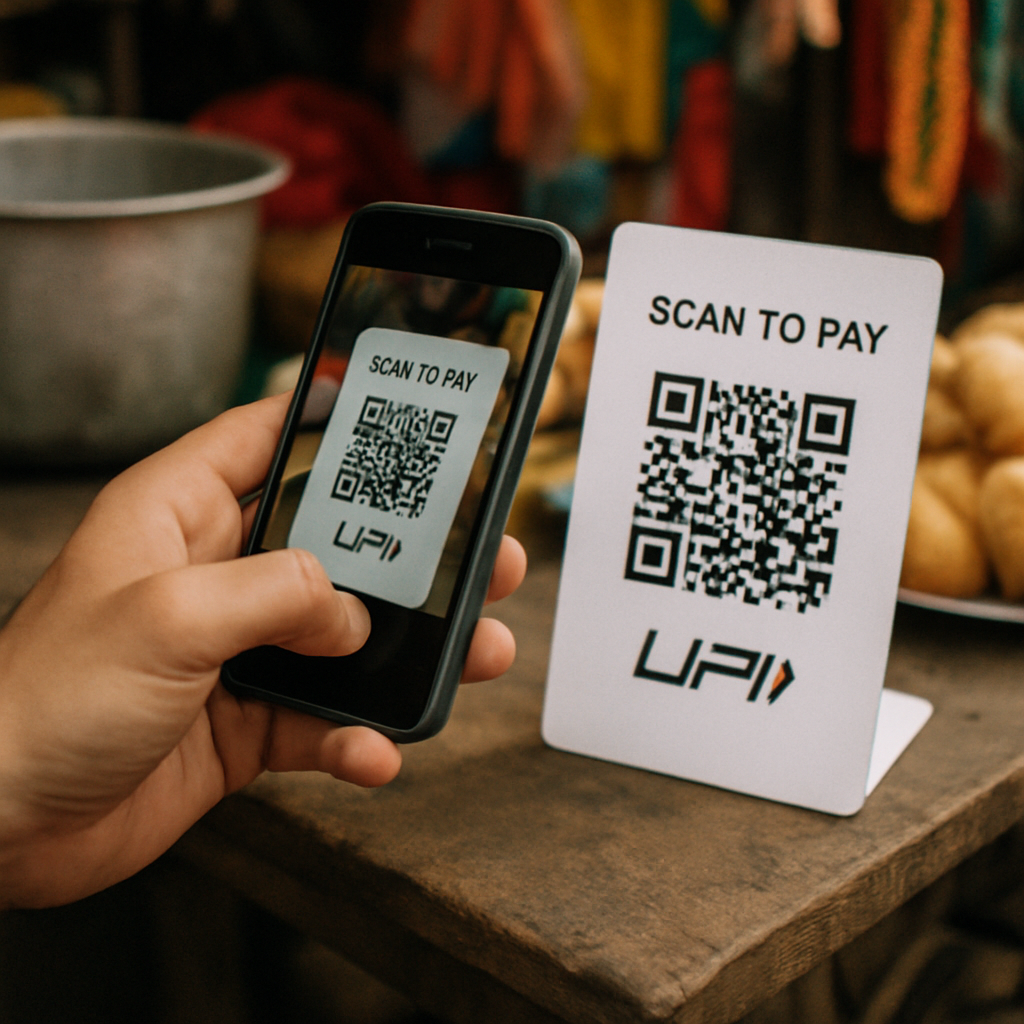
With your phone connected, you are ready to tackle India’s technological marvel: UPI (Unified Payments Interface). Think of UPI as a nationwide version of Venmo or Apple Pay, used by everyone from luxury boutiques to roadside fruit vendors. Figuring out how to use UPI payments as a foreign tourist used to be impossible, but recent updates allow visitors to link their home credit cards to tourist-specific digital wallet apps like CheqUPI or Fave. Once your wallet is topped up, buying a snack becomes incredibly smooth—you simply scan a barcode, tap confirm, and bypass the hassle of coins entirely.
Decoding the Rails: Navigating the IRCTC System and Securing Your Train Berth
With your smartphone connected, you are ready to tackle one of the world’s largest transport networks. Successfully booking trains on IRCTC for foreigners requires an active mobile number to create an online account. Think of these overnight rail routes as rolling hotels that efficiently move you across vast regional distances while you sleep.
Choosing the right comfort level is your next priority. The railways use a simple tier system:
- 1AC: Private lockable cabins offering maximum privacy and space.
- 2AC: Open-plan compartments with privacy curtains and four beds per bay. This is the ultimate sweet spot for tourists.
- 3AC: Similar to 2AC but with six beds per bay, offering less headroom but a lively local atmosphere.
- Sleeper: Non-air-conditioned cars with open windows, best reserved for short daytime trips.
Booking early through the official IRCTC railway booking platform is strongly recommended.
If you prefer stress-free transportation, many travelers choose curated private tours such as the 3 Days Golden Triangle Tour or the Golden Triangle Tour 5 Day, which include transportation, guides, and accommodations.
Eating Without Fear: 5 Golden Rules for Enjoying Indian Street Food Safely
Stepping out of the station, the sizzle of frying oil instantly grabs your attention. While common tips for traveling to India suggest avoiding street food entirely, skipping it means missing the country’s culinary heart. The secret to enjoying local delicacies without getting sick is identifying high-turnover stalls. Think of these busy carts like a popular morning bakery; the constant line of customers ensures ingredients never sit around long enough to spoil. Additionally, the vibrant spices used in these dishes, like ginger and turmeric, do more than just add flavor—they naturally aid your digestion.
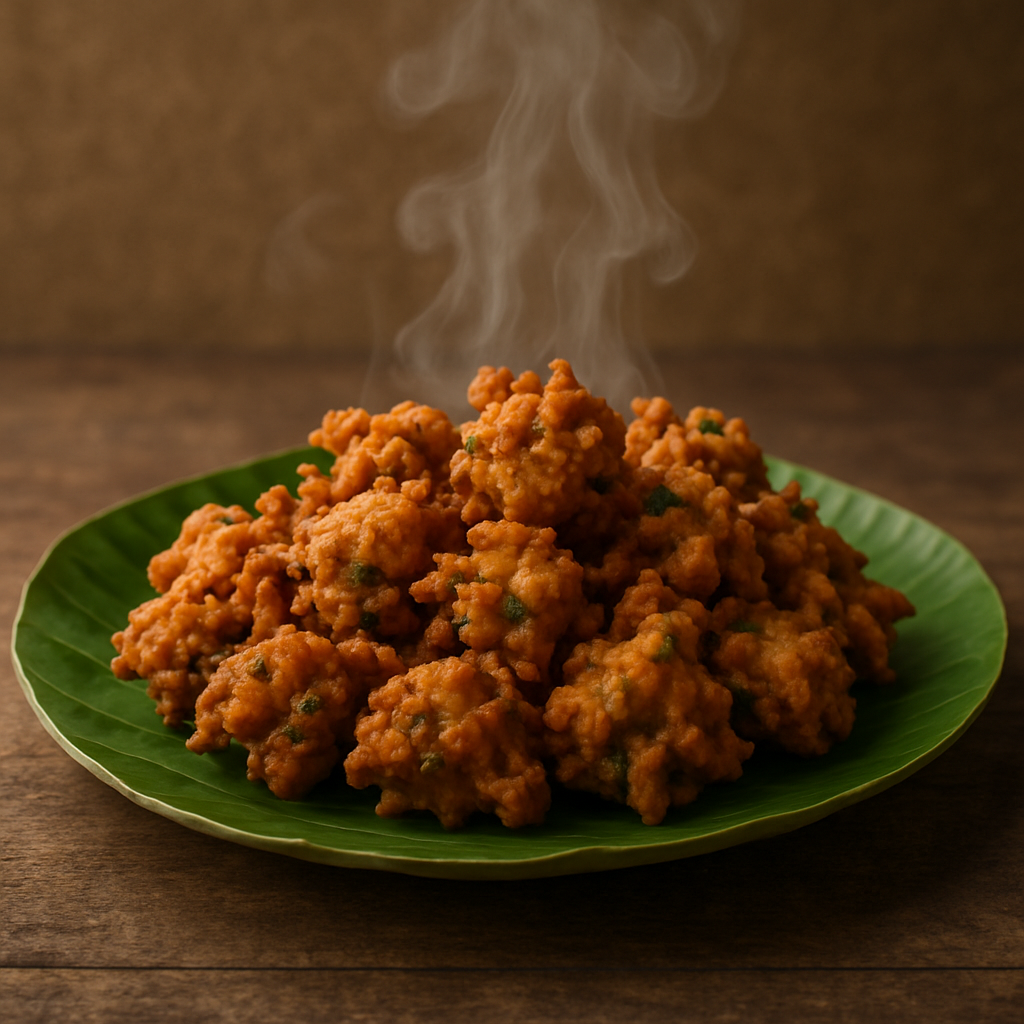
To confidently navigate these bustling food carts, follow these safe street food tips for foreigners:
- Follow the crowd: Choose stalls packed with local families.
- Seek the heat: Eat only piping hot, freshly cooked food straight from the fire.
- Skip raw garnishes: Avoid uncooked chutneys or salads that might be washed in tap water.
- Peel it yourself: Stick to thick-skinned fruits like bananas or oranges.
- Sanitize constantly: Always use hand sanitizer before taking your first bite.
Regional hygiene standards vary, but applying these golden rules universally keeps your stomach happy while exploring your new India vacation ideas.
Respecting the Sacred: Cultural Etiquette for Temples, Toilets, and Tipping
Stepping off the busy street into a serene temple requires a quick mindset shift. Treat these sacred spaces like a stranger’s home: leave your shoes at the door and cover your shoulders and knees. Observing these basic cultural etiquette and social norms for visitors ensures you avoid accidental disrespect and are welcomed warmly.
The “Right-Hand Rule” is another essential habit to adopt quickly. Because the left hand is traditionally reserved for bathroom hygiene, always use your right hand to eat your meals or pass money to vendors. During these daily exchanges, you will likely notice the “Indian Head Shake”—a gentle side-to-side wobble that generally means “okay” or “I understand,” rather than a firm no.
When navigating services, reliable India travel advice highlights the practice of baksheesh, a broad term encompassing both tipping and alms. While leaving a 10 percent tip is standard at sit-down restaurants, a small gesture of 10 to 20 rupees is perfect for bellboys or shoe minders. Keeping a stash of small bills handy allows you to tip appropriately without overpaying.
Preparing for traditional public restrooms adds a final layer of comfort to your India tourism experience. Many facilities feature squat toilets and rely on water rather than paper, making a personal supply of tissues mandatory.
Safety for Everyone: Practical Strategies for Solo Travel and Scam Prevention
Navigating a new city alone can feel intimidating, but establishing a “modesty shield” instantly boosts your security. By covering your shoulders and knees, you deflect unwanted attention and align respectfully with local norms. This wardrobe adjustment forms the foundation of effective solo female travel safety guidelines, empowering you to explore confidently.
Modern technology has completely transformed transit, taking the guesswork out of daily movement. Instead of haggling, downloading apps like Uber or Ola guarantees secure, trackable rides with upfront pricing. This provides a reliable safety net because your route is GPS-monitored and driver details are logged before you enter the vehicle.
A little situational awareness goes a long way in bypassing most local hustles. Learning to spot common tourist scams and how to avoid them keeps your trip stress-free. Watch out for these three misdirections:
- The ‘Closed Road’ scam: A driver falsely claims your hotel is blocked, redirecting you elsewhere.
- Fake Pre-paid Taxis: Airport touts intercepting you before the official taxi booth.
- ‘Free Tour’ carpet shops: Unsolicited neighborhood walks ending in high-pressure sales pitches.
Booking with trusted travel companies greatly reduces these risks. Premium operators like Taj Explorer Tour Packages provide professional drivers, verified guides, and personalized support throughout the trip.
Regional Deep Dives: North vs. South India and the Golden Triangle Route
Choosing a destination in a country the size of Europe feels overwhelming, but examining North versus South India itinerary differences simplifies everything. The North is historically dense, defined by energetic cities and bread-based meals like buttery naan. Conversely, the South offers a relaxed pace where tropical coastlines meet rice-based dishes, such as savory crepes called dosas. Pinpointing your preferred vibe helps filter endless India vacation ideas.
For grand historical monuments, the North showcases spectacular Mughal Architecture—stunning 16th-century buildings featuring symmetrical domes and intricate stonework. The most practical introduction is the Golden Triangle route for first-time visitors, a well-connected circuit minimizing transit stress. This classic path features three essential stops:
- Delhi: The fascinating entry point blending ancient ruins with modern life.
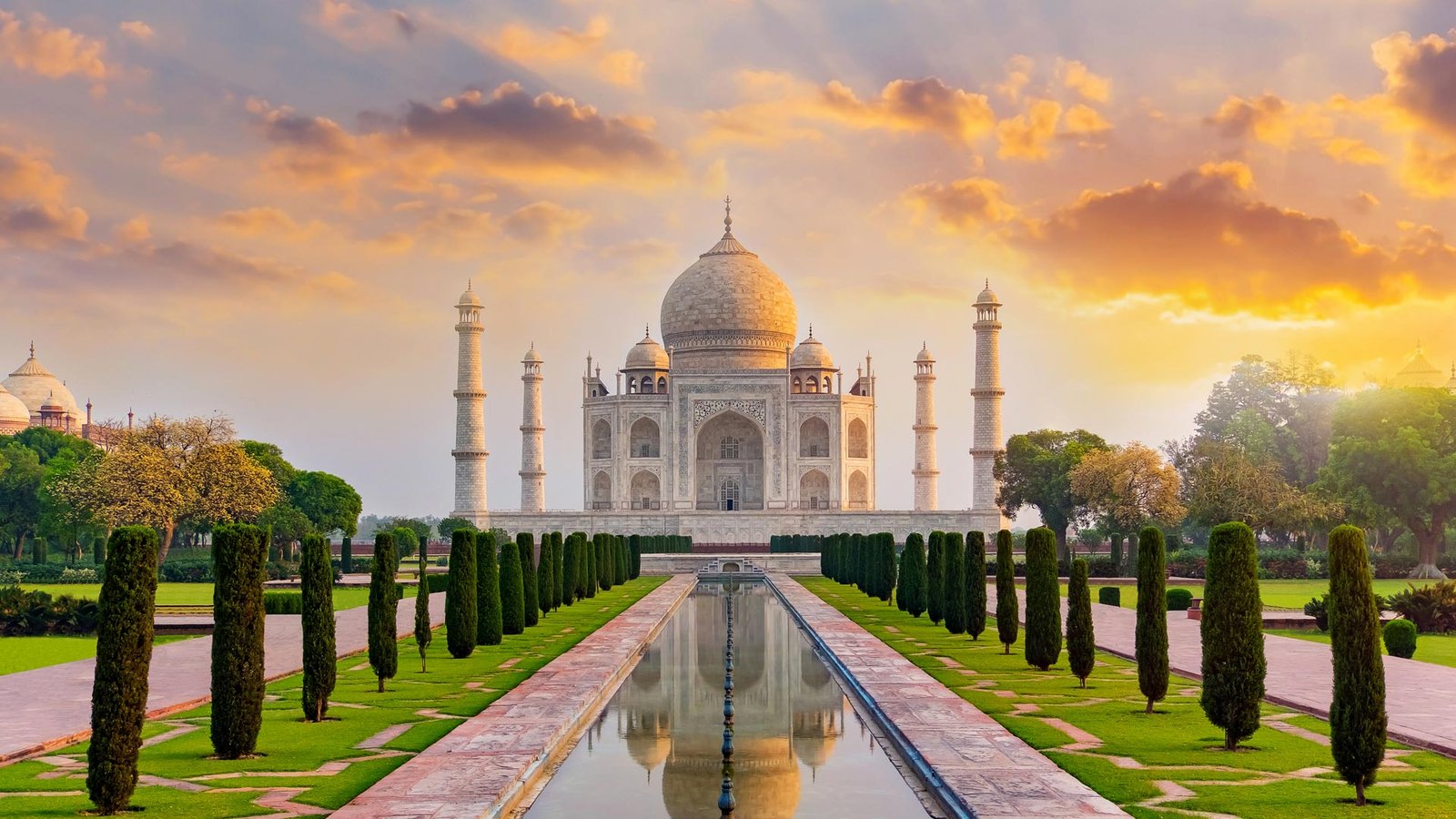
- Agra: The undisputed home of the iconic Taj Mahal.
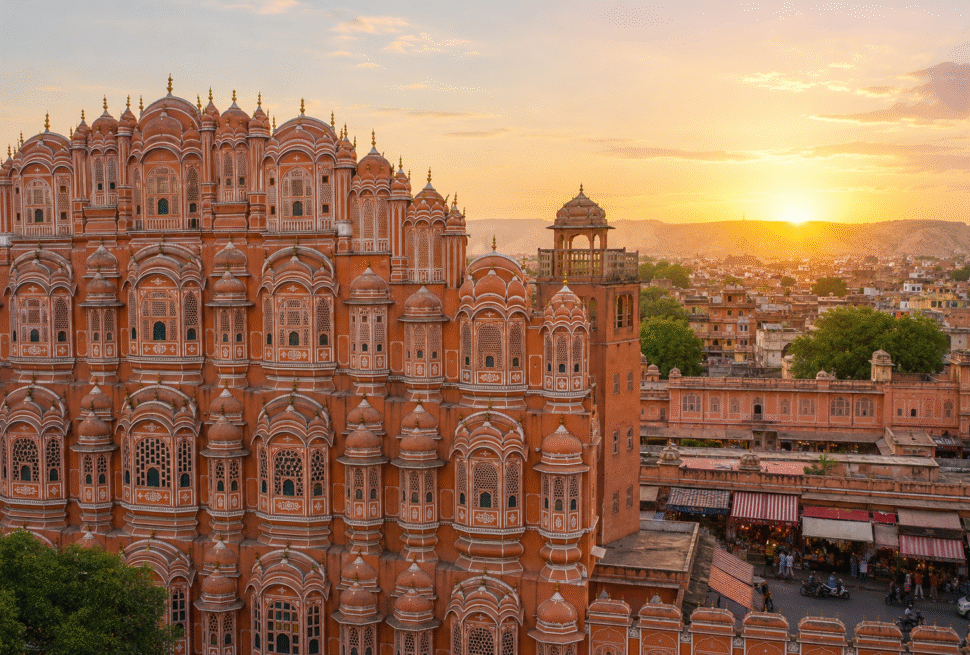
- Jaipur: The vibrant “Pink City,” famous for expansive desert forts.
This journey combines Mughal architecture, royal palaces, colorful bazaars, and UNESCO World Heritage Sites into one seamless itinerary.
Travelers wanting a deeper experience often expand their itinerary with spiritual or cultural extensions such as:
- Golden Triangle Tour with Varanasi
- Golden Triangle Tour with Haridwar and Rishikesh
- Golden Triangle Tour with Udaipur
For travelers seeking exclusivity and comfort, the 7 Day Luxury Golden Triangle Tour India offers premium accommodations, private transport, and expertly guided heritage experiences.
Luxury Travel in India: Why Personalized Tours Matter
India rewards travelers who plan carefully. A customized itinerary saves time, reduces stress, and creates more meaningful cultural experiences.
Luxury India tours focus on:
- Private guides
- Personalized sightseeing
- Heritage hotels
- Comfortable transportation
- Flexible schedules
Rather than rushing through monuments, travelers can enjoy immersive experiences including local cuisine, artisan workshops, palace stays, and spiritual destinations.
Whether you prefer overnight experiences like the Overnight Jaipur Tour or quick escapes through the Same Day Tour Packages collection, personalized planning creates a smoother and more memorable journey.
Transforming Your Trip: A Final Checklist for Your First 48 Hours in India
You no longer need to view traveling to India as a daunting puzzle. Instead of worrying about complex logistics, you now have the tools to step off the plane and transition smoothly from apprehension to exploration.
Put away the heavy India travel guide for a moment; your success now relies on adopting a flexible mindset. You are about to enter a beautiful, choreographed chaos. To manage your energy levels during those crucial early days, pace yourself rather than rushing to see everything at once.
To execute a flawless arrival and build confidence, focus solely on immediate essentials. Start with this ‘First 48 Hours’ Checklist to ground yourself:
- Cash withdrawal: Get Rupees at an airport ATM for tips and small purchases.
- SIM activation: Secure a local SIM card before leaving the terminal.
- App downloads: Have your ride-sharing and map apps downloaded and logged in.
- Water safety: Buy sealed bottled water immediately and stick to it exclusively.
- Rest: Schedule deliberate downtime at your hotel to adjust to the climate.
Once comfortable with these basics, venturing out becomes vastly easier. Each time you successfully hail a local ride or order a simple meal, you will build the momentum needed for truly visiting India.
Final Thoughts
Traveling to India is not simply about checking monuments off a list. It is about experiencing contrasts, discovering regional cultures, and connecting with centuries of living heritage.
From the marble beauty of the Taj Mahal to the colorful bazaars of Jaipur and the spiritual atmosphere of Varanasi, every journey feels layered with stories and emotion.
With thoughtful planning, trusted local expertise, and a flexible mindset, India transforms from an overwhelming destination into one of the world’s most unforgettable travel experiences.
For travelers seeking seamless luxury India tours, heritage journeys, and customized cultural experiences, Contact Taj Explorer to begin planning a personalized adventure across India.